


March 05, 2026
Invisalign Oral Hygiene: How to Protect Your TeethLearn how to maintain excellent oral hygiene while using Invisalign. Discover tips for cleaning aligners, preventing cavities, and keeping your teeth healthy.

March 05, 2026
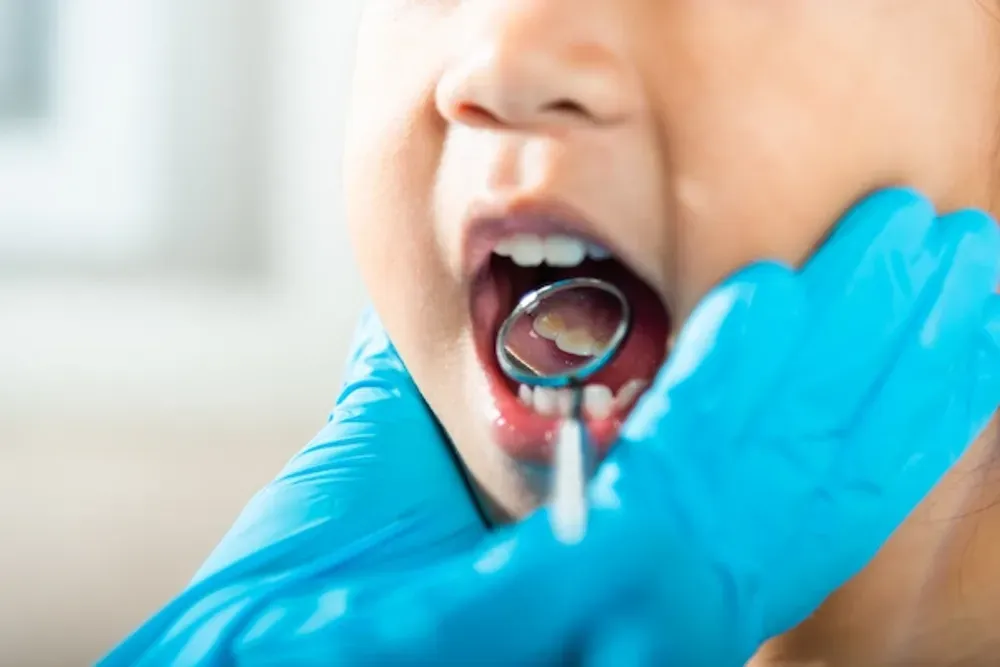
Many parents are surprised and even a little disheartened to discover that their child has cavities despite regular brushing. You might be wondering, “What did we do wrong?” The truth is, even with daily brushing, children’s teeth are more delicate and vulnerable to decay than adult teeth. It’s not just about brushing it’s about understanding how cavities form and what habits help prevent them.
Cavities, also known as tooth decay, are one of the most common childhood dental issues worldwide. Studies show that more than half of children experience at least one cavity by age six. But here’s the encouraging part: most cavities can be completely avoided with the right dental care, diet, and dental habits.
Children’s teeth are still developing, and their enamel the protective outer layer is thinner and softer than that of adults. This means sugar, bacteria, and acids can attack faster and cause damage more easily. Combine that with frequent snacking, sweet drinks, or inconsistent brushing, and you have the perfect environment for tooth decay to start.
A cavity is a small hole or area of damage in the tooth’s outer layer, called enamel. Cavities form when bacteria in the mouth feed on sugars and starches from food, producing acids that wear away the enamel over time. When plaque a sticky film of bacteria isn’t cleaned off properly, those acids can break down the tooth surface, leading to decay. Since baby teeth have thinner enamel than adult teeth, they are much more vulnerable to damage.
Children often rush through brushing or miss certain spots, especially the back teeth. Until around age 7 or 8, parents should help or supervise brushing to ensure all areas are cleaned properly.
Every time your child eats especially sugary or starchy snacks bacteria produce acid that attacks tooth enamel. Constant snacking means teeth are repeatedly exposed to acid, giving them less time to recover. Sticky foods like candies, dried fruits, or chips cling to teeth and fuel cavity-causing bacteria.
Baby teeth (primary teeth) are covered by a thinner layer of enamel, making them softer and easier to damage. This is why decay can spread quickly if not treated early.
Letting a child go to bed with a bottle or sippy cup filled with milk or juice can lead to “baby bottle tooth decay.” The sugars stay on the teeth overnight, feeding bacteria and causing early cavities.
Fluoride helps remineralize enamel and prevent decay. Some children don’t get enough if they use non-fluoride toothpaste or if the local water supply lacks fluoride. Dentists can apply fluoride varnish or recommend supplements when necessary.
Saliva is the mouth’s natural defense system it washes away food particles and neutralizes acids. Mouth breathing or certain medications can cause dry mouth, increasing the risk of cavities.
Cavity-causing bacteria can actually spread from parent to child through sharing utensils, cups, or kisses on the mouth. Keeping your own oral health in check helps protect your child too.
Look out for these early warning signs:
Sensitivity to sweets, cold, or heat
Discomfort while chewing
White, brown, or black spots on teeth
Persistent bad breath
Complaints of tooth pain
Even if your child doesn’t show symptoms, regular dental checkups are essential dentists can spot small cavities before they turn painful.
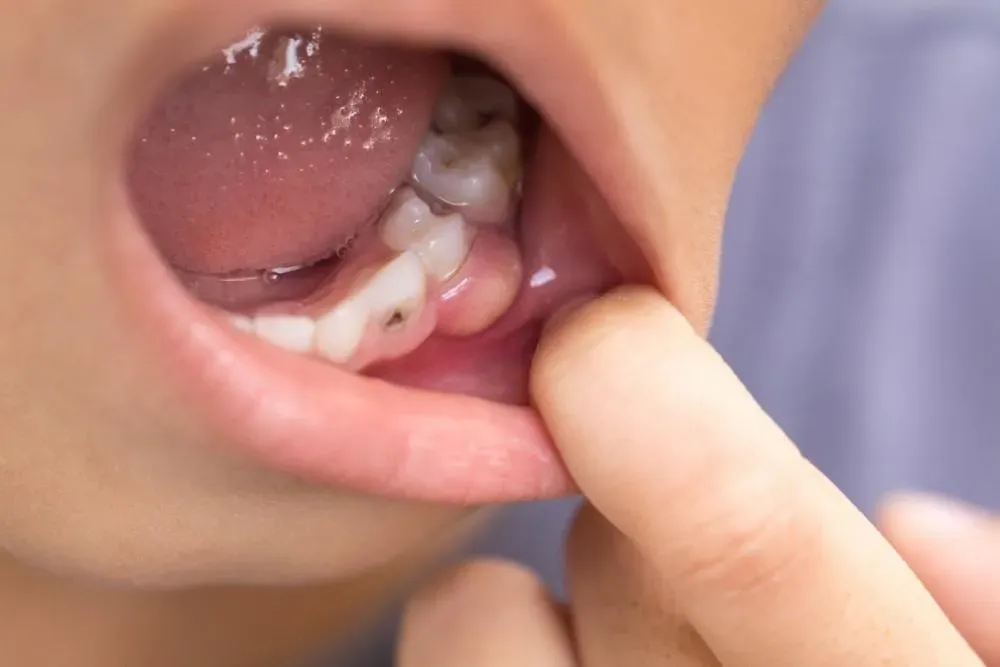
Preventing cavities is all about consistency and smart habits. Here’s how parents can help:
using fluoride toothpaste. Use a pea-sized amount for children over 3 and supervise brushing until they can do it well on their own.
once teeth start touching.
especially sticky or chewy ones.
instead of juice, soda, or flavored milk.
for professional cleanings and fluoride treatments.
A thin protective coating applied to molars that can prevent up to 80% of cavities in back teeth.
By practicing good oral hygiene yourself kids learn best by watching.
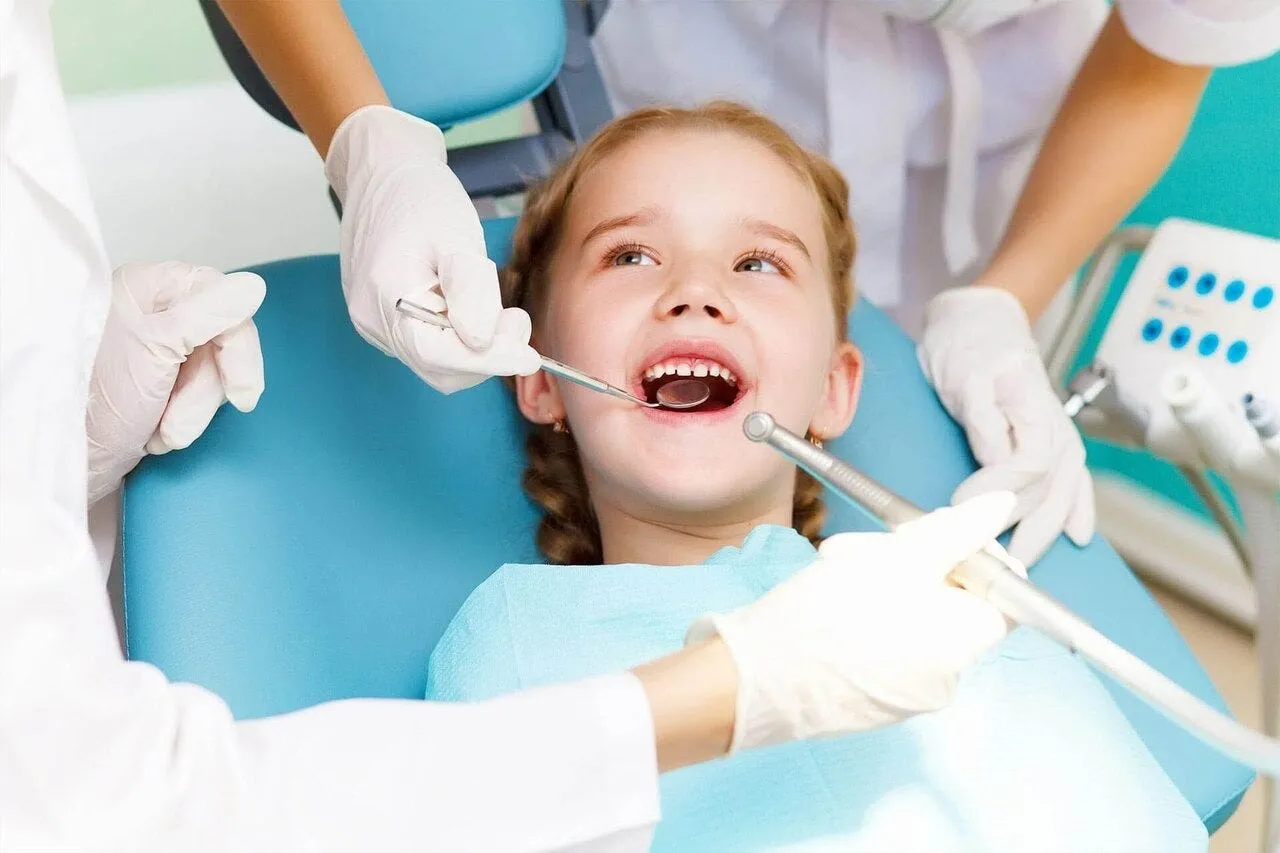
Routine dental visits are the cornerstone of your child’s oral health. Even with great brushing and flossing habits at home, some areas of the mouth are easy to miss especially for little ones who are still learning proper technique. Professional checkups ensure that your child’s teeth, gums, and bite are developing correctly and remain free from hidden problems.
During each visit, your child’s dentist will:
Professional cleanings remove buildup that daily brushing can’t reach, especially between teeth and near the gumline. This helps prevent cavities and gum inflammation.
Dentists can spot potential issues before they cause pain or require major treatment. Early detection often means easier, less invasive solutions.
These treatments strengthen enamel and shield teeth from bacteria, providing long-lasting protection against cavities especially on back molars where decay is most common.
Regular checkups allow the dentist to track how your child’s teeth are erupting and ensure there’s enough room for permanent teeth to come in properly.
Dentists and hygienists can teach brushing and flossing techniques, suggest tooth-friendly snacks, and recommend products suited for your child’s age.
Beyond prevention, these visits are a chance to build lifelong comfort and confidence in dental care. Children who grow up seeing the dentist regularly tend to experience less fear and anxiety about dental appointments later in life. The familiar setting, friendly faces, and positive reinforcement help transform dental care into something routine not scary.
Most experts recommend visiting the dentist every six months, though some children may need more frequent visits if they’re prone to cavities or wearing braces. Consistency is key skipping appointments can allow small problems to grow unnoticed.
Diet plays a big role in dental health. Encourage foods that help strengthen enamel and limit those that feed bacteria.
Dairy products like cheese, milk, and yogurt (rich in calcium and phosphates)
Leafy greens and crunchy veggies like spinach, carrots, and celery
Nuts and eggs, which support overall oral health
Plenty of water, especially fluoridated water
Sugary snacks, candies, juices, and sodas
Sticky foods that cling to teeth
Constant grazing instead, promote set meal and snack times to allow saliva to neutralize acids between meals.
While mild sensitivity or early discoloration may seem minor, certain symptoms should never be ignored. Cavities can worsen quickly in children because their enamel is thinner and less resistant to bacteria. Calling your dentist at the first sign of trouble helps protect your child’s comfort and their long-term oral health.
You should schedule an urgent dental visit if your child experiences:
Ongoing pain is a strong indicator that a cavity has reached the deeper layers of the tooth or irritated the nerve.
These are clear signs of decay that need professional attention before the damage spreads.
These symptoms indicate the infection may be spreading and require immediate care.
Even a small fracture can expose the tooth to bacteria, leading to rapid decay.
Persistent odor may suggest bacterial buildup or an infected tooth. Delaying treatment can allow decay to reach the tooth’s inner pulp, potentially leading to pain, infection, and the need for more complex procedures like a baby root canal. Untreated cavities can also interfere with speech development, chewing ability, and the alignment of permanent teeth as they erupt.
Prompt dental care not only stops the decay in its tracks but also helps your child feel better, eat comfortably, and smile with confidence again. Pediatric dentists specialize in gentle, child-friendly treatments so even urgent visits can be a positive experience for your child.
If you notice any unusual changes in your child’s teeth, gums, or breath, don’t wait for their next routine visit. A quick call to your dentist can make all the difference in keeping their growing smile healthy and strong.
Cavities in children are one of the most common dental issues but the encouraging truth is that they’re almost always preventable. With just a few consistent habits and some mindful choices, parents can make a lasting difference in their child’s oral health.
Teaching your child to brush and floss regularly, helping them understand the importance of good nutrition, and scheduling routine dental visits are the building blocks of a healthy, cavity-free smile. These early habits not only protect baby teeth but also set the stage for strong, healthy adult teeth later on.
Remember, prevention starts at home. Turn brushing into a fun daily activity, reward positive dental habits, and be a role model children often mirror what they see. Encourage water over sugary drinks, offer tooth-friendly snacks, and celebrate small victories like a clean checkup at the dentist.
March 05, 2026
Invisalign Oral Hygiene: How to Protect Your TeethLearn how to maintain excellent oral hygiene while using Invisalign. Discover tips for cleaning aligners, preventing cavities, and keeping your teeth healthy.
March 05, 2026
The Hidden Importance of Baby Teeth for Your Child’s HealthDiscover why baby teeth are crucial for your child’s oral development, speech, and overall health. Learn tips for care and early prevention of dental issues.
February 08, 2025

January 28, 2025

January 10, 2025

January 05, 2025

January 01, 2025
