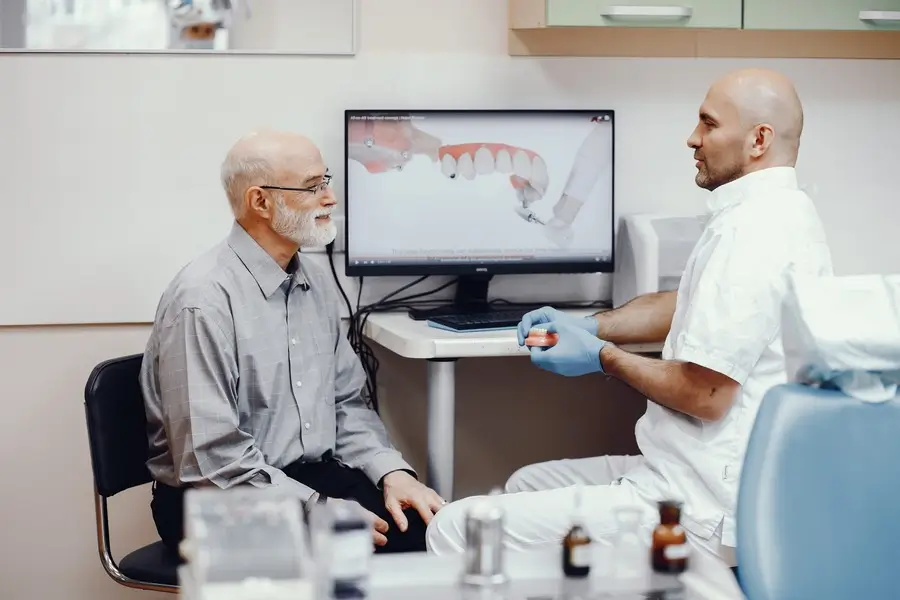
Many people feel anxious or nervous about visiting the dentist, while others may have special needs that make routine dental care more challenging. Dental fear is common, but it shouldn’t prevent anyone from receiving the care they need. At our clinic, we are committed to compassionate, patient-centered care, ensuring every visit is as comfortable and stress-free as possible. From gentle communication to specialized techniques and accommodations, our team works to create a positive dental experience for patients of all ages and needs. In this guide, we’ll share strategies, tools, and approaches designed to help patients feel at ease, reduce anxiety, and build confidence in their oral care journey.
Dental anxiety affects many people and can make even routine visits stressful. Common causes of dental anxiety include:
Worry about discomfort during procedures.
Discomfort with sights, sounds, or smells in the dental office.
Difficulty sitting still or maintaining certain positions.
Challenges understanding instructions or managing anxiety.
Heightened sensitivity to noise, light, or touch.
Understanding each patient’s unique situation and needs is crucial. A personalized approach helps the dental team provide care safely, compassionately, and effectively, creating an environment where patients feel respected, supported, and comfortable.

Beyond a welcoming environment, specific strategies during treatment can help anxious patients feel safe and relaxed:
Clear Communication and Education
Explain each step of the procedure in simple, reassuring language.
Use visual aids or demonstrations for patients with cognitive or developmental challenges.
Encourage questions and pause when the patient needs a moment, creating a sense of control and trust.
Relaxation and Distraction Methods
Breathing exercises or guided relaxation to calm nerves before and during treatment.
Distraction techniques
such as music, videos, or virtual reality for children or sensory-sensitive patients.
Encourage patients to bring comfort items like a favorite toy, blanket, or headphones.
Sedation and Pain Management Options
Topical numbing gels or local anesthesia to ensure pain-free procedures.
Nitrous oxide (“laughing gas”) or oral sedation for patients with severe anxiety or special needs, allowing safe and comfortable treatment.
Continuous monitoring and reassurance throughout the appointment to maintain comfort and safety.
Gradual Exposure and Positive Reinforcement
For highly anxious patients, start with short, simple visits to build familiarity and confidence. Use praise and small rewards to reinforce positive experiences, especially with children or first-time patients. By combining environmental, behavioral, and clinical strategies, we ensure that every patient regardless of anxiety level or special needs can receive safe, compassionate, and stress-free dental care.
Communication and Personalized Care
Clear and compassionate communication is key to reducing anxiety and building trust with patients and their caregivers. By tailoring our approach to each individual, we create a supportive environment where patients feel heard, informed, and in control.
Simple, Reassuring Language
Explain procedures in easy-to-understand terms, avoiding technical jargon that can be intimidating.
Encourage Questions
Invite patients and caregivers to ask questions or express concerns, ensuring they fully understand the treatment plan.
Active Participation
Involve patients in decisions about their care, allowing them to feel empowered and respected.
Individualized Approach
Recognize each patient’s unique needs from sensory sensitivities to developmental considerations and adjust communication and techniques accordingly.
Techniques to Reduce Anxiety During Treatment
Managing anxiety during dental procedures is essential for a comfortable, safe, and positive experience. Our clinic uses a variety of evidence-based strategies:
Gradual Desensitization
Introduce the patient to the clinic environment, dental chair, and instruments slowly and gently.
Start with short, non-invasive visits to build familiarity and reduce fear before more complex treatments.
Sedation Options (if necessary)
Use nitrous oxide (“laughing gas”), oral sedation, or other safe methods for patients with high anxiety or special needs.
Continuous monitoring ensures patient safety while keeping them relaxed and comfortable throughout the procedure.
Distraction and Comfort Tools
Offer headphones, music, or visual aids to divert attention and reduce stress. Allow personal comfort items from home, such as a favorite toy, blanket, or stuffed animal, especially for children or patients with sensory sensitivities. By combining gradual exposure, sedation when appropriate, and comforting distractions, our team ensures that even the most anxious patients can experience gentle, stress-free dental care.
Special Accommodations for Patients with Special Needs
Providing accessible and personalized care is essential for patients with physical, developmental, or cognitive challenges. Our clinic ensures that every patient receives treatment in a safe, comfortable, and supportive environment:
Accessibility
Wheelchair-friendly facilities, ramps, and adjustable dental chairs to accommodate mobility needs.
Sensory Support
Reduced lighting, quiet spaces, and minimal sensory stimuli for patients sensitive to sounds, lights, or textures.
Extended Appointment Times
Allowing extra time prevents rushing, reduces stress, and ensures procedures are completed safely and comfortably.
Caregiver Collaboration
Work closely with parents, guardians, or caregivers to explain procedures, provide oral care instructions, and plan follow-up visits.
Building Trust and Long-Term Comfort
Emphasize consistency: seeing the same dental team builds familiarity.
Reward positive experiences to encourage regular visits.
Educate patients and families on home care to reduce future complications.
Additional Guidance for Patients with Severe Dental Anxiety
For patients struggling with intense dental fear, taking proactive steps can make a huge difference in oral health and overall well-being:
Early Intervention is Key
Delaying care can lead to more complex dental problems that are harder to treat and may increase anxiety further. Seeking help as soon as anxiety is recognized helps prevent painful or extensive procedures in the future.
Gradual Exposure and Familiarization
Begin with short, non-invasive visits to familiarize patients with the clinic, staff, and equipment.
Gradually introduce more complex procedures at a comfortable pace, building confidence over time.
Coping Strategies and Support
Teach relaxation techniques such as deep breathing or visualization.
Allow patients to bring comfort items like stress balls, headphones, or blankets.
Encourage a support person to accompany the patient if needed.
Sedation and Specialized Care Options
Mild sedation (nitrous oxide or oral sedation) can help patients relax while remaining conscious and responsive.
For extreme cases, collaboration with behavioral specialists or anesthesiologists ensures safe, customized treatment.
Positive Reinforcement and Follow-Up
Celebrate progress, no matter how small, to reinforce positive experiences.
Schedule follow-up visits to monitor oral health and gradually reduce anxiety over time.
By combining early intervention, gradual exposure, coping strategies, and professional support, even patients with severe dental anxiety can maintain a healthy smile without fear or stress.
Expanded Conclusion with Practical Tips
Dental visits can feel overwhelming for patients with anxiety or special needs, but with the right preparation and support, they can become comfortable, safe, and even positive experiences. Our clinic focuses on compassion, individualized care, and patient empowerment, ensuring every visit builds trust and confidence. To make visits even smoother, consider these practical tips for patients and caregivers:
Preparation
Talk through the procedure beforehand, show the patient pictures or videos of what to expect, and allow questions.
Comfort Tools
Bring favorite items like headphones, blankets, or stress toys to reduce sensory stress.
Relaxation Strategies
Practice deep breathing, visualization, or guided meditation before and during the appointment.
Gradual Exposure
Start with short, non-invasive visits to build familiarity before more complex treatments.
Post-Visit Reinforcement
Praise the patient, celebrate their progress, and review positive experiences to reduce anxiety for future visits. By combining compassionate care, patient-centered strategies, and these practical tips, patients can maintain their oral health without fear, and caregivers can feel confident in supporting their loved one.
Call to Action
If you or your loved one struggles with dental anxiety or special needs, contact our caring team today we’ll make every visit comfortable, supportive, and empowering, and provide personalized guidance to ensure stress-free dental care.
Techniques to Reduce Anxiety During Treatment

Managing anxiety during dental procedures is essential for a comfortable, safe, and positive experience. Our clinic employs a combination of strategies tailored to each patient:
Gradual Desensitization
Introduce patients to the clinic environment, dental chair, and instruments slowly and gently. Begin with short, non-invasive visits to build familiarity and confidence before moving on to more complex procedures. Allow patients to explore equipment and ask questions, helping them feel in control.
Sedation Options (if necessary)
Nitrous oxide (“laughing gas”) and oral sedation help patients relax while remaining responsive. Sedation is carefully monitored throughout the procedure to ensure maximum safety and comfort. These methods are particularly helpful for patients with high anxiety, sensory sensitivities, or special needs.
Distraction Techniques
Offer headphones, music, or videos to divert attention during treatment. Visual aids or tablets can help children and sensitive patients stay calm. Encourage patients to focus on relaxation exercises, such as deep breathing or guided imagery.
Comfort Items and Personalization
Allow patients to bring favorite items from home, like stuffed animals, blankets, or stress balls. Adjust lighting, sounds, and chair positioning to minimize sensory triggers. Personalize communication and interactions to each patient’s preferences and comfort level.
Positive Reinforcement
Praise patients for cooperation, even during small steps, to build confidence and reduce fear for future visits. Provide gentle feedback and reassurance throughout treatment. By combining gradual exposure, sedation when needed, distraction, personalized comfort, and positive reinforcement, our clinic ensures that even the most anxious patients can experience stress-free, effective dental care.
Conclusion
Providing dental care for patients with special needs or anxiety requires patience, empathy, and a personalized approach. By using gentle techniques, clear communication, and a calm environment, dentists can create a comfortable experience that builds trust and reduces fear. Specialized tools, sedation options, and flexible appointment styles further support each patient’s unique needs. With the right care, every individual can achieve a healthy smile without stress or discomfort.