


April 19, 2026
How Fluoride Protects Your Child’s Teeth – Benefits & TipsDiscover how fluoride strengthens your child’s teeth, prevents cavities, and promotes long-term oral health. Learn safe ways to use fluoride daily.

April 19, 2026
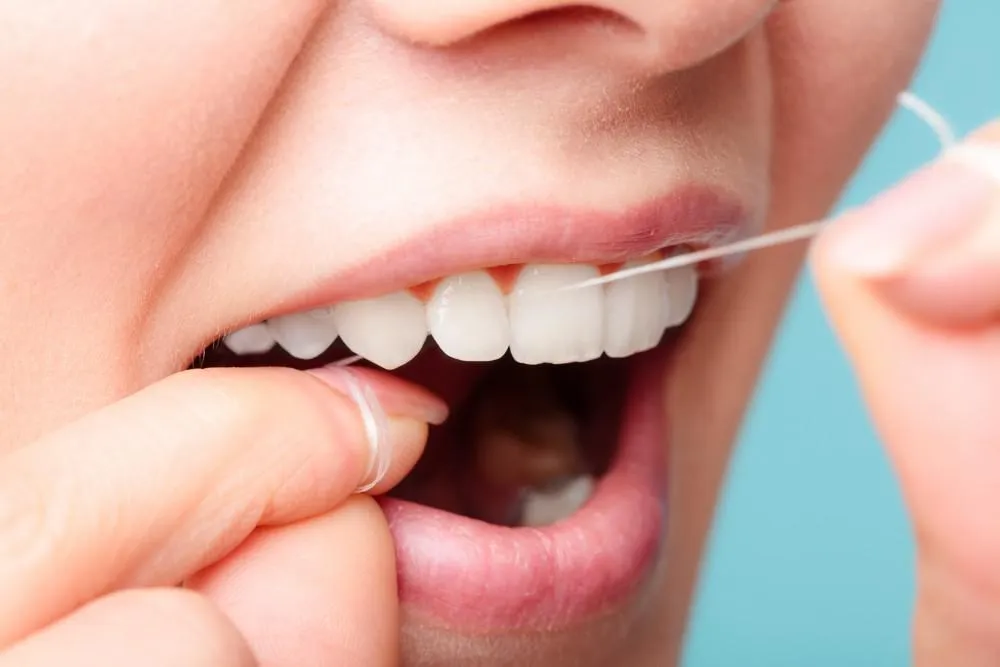
When’s the best time to floss your teeth before bed, after breakfast, or whenever you remember? It’s a question many people ask but few get a clear answer to. Flossing is one of those essential habits everyone knows is important, yet many of us skip it or do it inconsistently. While brushing cleans the surfaces of your teeth, flossing tackles the hidden areas between them places where toothbrush bristles can’t reach. But is it better to floss first thing in the morning or right before you go to sleep?
In this article, we’ll break down the pros and cons of morning vs. night flossing, explore what dentists really recommend, and share practical tips to make flossing an easy, everyday habit. Whether you’re trying to perfect your oral hygiene routine or just want fresher breath and healthier gums, this guide will help you understand what truly matters most: consistency over timing.
Flossing is more than just an extra step after brushing it’s a critical part of maintaining healthy teeth and gums. Your toothbrush only reaches about 60% of your tooth surfaces, leaving the tight spaces between teeth vulnerable to plaque buildup and bacteria. Over time, that buildup can lead to cavities, gum inflammation, and even tooth loss.
Here’s why flossing should never be skipped:
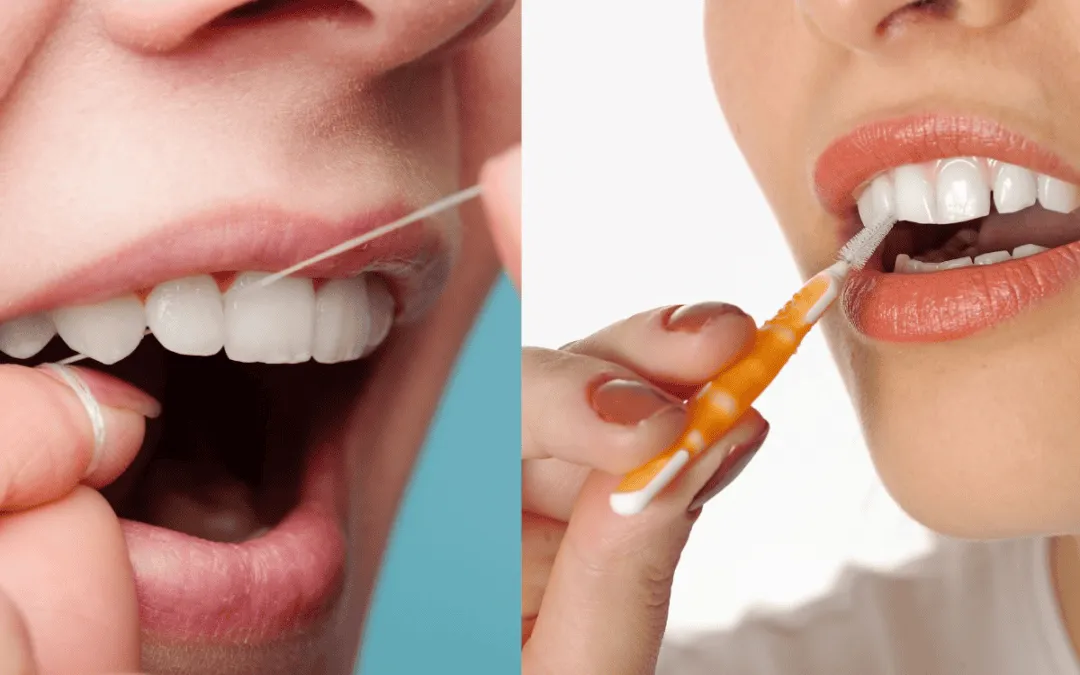
Even the most advanced toothbrush can’t reach between teeth or under the gumline where tiny food particles and plaque hide. Daily flossing cleans these hard-to-reach areas, reducing the risk of decay between teeth.
It Reduces Bad Breath
Bad breath often comes from trapped food and bacteria that release unpleasant odors. Flossing clears these areas, helping your mouth feel fresher and cleaner.
It Prevents Gum Disease
Plaque that isn’t removed hardens into tartar, which irritates the gums and leads to gingivitis the earliest stage of gum disease. Regular flossing prevents this buildup and keeps gums firm and healthy.
It Protects Your Whole Body
Research links gum disease to several systemic conditions, including heart disease and diabetes. Healthy gums support not just oral health, but your overall well-being.
Simply put, flossing once a day can mean the difference between healthy gums and long-term dental problems. The key isn’t just when you floss it’s that you floss daily.
Morning flossing can be a refreshing way to start your day but like any habit, it has its pros and cons.
Freshens Breath Before the Day Starts
Morning breath is common because bacteria multiply overnight. Flossing in the morning removes residual plaque and bacteria, giving you a fresher start to the day.
Removes Overnight Plaque
Even if you brushed before bed, bacteria continue working while you sleep. Morning flossing clears the buildup that forms overnight.
Feels Cleaner After Breakfast
If you floss after breakfast, it removes food particles before they sit between your teeth all day. This can make your mouth feel cleaner and reduce mid-day bad breath.
Ideal for Night Owls
If you’re someone who’s too tired to floss before bed, doing it in the morning ensures you don’t skip the habit altogether.
Rushed Routine
Mornings are often hectic, and flossing can be the first thing skipped when you’re running late.
Bacteria Build Up During the Day
Even if you floss in the morning, bacteria and food accumulate throughout the day. If you don’t floss at night, that buildup stays in your mouth while you sleep.
Less Effective for Preventing Overnight Decay
Since bacterial activity increases during sleep, morning flossing alone might not provide full protection against gum inflammation or overnight plaque hardening.
Flossing at Night: Benefits and Drawbacks
Nighttime flossing tends to be the gold standard according to most dental professionals and for good reason.
Removes the Day’s Buildup
Every bite of food and sip of drink leaves residue behind. Flossing at night removes the debris that brushing can’t reach, preventing bacteria from feeding on it overnight.
Prevents Bacterial Growth While You Sleep
Your mouth produces less saliva at night, meaning bacteria have a better environment to grow. Flossing before bed reduces this bacterial load, protecting your teeth and gums.
Reduces Risk of Gum Disease
Removing plaque before sleep helps prevent gingivitis and tartar formation. This makes nighttime flossing especially important for people with sensitive gums.
Fights Morning Bad Breath
Fewer bacteria at night mean fresher breath in the morning a big plus for anyone who struggles with morning odor.
Complements Bedtime Brushing
When you floss first, you remove debris that brushing might otherwise miss. Then, brushing allows the fluoride in toothpaste to reach all surfaces effectively.
End-of-Day Fatigue
Many people skip flossing at night simply because they’re tired. It’s easy to say, “I’ll do it tomorrow” after a long day.
Inconsistency
If you only floss when you remember, your results won’t be as effective. For flossing to truly work, it must be part of a consistent nightly routine.
When you ask dentists about the “best” time to floss, most agree: nighttime is slightly better because it clears the day’s buildup before you sleep. Your mouth naturally dries out overnight, creating the perfect environment for bacteria to thrive if food and plaque remain. However, dental experts also emphasize one major truth the best time to floss is the time you’ll actually do it every day. If you’re more likely to skip flossing at night, then morning flossing is far better than none at all.
Some additional dentist-backed recommendations include:
Floss before brushing
This sequence helps remove debris so fluoride from your toothpaste can reach between teeth more effectively.
Be gentle
Aggressive flossing can damage gums. Always use a slow, sawing motion instead of snapping the floss down.
Floss once daily
Flossing more than once isn’t harmful, but once a day is sufficient for most people.
In short: nighttime flossing is ideal, but daily consistency matters most.
Proper technique makes all the difference between effective flossing and just going through the motions. Here’s how to do it right:
Use Enough Floss
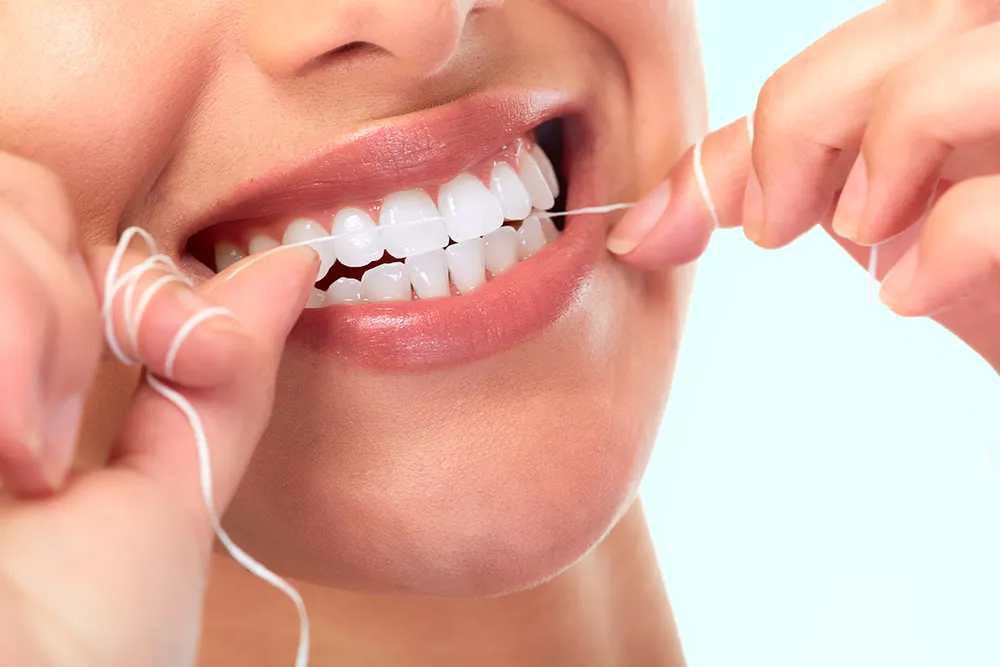
Cut about 18 inches of dental floss. Wrap most of it around your middle fingers, leaving about two inches to work with.
Hold the Floss Correctly
Use your thumbs and index fingers to guide the floss gently between your teeth.
Curve in a “C” Shape
Curve the floss around each tooth in a “C” shape. Slide it gently under the gumline and move it up and down along the tooth’s surface.
Use a Clean Section for Each Tooth
After each tooth, unwind a new section of floss to avoid transferring bacteria.
Don’t Snap the Floss
Snapping can hurt your gums. Be gentle and controlled.
No matter the method, the goal is to remove plaque effectively while keeping gums healthy.
How do you know if your flossing routine needs improvement? Here are some common red flags:
Bleeding Gums
Many people stop flossing when their gums bleed but this is actually a sign you need to floss more often. Bleeding indicates inflammation caused by plaque buildup. Within a week of daily flossing, bleeding usually subsides.
Bad Breath That Won’t Go Away
Persistent bad breath often means bacteria and food debris are trapped between teeth. Regular flossing helps eliminate the source of odor.
Plaque or Food Between Teeth
If you frequently feel something stuck between your teeth or notice visible plaque, you’re likely not flossing effectively.
Tender or Red Gums
Healthy gums should be pink and firm. Tenderness or redness indicates inflammation that can worsen without proper cleaning.
If these symptoms persist even after a week of consistent flossing, schedule a dental visit. A professional cleaning may be needed to remove hardened tartar.
Making Flossing a Habit
Turning flossing into a lifelong habit doesn’t happen overnight, but with a few practical strategies, it can become second nature.
Link It to an Existing Habit
Attach flossing to a routine you already do like brushing your teeth, skincare, or making morning coffee. The key is consistency through association.
Out of sight, out of mind. Keep floss on the bathroom counter or near your toothbrush as a visual reminder.
Use Technology
Set daily reminders on your phone or use habit-tracking apps. Many modern electric toothbrushes also have timers and reminders to floss.
Reward Yourself
Set small goals such as flossing daily for a week and reward yourself when you achieve them. This positive reinforcement strengthens the habit.
Choose the Right Floss
If you dislike traditional string floss, try different textures, flavors, or floss picks. Finding one that feels comfortable can make all the difference.
Consistency is more important than perfection even if you miss a day, get back on track the next. Over time, flossing will feel as automatic as brushing.
Myth 1: If my gums bleed, I should stop flossing
False. Bleeding is a sign of gum inflammation, not damage. It usually stops after a few days of consistent, gentle flossing.
Myth 2: Flossing once a week is enough
False. Plaque forms within 24 hours, so flossing once a week allows bacteria to build up, increasing the risk of cavities and gum disease. Daily flossing is best.
Myth 3: Mouthwash can replace flossing
False. While mouthwash freshens breath and kills surface bacteria, it can’t remove food or plaque trapped between teeth. Only flossing can physically dislodge debris in those tight spaces.
Myth 4: I only need to floss if I have food stuck
False. Even if nothing feels stuck, microscopic plaque still builds up between teeth. Flossing daily prevents this invisible damage.
Myth 5: Flossing hurts my gums
False. Flossing should not hurt when done correctly. If it does, you may be flossing too aggressively or using the wrong technique. Gentle, slow motions are key.
So, when is the best time to floss morning or night? The truth is that both have benefits, but nighttime flossing edges out slightly in effectiveness since it removes the day’s buildup before your mouth rests overnight. Still, the real secret to healthier gums and fresher breath isn’t timing it’s consistency. Whether you floss before breakfast, after dinner, or right before bed, what matters most is making it a daily habit. Consistent flossing prevents plaque, keeps your gums firm and pink, and ensures your smile stays healthy for years to come.
April 19, 2026
How Fluoride Protects Your Child’s Teeth – Benefits & TipsDiscover how fluoride strengthens your child’s teeth, prevents cavities, and promotes long-term oral health. Learn safe ways to use fluoride daily.
April 19, 2026
Professional Teeth Whitening: Key Benefits of a Brighter, Whiter SmileProfessional teeth whitening offers fast, safe, and long-lasting results that instantly enhance your smile. Learn the top benefits of choosing in-office or dentist-supervised whitening and why it’s more effective than over-the-counter options.
February 08, 2025

January 28, 2025

January 10, 2025

January 05, 2025

January 01, 2025
