


April 20, 2026
How Long Does a Smile Makeover Take? Timeline & What to ExpectFind out how long a smile makeover takes depending on treatments like veneers, whitening, crowns, or aligners. Learn what affects the timeline and what to expect.

April 20, 2026
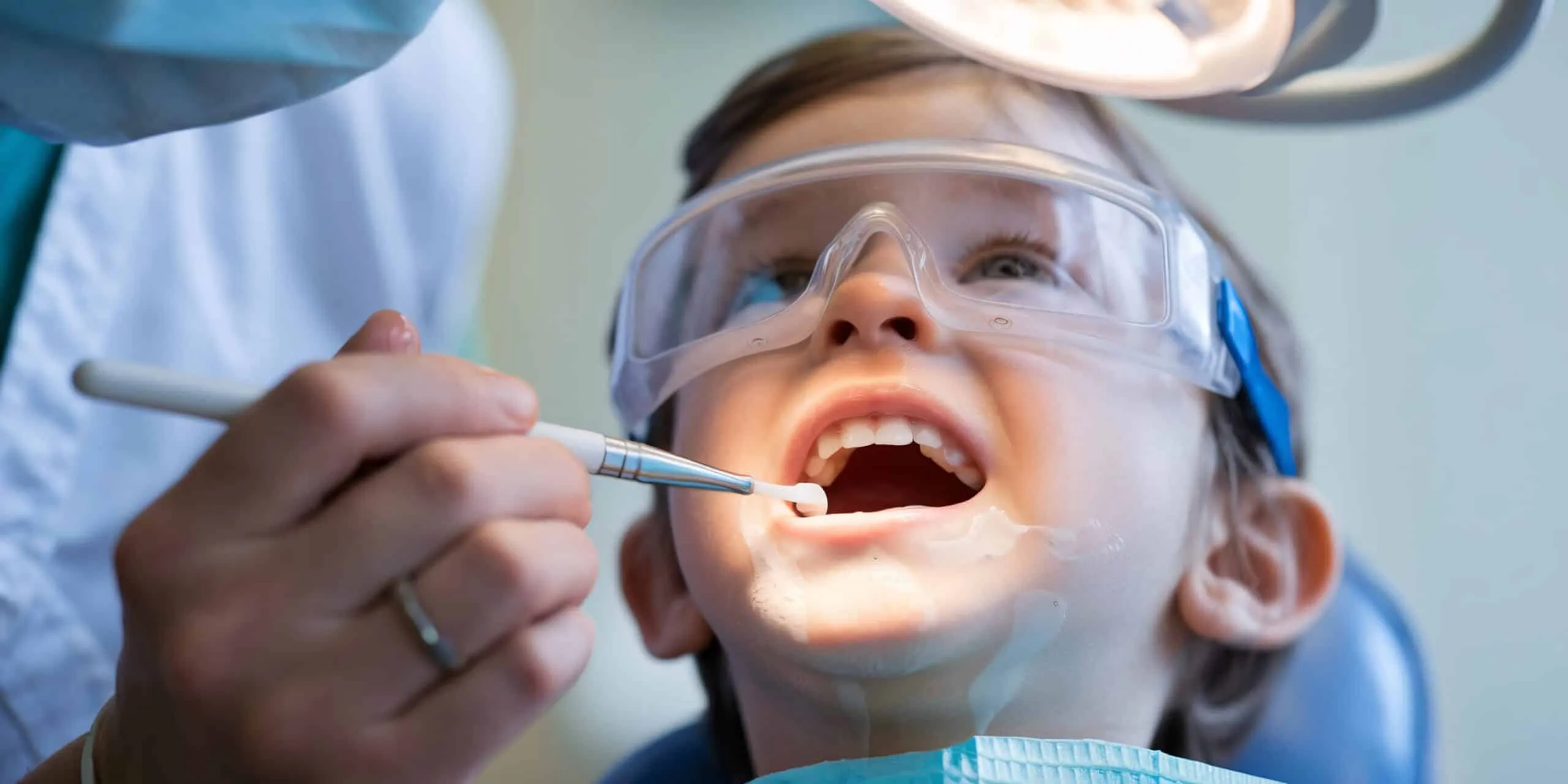
Dental health is crucial for children, as healthy teeth support proper chewing, speech, and overall wellbeing. Early preventive care can save children from painful cavities and costly dental treatments. Fluoride is a naturally occurring mineral proven to protect teeth and prevent decay. This article will explore how fluoride works, its benefits, sources, and safe usage for children. Parents will learn practical tips to incorporate fluoride into daily routines. By understanding fluoride, families can ensure their children develop strong, healthy teeth from an early age.
Fluoride is a natural mineral found in water, soil, and some foods. It plays a key role in maintaining oral health by strengthening tooth enamel. Tooth enamel is the protective outer layer of teeth that can be weakened by acids from food and bacteria. Fluoride can prevent decay, repair early damage, and make teeth more resistant to acids. Dentists often use fluoride in toothpaste, mouth rinses, and professional treatments. Understanding what fluoride is helps parents make informed decisions about their child’s dental care.
Fluoride helps remineralize weakened enamel, making it stronger and more resistant to decay. When acids from bacteria attack teeth, fluoride replaces lost minerals and repairs damage. Strong enamel is especially important for children, whose teeth are still developing. Regular exposure to fluoride ensures enamel remains tough against cavities. Toothpaste, fluoridated water, and professional treatments all contribute to this strengthening process. Strengthened enamel forms the first line of defense in protecting children’s teeth.
Fluoride also combats harmful oral bacteria that produce acids and cause tooth decay. By reducing acid production, fluoride decreases the risk of cavities and gum problems. Regular brushing with fluoride toothpaste and using fluoridated water enhances this protective effect. Children are particularly vulnerable to bacterial attacks due to their developing teeth. Fluoride acts as a shield against bacteria, maintaining a healthier mouth. Combining fluoride use with good oral hygiene maximizes its effectiveness.
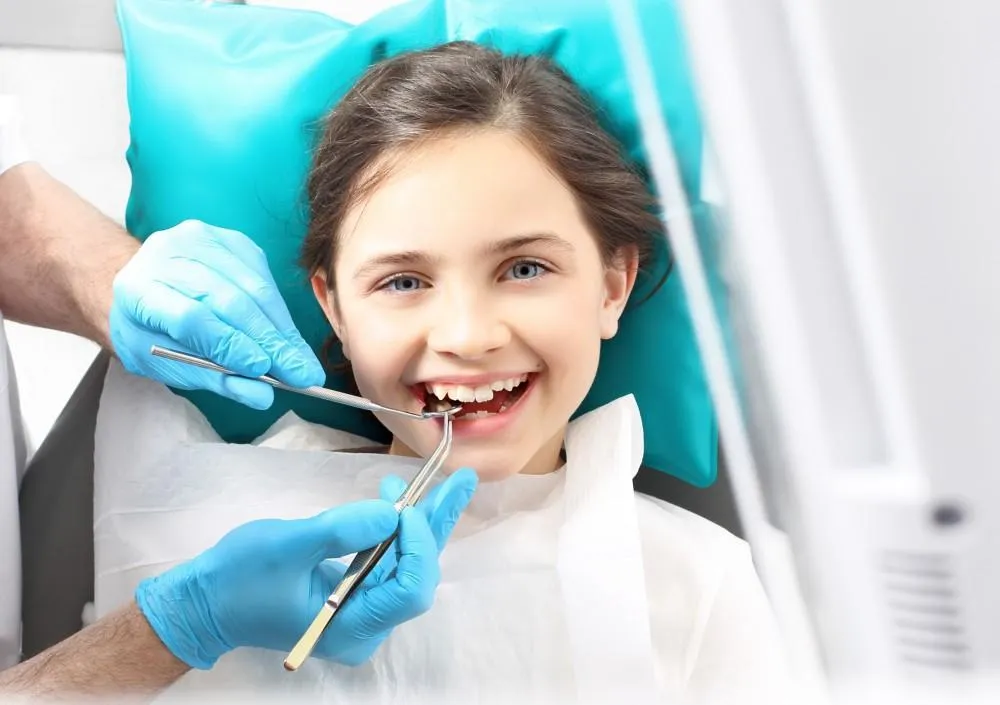
One of fluoride’s remarkable benefits is repairing early-stage tooth decay. Minor decay, if caught early, can be reversed through remineralization with fluoride. This process helps prevent cavities from forming and reduces the need for fillings. Children benefit the most, as their enamel is still forming and more receptive to repair. Using fluoride toothpaste and professional treatments ensures early damage is fixed promptly. Reversing early decay preserves long-term dental health and prevents discomfort.
Toothpaste is the most common source of fluoride for children. Age-appropriate fluoride toothpaste ensures safety and effectiveness. Young children should use a smear, while older children use a pea-sized amount. Supervision is crucial to prevent swallowing excess toothpaste. Regular brushing with fluoride toothpaste twice daily strengthens enamel and prevents cavities. Choosing the right fluoride toothpaste is a simple yet powerful step in oral care.
Many communities add fluoride to tap water to protect teeth. Drinking fluoridated water reduces the risk of cavities and supports dental health. It is especially beneficial for children who may miss brushing occasionally. Water fluoridation is safe, cost-effective, and reaches everyone in the community. Encouraging children to drink tap water can reinforce fluoride protection. It works continuously to strengthen enamel even outside of brushing.
Dentists apply fluoride varnishes and gels to provide concentrated protection. These treatments are quick, painless, and highly effective in preventing cavities. They are especially recommended for children at high risk of tooth decay. Professional fluoride strengthens enamel beyond what toothpaste alone can achieve. Treatments are usually scheduled every 3–6 months depending on risk. They provide an extra layer of defense for developing teeth.
Supplements like tablets or drops may be prescribed for children in areas without fluoridated water. These should only be used under a dentist’s guidance to avoid overexposure. Supplements help maintain consistent fluoride intake for cavity prevention. Dosage depends on the child’s age and fluoride levels in the local water supply. They ensure children still receive the benefits of fluoride even without tap water exposure. Proper use guarantees safety and effective dental protection.
Fluoride is safe for children when used in recommended amounts. Overuse, especially in very young children, can cause mild dental fluorosis (white spots on teeth). Following age-appropriate guidelines for toothpaste, water, and supplements is essential. Professional advice helps parents avoid excessive fluoride intake. Supervised use ensures children receive maximum benefits without risks. Safe fluoride practices protect teeth while promoting overall oral health.
Using fluoride consistently is the foundation of protecting teeth. Brushing twice daily with a fluoride toothpaste ensures that the teeth receive a constant supply of fluoride, which strengthens enamel and helps prevent decay. For young children, supervision is essential to make sure they are using the right amount of toothpaste and brushing properly. Consistent fluoride use builds a protective layer that reduces the risk of cavities over time.
Fluoridated water is a simple yet highly effective way to strengthen teeth from within. Encourage children and adults to drink tap water where fluoride is added, as it helps remineralize enamel and prevents acid damage caused by bacteria. Even small, regular amounts contribute significantly to dental health. For families relying on bottled or filtered water, check the fluoride content and consider supplements only if recommended by a dentist.
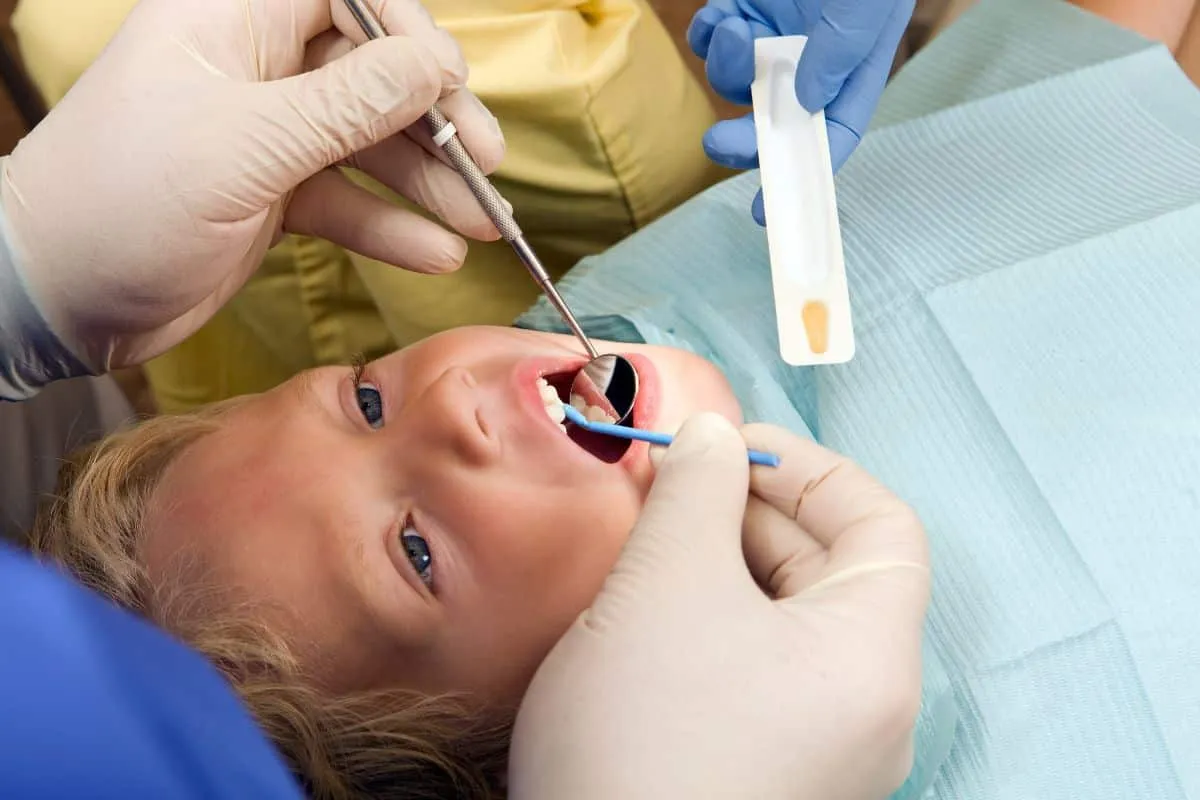
Professional fluoride treatments during dental visits offer higher concentrations than toothpaste or water. Dentists can apply fluoride varnishes or gels that provide extra protection, especially for children and people prone to cavities. Regular check-ups also allow early detection of decay, ensuring fluoride treatments work most effectively. Establishing routine dental visits helps maintain optimal oral health and reinforces fluoride benefits.
Sugary snacks and drinks feed harmful bacteria that produce acids attacking tooth enamel. Even with fluoride protection, frequent sugar consumption can overwhelm enamel’s natural defense. Limiting candies, sodas, and sugary juices reduces acid attacks and maximizes the benefits of fluoride. Encourage healthier alternatives like water, fruits, and vegetables to keep teeth strong.
For older children and adults at higher risk of cavities, fluoride mouth rinses can provide additional protection. These rinses are usually used once daily and help reach areas that brushing may miss. It’s important to follow a dentist’s recommendations regarding frequency and age appropriateness, as overuse can lead to dental fluorosis in children.
Fluoride works best when combined with thorough oral hygiene practices. Regular brushing, flossing, and cleaning the tongue remove plaque and food particles, allowing fluoride to act directly on tooth surfaces. The combination of mechanical cleaning and fluoride’s remineralizing power creates the most effective defense against decay and strengthens teeth for the long term.
Some parents worry fluoride may be harmful or toxic, but evidence shows it is safe at recommended levels. Fluoride does not weaken teeth; instead, it strengthens enamel and prevents cavities. Myths about supplements and toothpaste overuse can be addressed with proper guidance. Scientific studies consistently support fluoride’s safety and effectiveness. Educating parents helps dispel misinformation and encourages responsible use. Awareness ensures children receive the right protection without unnecessary fear.
Fluoride is essential in protecting children’s teeth from cavities and decay. It strengthens enamel, fights bacteria, and reverses early damage. Safe sources include toothpaste, water, professional treatments, and supplements when needed. Proper use ensures maximum benefit while avoiding risks like dental fluorosis. Parents can support their child’s dental health by incorporating fluoride and maintaining good oral hygiene habits. Regular dental visits and education make fluoride a powerful tool for lifelong healthy teeth.
Yes, when used in recommended amounts, fluoride is safe and effective for preventing cavities.
A smear for children under 3, and a pea-sized amount for ages 3–6.
Yes, it helps repair minor enamel damage before cavities form.
No, supplements are only needed if local water is not fluoridated, under dentist guidance.
Typically every 3–6 months, depending on cavity risk and dentist recommendation.
April 20, 2026
How Long Does a Smile Makeover Take? Timeline & What to ExpectFind out how long a smile makeover takes depending on treatments like veneers, whitening, crowns, or aligners. Learn what affects the timeline and what to expect.
April 20, 2026
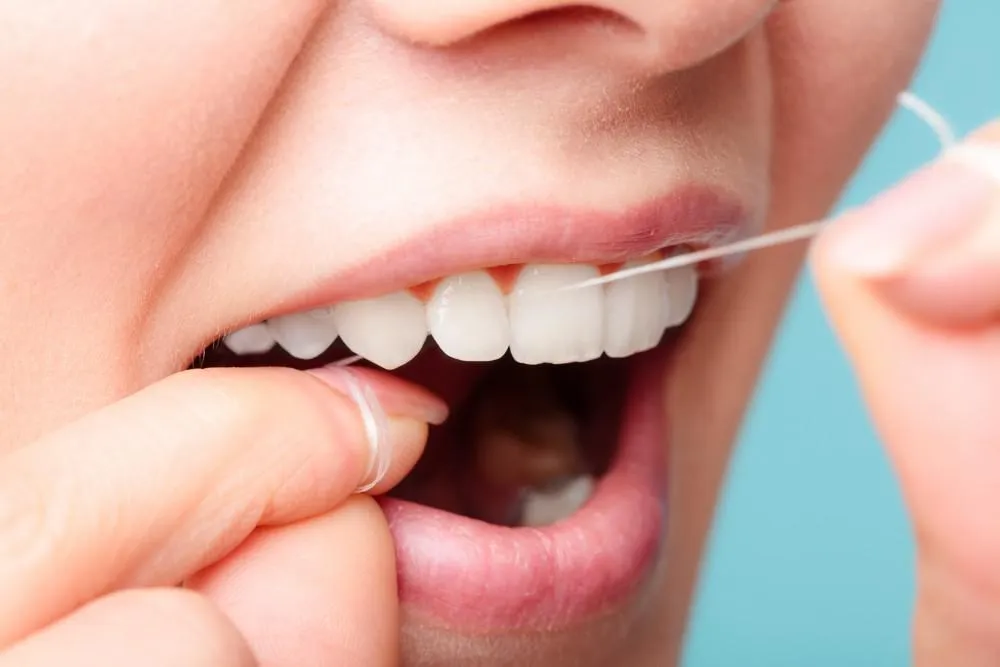
Best Time to Floss: Morning or Night? Dentist-Recommended RoutineWondering whether you should floss in the morning or at night? Learn what dentists recommend, why timing matters, and how proper flossing can significantly improve gum health and prevent cavities.
February 08, 2025

January 28, 2025

January 10, 2025

January 05, 2025

January 01, 2025
