


March 05, 2026
How Can Parents Prevent Cavities in Kids?Learn practical tips parents can follow to prevent cavities in children and promote strong, healthy teeth from an early age.

March 05, 2026
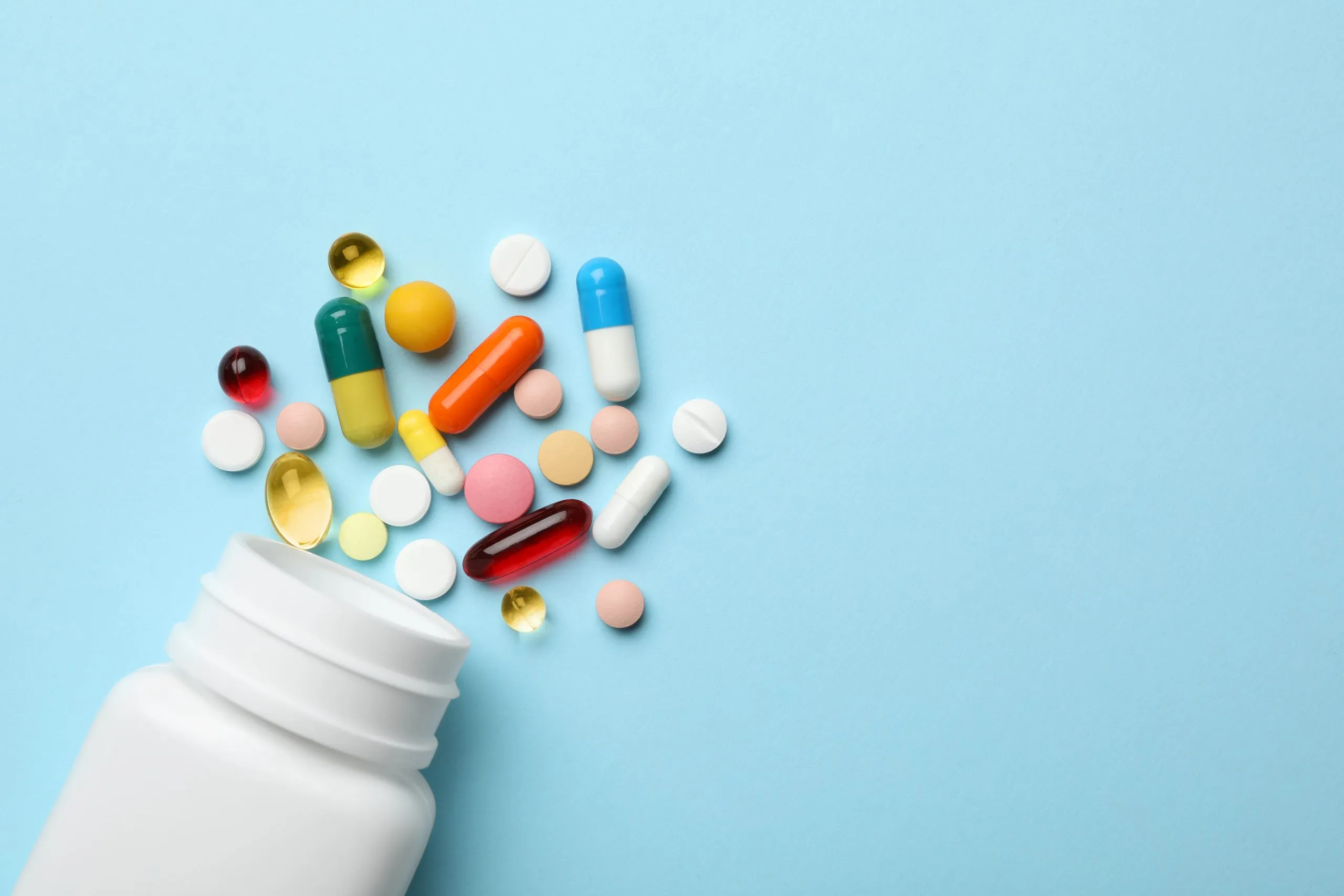
Medications are essential for treating medical conditions, relieving pain, and maintaining overall health. However, many people do not realize that certain medicines can negatively affect oral health over time. These effects may appear slowly and often go unnoticed until serious dental issues develop. Medications can change saliva flow, weaken enamel, irritate gums, or increase infection risks. Long-term use further intensifies these problems, especially without proper dental care. Understanding the connection between medications and oral health helps patients take timely preventive measures.
Medications influence oral health by altering the natural balance inside the mouth. Some drugs reduce saliva production, while others affect blood circulation, immune response, or bone strength. A healthy mouth relies on saliva to neutralize acids, control bacteria, and protect teeth and gums. When medications interfere with these functions, the mouth becomes more vulnerable to decay and disease. Certain drugs also cause tissue changes, making gums more sensitive or swollen. These effects highlight the importance of dental monitoring during medical treatment.
Dry mouth is the most frequently reported dental side effect of medications. Drugs for blood pressure, depression, anxiety, allergies, and pain often reduce saliva flow. Saliva plays a protective role by washing away food particles and neutralizing harmful acids. Without enough saliva, bacteria multiply rapidly, increasing the risk of cavities and gum disease. Dry mouth can also cause difficulty in speaking, chewing, and swallowing. Persistent dryness significantly affects comfort and overall oral health.
Tooth decay becomes more likely when medications disrupt the mouth’s natural defenses. Reduced saliva allows plaque to stick to teeth longer, accelerating enamel breakdown. Many liquid medications contain sugars and acids that directly damage tooth surfaces. Frequent dosing, especially before bedtime, exposes teeth to harmful substances for extended periods. Over time, this leads to cavities and weakened enamel. Proper oral hygiene is essential to counteract this increased decay risk.
Certain medications cause gum tissue to swell, bleed, or become inflamed. Drugs such as anticonvulsants, calcium channel blockers, and immunosuppressants can lead to gum overgrowth. Excess gum tissue creates pockets where plaque and bacteria accumulate. This makes brushing and flossing more difficult and less effective. If untreated, mild inflammation can progress into serious periodontal disease. Healthy gums require extra care when medication side effects are present.
Some medications weaken the immune system, increasing susceptibility to oral infections. Chemotherapy drugs, steroids, and immunosuppressants reduce the body’s ability to fight bacteria and fungi. Oral thrush is a common fungal infection linked to these medications. Inhalers used for asthma can also promote fungal growth if the mouth is not rinsed after use. Symptoms may include white patches, soreness, and burning sensations. Early detection and treatment prevent complications.
Certain medications are acidic or cause acid reflux as a side effect. Acid exposure gradually erodes tooth enamel, making teeth sensitive to temperature and sweetness. Repeated vomiting or GERD-related reflux exposes teeth to stomach acid. Once enamel wears away, it cannot regenerate naturally. This increases the risk of cavities and discomfort. Preventive care and fluoride treatments help protect weakened enamel.
Some medications interfere with bone metabolism and tissue healing. Osteoporosis drugs, such as bisphosphonates, may affect jawbone health. These drugs increase the risk of delayed healing after dental extractions or surgery. Blood thinners can also cause prolonged bleeding during dental procedures. Dentists must take special precautions when treating patients on these medications. Proper coordination between medical and dental care ensures safe treatment.
Several categories of medications are known to impact oral health. Antidepressants and antihistamines commonly cause dry mouth. Blood pressure drugs may lead to gum enlargement or sensitivity. Chemotherapy and immunosuppressants increase infection risks. Asthma inhalers can contribute to fungal infections if not used correctly. Osteoporosis medications affect jawbone healing. Awareness helps patients take preventive steps early.
Protecting oral health while on medication requires consistent preventive care. Drinking plenty of water helps reduce dryness and flush bacteria. Sugar-free gum stimulates saliva and protects enamel. Brushing twice daily with fluoride toothpaste strengthens teeth and prevents decay. Flossing removes plaque from areas brushing cannot reach. Regular dental checkups allow early detection of medication-related issues.
Drinking plenty of water is one of the simplest and most effective ways to protect your teeth while taking medications. Many drugs cause dry mouth by reducing saliva production, which allows bacteria to multiply. Water helps keep the mouth moist and washes away food particles and acids. Frequent sipping throughout the day is more beneficial than drinking large amounts at once. Proper hydration also supports healthy saliva flow and reduces bad breath. Avoid sugary or acidic drinks that can worsen enamel damage.
Sugar-free gum and lozenges help stimulate saliva production naturally. Increased saliva protects teeth by neutralizing acids and preventing plaque buildup. Xylitol-based gum is especially beneficial, as it reduces cavity-causing bacteria. Chewing gum after meals can help clean teeth when brushing is not possible. Saliva substitutes and oral sprays may also be recommended for severe dry mouth. These options provide comfort and additional protection for enamel.
Brushing your teeth twice a day is essential when taking medications that affect oral health. Fluoride toothpaste strengthens enamel and makes teeth more resistant to decay. Gentle brushing removes plaque and bacteria that thrive in dry mouth conditions. A soft-bristled toothbrush prevents gum irritation and enamel wear. Brushing before bedtime is especially important because saliva flow decreases at night. Consistent brushing significantly lowers the risk of cavities and gum disease.
Flossing is crucial for removing plaque and food particles from between teeth. Medications that cause gum swelling or dry mouth increase plaque accumulation in hard-to-reach areas. Daily flossing helps prevent gum inflammation and periodontal disease. It also reduces the risk of cavities between teeth. Patients with sensitive gums may use floss picks or water flossers. Proper flossing complements brushing for complete oral care.
Inhalers and liquid medications often leave residue in the mouth that can promote bacterial or fungal growth. Rinsing your mouth with water after each use helps remove these residues. This practice is especially important for asthma inhalers that contain steroids. Regular rinsing reduces the risk of oral thrush and tooth decay. Avoid brushing immediately after acidic medicines to prevent enamel erosion. Simple rinsing offers strong preventive benefits.
Regular dental visits are essential for people taking long-term medications. Dentists can detect early signs of medication-related dental problems before they worsen. Professional cleanings remove plaque buildup that home care may miss. Dentists can also recommend fluoride treatments or saliva-enhancing products. Informing your dentist about all medications allows safer and more effective care. Preventive checkups play a key role in maintaining oral health.
Always provide your dentist with a complete list of medications, including over-the-counter drugs and supplements. Some medications affect bleeding, healing, or bone health during dental procedures. Accurate information allows dentists to adjust treatment plans accordingly. It also helps identify oral symptoms caused by medication side effects. Open communication ensures better coordination between medical and dental care. This step improves safety and long-term oral outcomes.
Medications that cause dry mouth make teeth more vulnerable to sugar and acid. Limiting sugary snacks reduces the risk of cavities. Acidic foods and drinks can erode weakened enamel. Choose tooth-friendly snacks such as cheese, nuts, and vegetables. Rinse your mouth with water after consuming acidic foods. A balanced diet supports both oral and overall health.
Any persistent oral symptoms should be discussed with a dentist or physician. Dry mouth, gum swelling, mouth sores, or sensitivity may indicate medication side effects. Dentists can recommend saliva substitutes or protective treatments. Doctors may adjust medication dosage or suggest alternatives if appropriate. Never stop medication without professional guidance. Communication between healthcare providers ensures balanced care.
Medications can cause dental problems, but these issues are manageable with awareness and preventive care. Understanding how drugs affect teeth and gums allows patients to act early. Regular dental visits, proper hygiene, and hydration significantly reduce risks. Coordination between dentists and doctors is essential for long-term oral health. Protecting your smile is an important part of overall well-being.
Most damage is preventable with early care and good oral hygiene.
Yes, it increases the risk of cavities, gum disease, and infections.
Yes, always share a complete medication list with your dentist.
Yes, especially if they contain sugar or acids.
Some issues can be managed or improved, but prevention is best.
March 05, 2026
How Can Parents Prevent Cavities in Kids?Learn practical tips parents can follow to prevent cavities in children and promote strong, healthy teeth from an early age.

March 05, 2026
Tips to Maintain White Teeth After Whitening TreatmentDiscover practical tips to maintain your white teeth after a whitening treatment and keep your smile bright and stain-free longer.
February 08, 2025

January 28, 2025

January 10, 2025

January 05, 2025

January 01, 2025
