


March 05, 2026
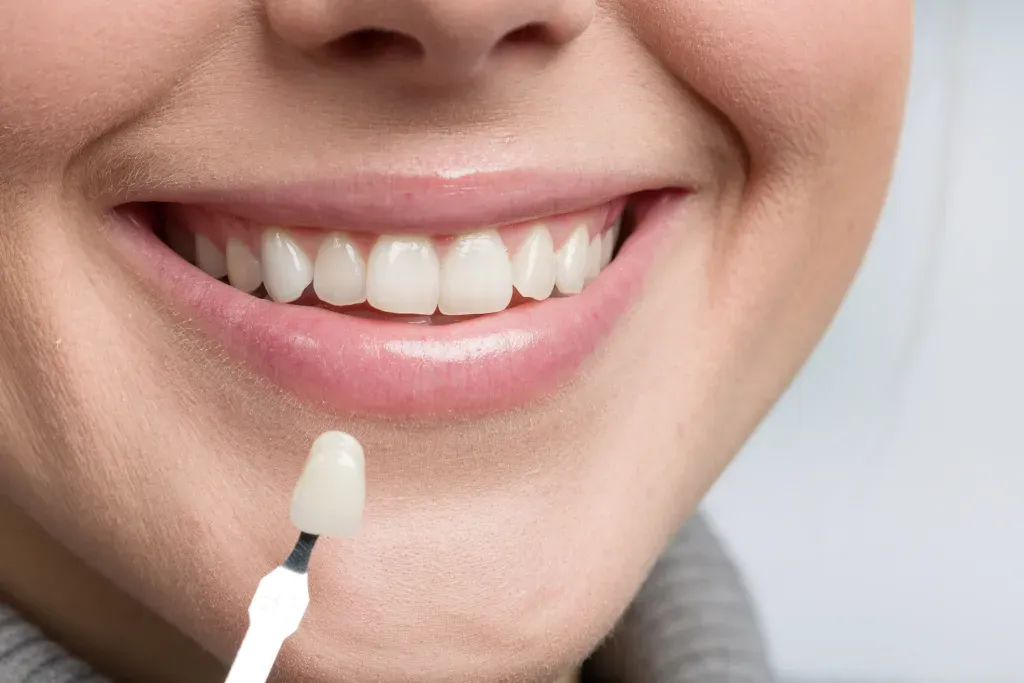
Porcelain Veneers Explained: How They Create a Perfect SmileLearn what porcelain veneers are, how they work, and how they enhance your smile by correcting stains, chips, gaps, and uneven teeth.

March 05, 2026
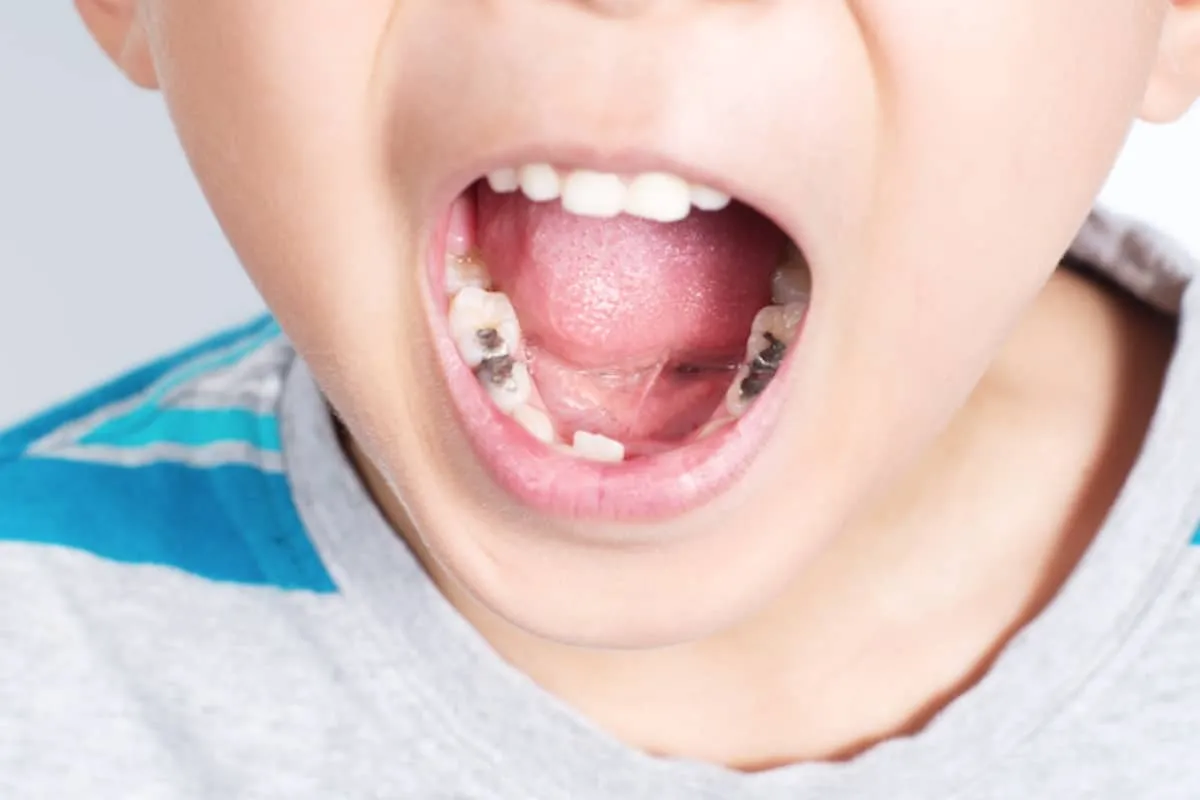
Cavities are one of the most common childhood health problems, yet they are largely preventable with proper care. Many parents underestimate the importance of early dental habits, assuming baby teeth are temporary and less important. However, cavities in childhood can lead to pain, infections, difficulty eating, and speech problems. Poor oral health can also affect a child’s confidence and school performance. Parents play a crucial role in guiding children toward healthy dental routines. By understanding cavity causes and prevention strategies, families can protect children’s smiles. Consistent care, education, and regular dental visits form the foundation of cavity prevention. Early action ensures strong teeth and lifelong oral health.
Cavities occur when bacteria in the mouth produce acids that weaken and damage tooth enamel. Children are especially vulnerable because their enamel is thinner and still developing. Sugary foods and drinks feed harmful bacteria, accelerating decay. Poor brushing habits allow plaque to build up on teeth, increasing cavity risk. Baby teeth are often affected first, but decay can spread quickly. Cavities may not cause pain initially, making them easy to overlook. If untreated, they can worsen and impact permanent teeth. Understanding how cavities form helps parents take timely preventive steps.
Oral care should begin even before a child’s first tooth appears. Cleaning a baby’s gums helps remove bacteria and prepares them for brushing later. Early dental care builds healthy habits that last into adulthood. Children who learn proper oral hygiene early are less likely to fear dental visits. Strong baby teeth help children chew properly and speak clearly. Neglecting early care can lead to cavities and alignment issues. Pediatric dentists recommend early checkups to monitor development. Prevention from infancy reduces long-term dental problems and treatment costs.
Daily brushing is the most effective way to prevent cavities in kids. Children should brush twice a day, especially before bedtime. Using fluoride toothpaste strengthens enamel and protects against decay. Parents should supervise brushing to ensure proper technique and duration. A soft-bristled toothbrush is gentle on young gums and teeth. Brushing should cover all tooth surfaces, including the back teeth. Consistency is key to preventing plaque buildup. Making brushing part of a daily routine helps children develop discipline and responsibility.
Flossing removes food particles and plaque from areas a toothbrush cannot reach. Children should begin flossing once two teeth touch each other. Many cavities form between teeth, making flossing essential. Parents can help younger children floss safely and effectively. Flossing should be done gently to avoid gum injury. Teaching flossing early helps children accept it as a normal habit. Regular flossing reduces bacteria and prevents gum problems. Over time, kids learn to floss independently with confidence.
A healthy diet plays a major role in preventing cavities. Foods rich in calcium, vitamins, and minerals strengthen teeth. Crunchy fruits and vegetables help clean teeth naturally while chewing. Dairy products like milk and cheese support enamel health. Whole grains and lean proteins promote overall oral wellness. Avoiding sticky foods reduces plaque buildup. Balanced meals limit acid attacks on teeth. Educating kids about healthy food choices encourages better dental habits.
Sugar is a leading cause of tooth decay in children. Sugary snacks and drinks feed bacteria that produce harmful acids. Frequent sugar consumption increases cavity risk significantly. Sodas, candies, and packaged juices are especially damaging. Parents should limit sugary treats and offer healthier alternatives. Timing matters—sweets between meals are more harmful. Rinsing or brushing after sugary foods reduces damage. Teaching moderation helps kids develop responsible eating habits.
Water is one of the best natural defenses against cavities. It helps wash away food particles and bacteria from the mouth. Fluoridated water strengthens tooth enamel and prevents decay. Drinking water instead of sugary drinks reduces acid exposure. Encouraging kids to sip water throughout the day keeps the mouth hydrated. A moist mouth produces more saliva, which protects teeth. Water is calorie-free and promotes overall health. Making water the default drink supports strong teeth and gums.
Routine dental visits are essential for cavity prevention. Dentists can detect early signs of decay before they worsen. Professional cleanings remove plaque and tartar buildup. Dental checkups also allow monitoring of tooth development. Pediatric dentists provide guidance on brushing, flossing, and diet. Early visits help children feel comfortable with dental care. Regular appointments reduce the risk of emergency treatments. Consistent checkups ensure long-term oral health.
Fluoride treatments strengthen enamel and protect against cavities. Dentists apply fluoride safely during routine visits. Dental sealants act as a protective barrier on back teeth. They prevent food and bacteria from settling into deep grooves. Sealants are especially helpful for children prone to cavities. Both treatments are quick, painless, and effective. Parents should discuss these options with their dentist. Preventive treatments significantly reduce cavity risk.
Making dental care enjoyable increases consistency and cooperation. Fun toothbrushes and flavored toothpaste motivate children. Playing music or using timers makes brushing exciting. Reward charts encourage regular brushing and flossing. Parents can brush alongside their children as role models. Storybooks and videos about dental care create interest. Positive reinforcement builds confidence and routine. Fun approaches turn oral care into a daily habit rather than a chore.
Parents are responsible for guiding and supervising children’s oral care. Young kids lack the skills to clean teeth effectively alone. Parents should demonstrate proper brushing and flossing techniques. Monitoring ensures routines are followed consistently. Encouragement and reminders reinforce good habits. Parents also control food choices and dental visits. Leading by example influences children’s behavior. Active involvement ensures successful cavity prevention.
Many parents allow sugary snacks too frequently. Skipping nighttime brushing increases cavity risk significantly. Delaying dental visits until pain appears is a common mistake. Allowing bedtime bottles with milk or juice harms teeth. Using non-fluoride toothpaste may reduce protection. Assuming baby teeth do not matter leads to neglect. Inconsistent routines weaken preventive efforts. Avoiding these mistakes improves children’s oral health.
Parents should consult a dentist if a child complains of tooth pain. Visible spots or holes on teeth need immediate attention. Bleeding gums may indicate oral hygiene issues. Difficulty chewing or sensitivity to food is a warning sign. Delayed tooth eruption should be evaluated. Regular visits are recommended even without symptoms. Early consultation prevents complications. Professional care ensures proper diagnosis and treatment.
Preventing cavities in kids requires consistent care, education, and parental involvement. Healthy habits formed early protect children’s teeth for life. Brushing, flossing, and proper nutrition work together to prevent decay. Regular dental visits ensure early detection and guidance. Limiting sugar and encouraging water intake strengthen oral health. Parents play the most important role in prevention. With proactive efforts, cavities can be significantly reduced. A healthy smile supports a child’s overall well-being.
Children should start brushing as soon as their first tooth appears.
Kids should brush twice daily, especially before bedtime.
Yes, cavities can cause pain and affect permanent teeth.
Children should visit the dentist every six months.
While not always 100%, proper care greatly reduces the risk.
March 05, 2026
Porcelain Veneers Explained: How They Create a Perfect SmileLearn what porcelain veneers are, how they work, and how they enhance your smile by correcting stains, chips, gaps, and uneven teeth.

March 05, 2026
Can Medications Cause Dental Problems?Learn how certain medications can affect oral health, cause dental problems, and what steps you can take to protect your teeth and gums.
February 08, 2025

January 28, 2025

January 10, 2025

January 05, 2025

January 01, 2025
