Cavities continue to affect children and adults across the UK, even in families who brush twice a day and limit sugary snacks. Tooth decay develops quietly, often starting in the deep grooves of back teeth where toothbrush bristles struggle to reach. Dental sealants offer a powerful preventive solution that protects these vulnerable areas before decay begins. If you want to reduce the risk of fillings, extractions, and dental discomfort for yourself or your children, dental sealants deserve serious consideration.
What Are Dental Sealants and How Do They Work?
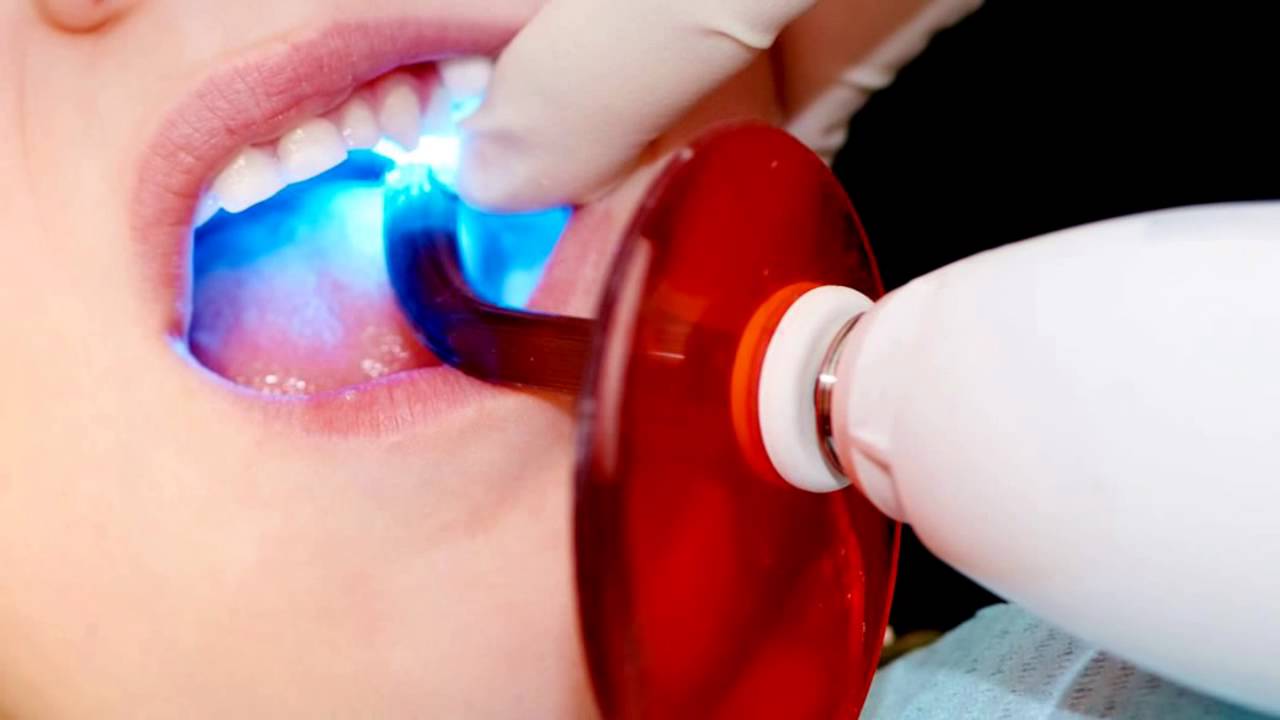
Dental sealants consist of a thin, tooth-coloured protective coating that dentists apply to the chewing surfaces of molars and premolars. These back teeth contain natural pits and fissures that trap food particles and bacteria. Even excellent brushing cannot always clean these narrow grooves effectively. Sealants flow into these crevices and create a smooth barrier that prevents plaque and acids from attacking enamel. Dentists bond the material securely to the tooth using a special curing light, and protection begins immediately after placement.
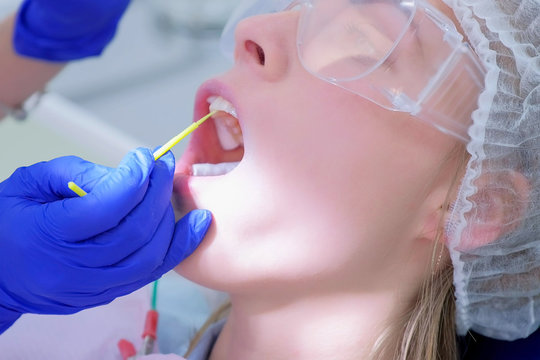
The procedure feels quick and completely painless. Your dentist cleans and dries the tooth, prepares the surface, and then paints the sealant into place. No drilling, no injections, and no discomfort interrupt the experience. Children often feel surprised by how simple the appointment feels. Adults appreciate the efficiency and preventive value.
Why Children Face a Higher Risk of Cavities
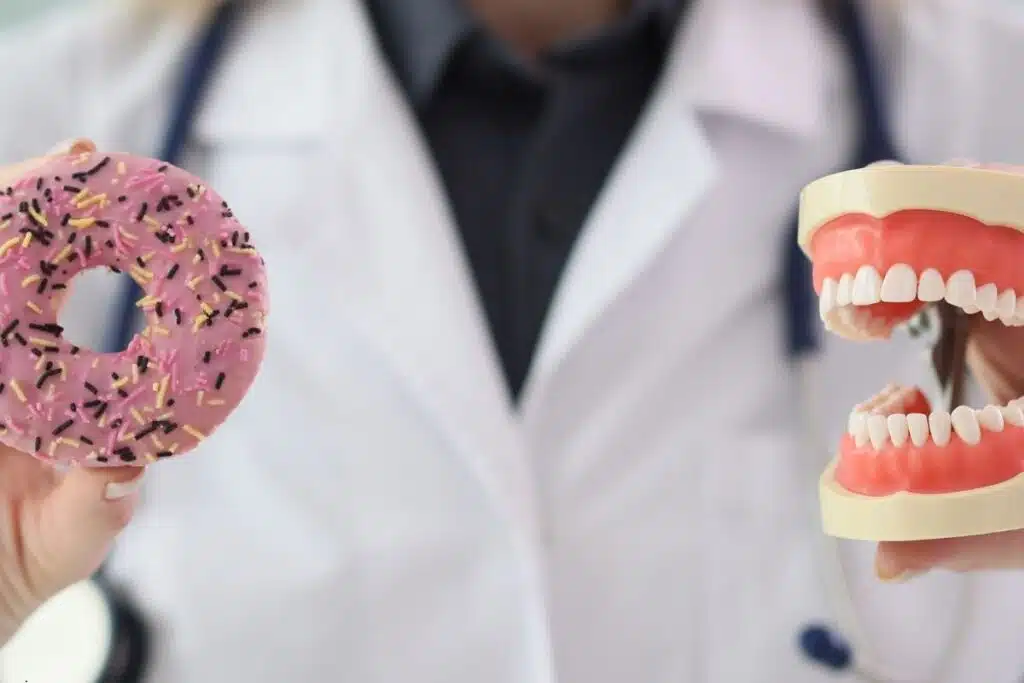
Children experience cavities more frequently than adults for several reasons. Young patients often enjoy sugary snacks, fruit juices, and sweetened drinks. They also continue developing brushing skills and may rush through their oral hygiene routine. Back teeth erupt around ages six and twelve, and these newly erupted molars remain especially vulnerable during the first few years. If you want deeper insight into why children develop decay so easily, you can explore this detailed guide on why do kids get so many cavities, which explains the most common causes and risk factors.
Sealants target exactly where decay begins. By sealing grooves early, you reduce the likelihood that bacteria will settle and multiply. This proactive approach protects children during the years when they need it most.
The Right Time to Consider Sealants for Your Child
Dentists usually recommend sealants as soon as permanent molars erupt. The first set appears around age six, and the second set usually comes through around age twelve. Applying sealants shortly after eruption maximises protection before bacteria can penetrate deep grooves. Parents who prioritise early prevention often notice fewer fillings and fewer urgent dental visits as their children grow.
If you still feel unsure about timing or suitability, you can read more professional insight in this article onshould your child get dental sealants. It explains how dentists evaluate risk and determine candidacy based on each child’s oral health.
Do Adults Benefit from Dental Sealants?
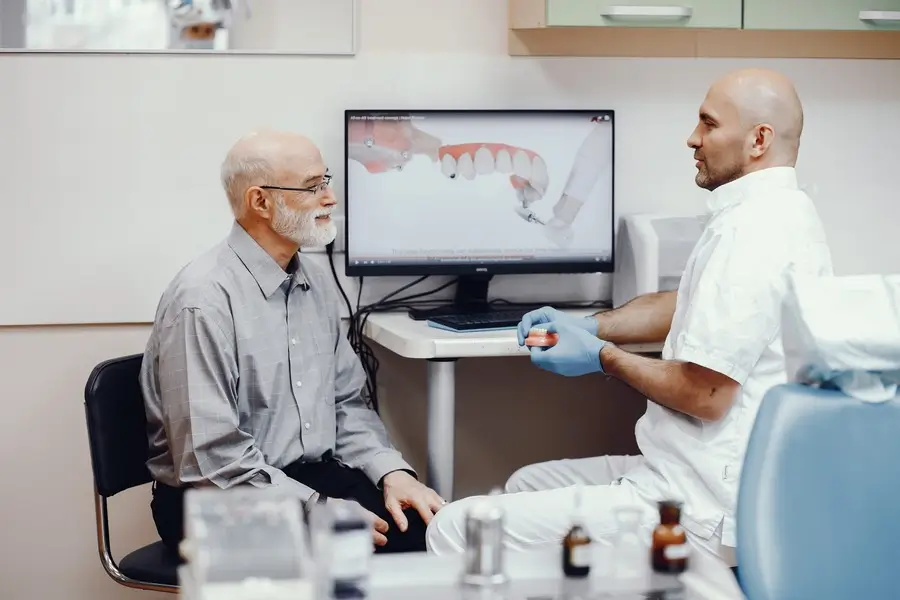
Many people assume sealants only help children, but adults can benefit as well. If your molars remain free of fillings or decay, your dentist may still recommend sealants. Adults with deep fissures, a history of cavities, or limited access to dental care often gain significant protection from this simple procedure. Sealants do not replace brushing and flossing, but they provide added defence in areas where decay most commonly begins.
Even adults who maintain excellent oral hygiene sometimes develop cavities in molars due to natural anatomy. Sealants provide targeted protection without altering the appearance of your smile.
Sealants vs Fillings: Prevention Always Wins
When decay develops, dentists must remove the damaged portion of the tooth and restore it with a filling. Although modern fillings look natural and function well, they still require drilling and removal of healthy tooth structure. You can learn more about restorative solutions by visiting the page on dental fillings, which explains how dentists repair cavities once they form.
Sealants, by contrast, help prevent the need for fillings altogether. They preserve natural enamel and stop decay before it starts. From both a health and financial perspective, prevention offers clear advantages over treatment.
How Sealants Fit Into a Complete Preventive Plan
Dental sealants work best when combined with regular dental check-ups, professional cleanings, fluoride use, and strong daily oral hygiene. Routine examinations allow dentists to monitor sealants and ensure they remain intact. If a sealant chips or wears down over time, your dentist can quickly repair it.
Regular appointments also help detect early signs of gum inflammation, enamel wear, or developing decay in other areas. You can discover why consistent examinations matter by reading about dental check-ups and how they support long-term oral health. Preventive dentistry creates a strong foundation that reduces the likelihood of complex procedures later in life.
Are Dental Sealants Safe?
Extensive research supports the safety and effectiveness of dental sealants. Dentists have used them for decades to reduce cavity rates in children and adults. The materials meet strict clinical standards and remain stable once bonded to enamel. The amount of material used stays minimal and localised to the tooth surface. Leading health organisations consistently confirm that the benefits of preventing decay far outweigh any minimal concerns.
When you protect enamel early, you reduce the chance of infection, pain, and advanced restorative treatments. Sealants support long-term health rather than temporary cosmetic improvement.
How Long Do Dental Sealants Last?
Sealants typically last between five and ten years, depending on chewing habits and oral hygiene practices. Dentists examine them during routine visits and replace them if necessary. Many children retain effective sealants throughout their cavity-prone teenage years. Adults who receive sealants can also enjoy long-lasting protection with proper care.
Good brushing technique, fluoride toothpaste, and reduced sugar intake all help extend the lifespan of sealants. Preventive habits amplify the benefits of professional care.
When Should You Take Action?
If your child recently developed permanent molars, or if you notice recurring cavities in your own back teeth, now stands as the ideal time to discuss sealants with your dentist. Early prevention reduces stress, lowers long-term costs, and protects natural tooth structure. Waiting until pain appears often leads to more invasive solutions.
If you would like personalised advice, professional assessment, or guidance tailored to your family’s needs, you can take the next step today.
Protecting Smiles for the Future
Dental sealants represent one of the most effective and affordable preventive treatments available in modern dentistry. They protect the most vulnerable surfaces of the teeth, reduce the risk of decay, and help children and adults maintain healthier smiles for years to come. When you choose sealants, you choose prevention, confidence, and peace of mind. By combining sealants with regular check-ups and strong daily oral hygiene, you create a powerful defence against cavities and safeguard your family’s smiles for the future.