Healthy teeth play a vital role in our overall well-being. Tooth decay, sensitivity, and enamel erosion can affect our daily lives, confidence, and nutrition. Fluoride therapy has emerged as one of the most effective ways to protect teeth and strengthen enamel. This guide explores everything you need to know about fluoride therapy, its benefits, types, methods, and tips for incorporating it into your oral care routine.
Understanding Fluoride and Its Importance
Fluoride is a naturally occurring mineral that strengthens tooth enamel and prevents decay. When applied to teeth or ingested in small amounts, fluoride enhances remineralization, a process that repairs early signs of tooth decay. Studies show that consistent fluoride use reduces cavities by up to 50% in children and adults.
Fluoride works in two main ways:
Topical Protection: Fluoride applied directly to the teeth forms a protective layer that makes enamel more resistant to acid attacks from food and bacteria.
Systemic Protection: Fluoride consumed through water or supplements strengthens developing teeth before they erupt and continues to protect enamel after eruption.
Benefits of Fluoride Therapy
Fluoride therapy offers a wide range of benefits beyond cavity prevention:
Strengthens Tooth Enamel: Fluoride repairs weakened enamel, making teeth more resilient to decay and sensitivity.
Prevents Cavities: Fluoride hinders harmful bacteria and reduces the risk of cavities in children and adults. Learn more on why fluoride matters.
Reduces Tooth Sensitivity: Fluoride decreases sensitivity by reinforcing enamel and protecting nerve endings within teeth.
Cost-Effective Dental Care: Preventing cavities reduces the need for expensive dental treatments. See the price list for more details.
Supports Long-Term Oral Health: Regular fluoride use maintains stronger, healthier teeth throughout life.
Types of Fluoride Therapy
Dentists use several fluoride therapy methods to meet different needs:
1. Topical Fluoride
Topical fluoride comes in gels, foams, varnishes, and toothpaste. It directly contacts teeth to enhance enamel resistance. Common topical methods include:
Fluoride Toothpaste: Brushing twice daily forms a protective layer on teeth.
Fluoride Mouth Rinses: These rinse solutions offer extra protection, especially for those prone to cavities.
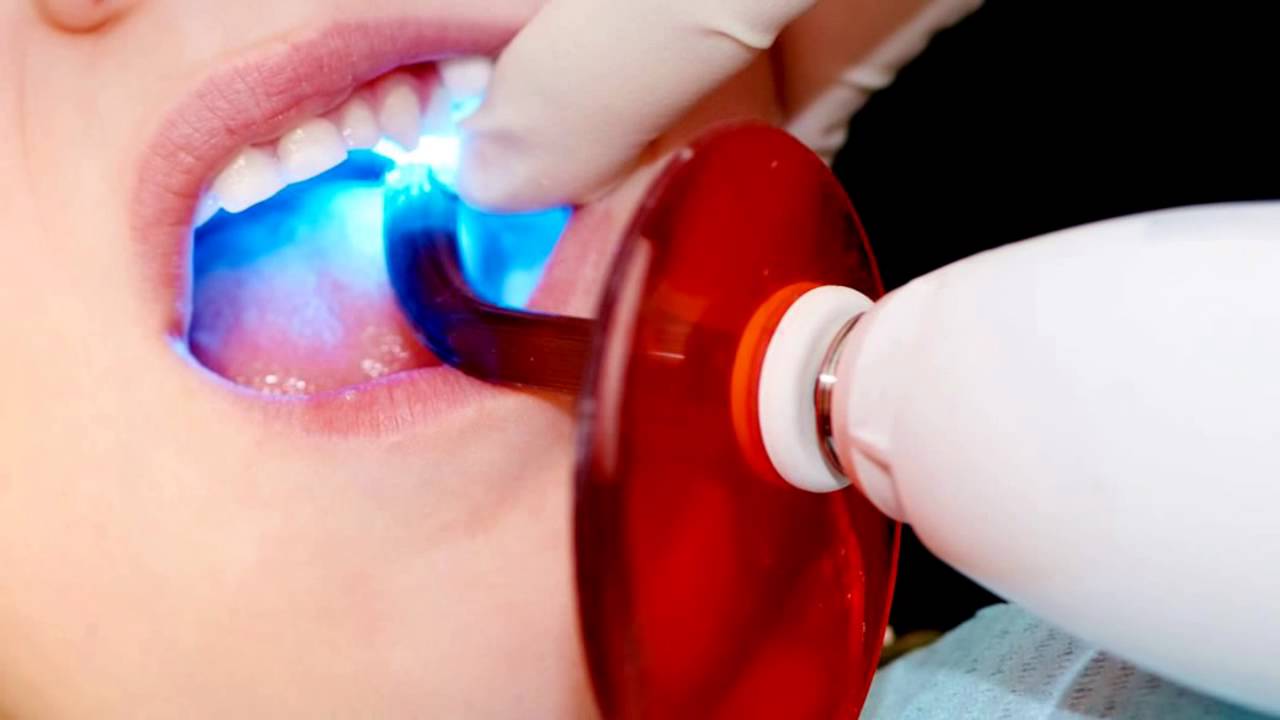
Professional Fluoride Varnish: Dentists apply a concentrated fluoride varnish that adheres to teeth for several hours, providing long-lasting protection. Schedule your visit through dental check-ups.
2. Systemic Fluoride
Systemic fluoride strengthens teeth from within. It integrates into developing enamel, creating stronger teeth before eruption. Sources include:
Fluoridated Drinking Water: Community water fluoridation provides consistent low-dose fluoride.
Dietary Supplements: Fluoride tablets, drops, or lozenges provide extra protection for children in low-fluoride areas. Read more on child fluoride protection.
3. Fluoride Treatments at the Dentist
Professional fluoride treatments provide higher fluoride concentrations than home care products. Dentists recommend treatments based on age, cavity risk, and oral health status. These treatments include:
High-concentration fluoride gels or foams applied in trays.
Fluoride varnish painted directly onto teeth.
Targeted fluoride applications for patients with braces, gum recession, or high cavity risk. Learn more about professional dental hygiene.
Who Needs Fluoride Therapy?
Children: Developing teeth respond strongly to fluoride, preventing cavities and building stronger enamel.
Adults with High Cavity Risk: Adults with dry mouth, gum disease, or previous cavities benefit from additional fluoride therapy.
Orthodontic Patients: Braces create hard-to-clean areas where fluoride prevents decay. Check brace care tips.
People in Low-Fluoride Areas: Individuals without access to fluoridated water should consider supplements or professional treatments.
Incorporating Fluoride into Your Daily Routine
Brush teeth twice daily with fluoride toothpaste.
Use a fluoride mouth rinse if recommended by your dentist.
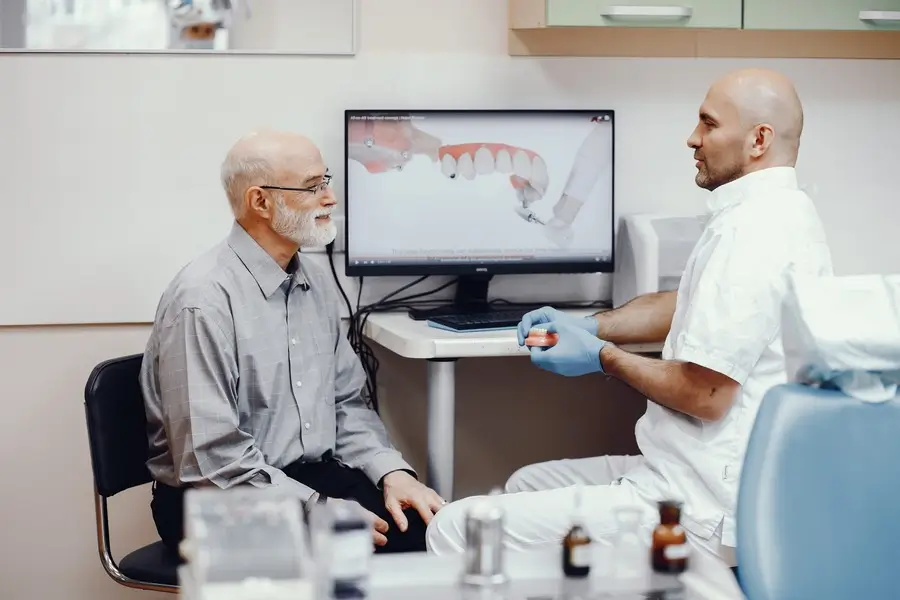
Visit your dentist regularly for fluoride treatments and check-ups. Explore sedation options if you feel anxious.
Encourage children to swallow minimal toothpaste and supervise brushing.
Consume fluoridated water or supplements as advised.
Conclusion
Fluoride therapy remains one of the most effective tools for maintaining strong, healthy teeth. Its ability to strengthen enamel, prevent cavities, and reduce sensitivity makes it essential for children and adults. By understanding the types of fluoride therapy, incorporating it into daily routines, and consulting dental professionals, you can maximize its benefits and secure a lifetime of confident smiles. Take the first step today and contact your dentist for guidance.