Understanding Oral Cancer and Its Risks
Oral cancer represents a serious health concern that affects thousands of people every year worldwide. The disease develops in the tissues of the mouth or throat, often starting as small, unnoticed lesions that can quickly become aggressive if left untreated. Risk factors include tobacco use, excessive alcohol consumption, human papillomavirus (HPV) infection, poor oral hygiene, and prolonged sun exposure on the lips. Understanding these risks allows individuals to take proactive steps toward prevention and early detection, significantly improving outcomes.
The Importance of Early Detection
Detecting oral cancer early dramatically increases the chances of successful treatment and long-term survival. When diagnosed in its initial stages, the disease responds well to surgical removal, radiation, and chemotherapy. Early detection also minimizes the physical, emotional, and financial toll of treatment. Conversely, late-stage diagnosis often requires more invasive procedures, leads to higher complication rates, and reduces survival rates. Regular screenings and self-examinations empower individuals to catch warning signs before the disease progresses.
Recognizing the Warning Signs
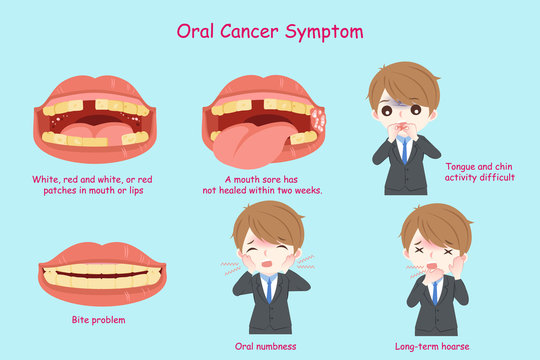
Oral cancer often begins subtly, making awareness of early warning signs crucial. Persistent sores or ulcers in the mouth that fail to heal within two weeks demand immediate attention. White or red patches on the gums, tongue, or lining of the mouth may signal abnormal tissue changes. Unexplained bleeding, numbness, or pain, especially when swallowing or speaking, should not be ignored. Swelling, lumps, or thickened areas in the cheek, jaw, or neck can indicate tumor development. By recognizing these early indicators, individuals can seek prompt medical evaluation and intervention.
The Role of Regular Dental Visits
Dentists play a pivotal role in detecting oral cancer before symptoms become severe. During routine dental checkups, professionals examine the mouth, tongue, throat, and surrounding tissues for abnormal lesions or growths. Patients who maintain regular dental visits, such as dental check-ups at Kirkby Dental, benefit from early detection even when they feel completely healthy. Dentists also educate patients about lifestyle changes and risk reduction strategies that lower the likelihood of developing oral cancer.
Self-Examination Techniques
Individuals can actively participate in their oral health by performing regular self-examinations. Start by examining the lips, checking for sores, discoloration, or changes in texture. Use a mirror to inspect the inside of the cheeks, gums, and roof of the mouth, looking for unusual patches, bumps, or persistent irritation. Gently feel the tongue and under the jaw for lumps or swelling. Perform these checks at least once a month, especially for those with known risk factors. Consistent self-examination allows early detection and timely consultation with a healthcare provider. For additional guidance on maintaining healthy gums, check Kirkby Dental’s gum health tips.
The Connection Between HPV and Oral Cancer
Human papillomavirus (HPV), particularly HPV-16, increasingly contributes to oral cancer cases, especially in younger populations. HPV-related oral cancers often develop in the throat, base of the tongue, or tonsils. Transmission occurs primarily through intimate contact, including oral sex. Vaccination against HPV significantly reduces the risk of developing these cancers. Awareness of HPV’s role and vaccination options empowers individuals to take preventive action, complementing routine oral health practices and screenings.
Lifestyle Changes That Reduce Risk
Lifestyle choices heavily influence the likelihood of developing oral cancer. Eliminating tobacco in all forms drastically reduces the risk, as does moderating alcohol consumption. Maintaining a balanced diet rich in fruits, vegetables, and antioxidants supports oral and overall health. Practicing safe sex reduces the risk of HPV infection. Protecting lips from excessive sun exposure with lip balm containing SPF further decreases the chance of developing lip cancer. Small, consistent lifestyle changes create a substantial cumulative effect in reducing cancer risk. For advice on professional hygiene, Kirkby Dental Hygienist services provide personalized guidance to maintain optimal oral health.
Screening Technologies and Innovations
Advances in screening technology enhance early detection efforts. Fluorescence visualization devices allow dentists to identify abnormal tissue by illuminating the mouth under specific light. Toluidine blue staining highlights areas of concern that may not be visible to the naked eye. Brush biopsies and molecular diagnostic tools can detect precancerous changes before tumors form. By leveraging these innovations, healthcare professionals can identify and treat lesions early, often preventing progression to invasive oral cancer. Routine screenings are available at facilities like Kirkby Dental Check-Ups.
Understanding the Diagnostic Process
When a suspicious lesion appears, a timely diagnostic evaluation is critical. Dentists or oral surgeons perform thorough clinical examinations, followed by imaging tests like CT scans or MRIs to assess tissue involvement. Biopsies remain the gold standard for confirming a cancer diagnosis, allowing pathologists to determine the type and stage of cancer. Accurate diagnosis guides treatment planning, ensuring that patients receive the most effective interventions while preserving oral function and appearance whenever possible. Kirkby Dental’s periodontics and diagnostic services help in detecting underlying conditions that may indicate risk.
Treatment Options and Strategies
Treatment for oral cancer varies depending on the stage, location, and overall health of the patient. Early-stage cancers may respond well to surgical removal alone, often allowing patients to retain normal oral function. Advanced cases might require a combination of surgery, radiation therapy, and chemotherapy. Targeted therapies and immunotherapy offer additional options for select patients. Multidisciplinary care teams, including oncologists, surgeons, radiologists, and speech therapists, collaborate to maximize outcomes while minimizing side effects. For patients seeking treatment guidance, Kirkby Dental Extractions and Surgical Care provide expert support.
Emotional and Psychological Considerations
A diagnosis of oral cancer can profoundly impact emotional well-being. Patients often experience anxiety, depression, and fear regarding treatment and recovery. Early detection not only improves survival but also reduces psychological stress by avoiding the trauma of late-stage treatment. Access to counseling, support groups, and mental health resources plays a vital role in maintaining emotional health throughout diagnosis, treatment, and recovery. Caregivers and family members also benefit from guidance and support to navigate the emotional challenges effectively.
Recovery and Rehabilitation
Recovery from oral cancer treatment focuses on restoring function, appearance, and quality of life. Speech therapy, swallowing exercises, and dietary modifications help patients regain normal eating and communication abilities. Dental rehabilitation, including implants or prosthetics, may be necessary to restore oral structure. Patients who embrace rehabilitation programs tend to experience faster recovery and better long-term outcomes. Consistent follow-up care and self-monitoring remain essential to detect any recurrence early.
The Importance of Awareness Campaigns
Public awareness campaigns play a critical role in promoting early detection of oral cancer. Educational programs in schools, workplaces, and community centers inform people about risk factors, warning signs, and preventive strategies. Campaigns emphasizing regular dental visits and self-examination encourage proactive health behavior. Governmental and nonprofit initiatives contribute to reducing the incidence of oral cancer by making information accessible to the broader population, ultimately saving lives through informed action. For those ready to take action, you can book a dental appointment at Kirkby Dental.
Conclusion: Taking Charge of Your Oral Health
Early detection of oral cancer remains the most effective way to improve survival rates and minimize treatment-related complications. By understanding risk factors, recognizing warning signs, maintaining regular dental visits, and performing self-examinations, individuals can take active control of their oral health. Lifestyle modifications, HPV vaccination, and awareness of emerging screening technologies further strengthen preventive efforts. Oral cancer may seem daunting, but proactive, informed action empowers individuals to detect it early, seek timely treatment, and maintain a fulfilling, healthy life.


.webp "Preventive Dentistry Tips for Children | Start Healthy Oral Habits Early")