A bright smile starts with more than just healthy teeth; healthy gums are the true foundation of long-term oral wellness. While many people focus on whitening or cavity prevention, they often overlook the critical role gums play in supporting teeth and maintaining oral health. Gum disease, or periodontal disease, is common, affecting millions worldwide, yet it is largely preventable with consistent care and early intervention.
Understanding the interaction between lifestyle habits, oral hygiene practices, and professional care is essential for maintaining strong gums. By learning how to recognize early warning signs, establishing effective daily habits, and seeking timely dental treatment, patients can protect their gums and enjoy a vibrant, lasting smile. This article explores why gum health matters, how to detect problems early, the best daily care routines, nutritional strategies, and professional treatments to ensure optimal gum and oral health.
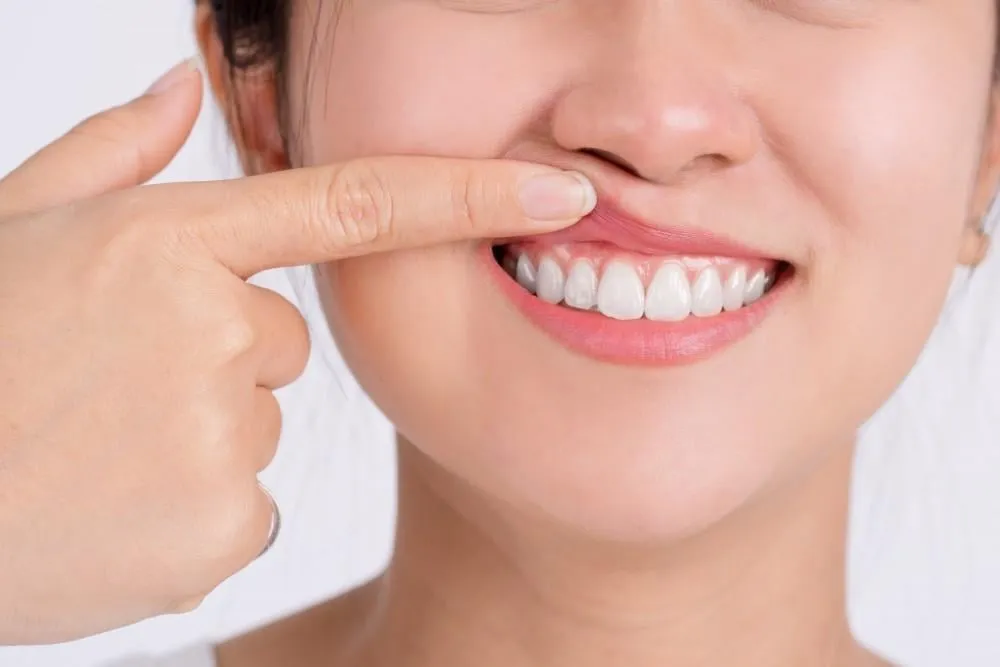
Gums are not simply the pink tissue surrounding teeth; they serve as a protective barrier and structural support system. Healthy gums form a tight seal around teeth, shielding the roots from harmful bacteria, preventing food particles from accumulating, and helping maintain tooth stability. Without strong gums, teeth are more vulnerable to disease, sensitivity, and even loss.
Poor gum health often begins with gum inflammation or bleeding, which, if left untreated, can progress to gum recession and exposure of tooth roots. This not only increases sensitivity but also heightens the risk of decay and infection. In severe cases, advanced periodontal disease can lead to loose teeth and tooth loss, compromising both function and aesthetics.
Gum health also has implications for overall well-being. Research has established links between periodontal disease and systemic conditions such as heart disease, diabetes, and chronic inflammation. Caring for gums is therefore not just an investment in oral aesthetics, but a proactive step toward long-term systemic health.
Identifying problems early is crucial because many gum issues are reversible in their initial stages. Common warning signs include red, swollen, or tender gums, which may appear puffy or feel sensitive when touched. Another red flag is bleeding during brushing or flossing, signaling irritation or inflammation along the gumline.
Persistent bad breath or a foul taste can also indicate bacterial buildup in the mouth, a symptom often associated with gum disease. Additionally, patients may notice gum recession or loose teeth, which are signs that the supporting tissue is deteriorating. Detecting these issues early allows for less invasive treatment and reduces the likelihood of serious complications, reinforcing the importance of regular self-checks and routine dental visits.
Brushing is a daily habit, but its effectiveness depends on proper technique. Using a soft-bristled toothbrush, brush for two minutes, twice daily, ensuring that all surfaces of the teeth and the gumline are adequately cleaned.
Proper brushing involves angling the brush at approximately 45 degrees toward the gumline to remove plaque effectively. Replacing your toothbrush every 3–4 months is essential, as worn bristles lose their cleaning efficiency. For patients seeking enhanced results, electric toothbrushes offer consistent motion and pressure, ensuring thorough plaque removal and reducing gum inflammation. Effective brushing lays the foundation for healthy gums and prevents the early onset of periodontal issues.
Flossing Daily
Even the most thorough brushing cannot reach the tight spaces between teeth where plaque and bacteria accumulate. Flossing once a day removes debris and bacteria that brushing alone cannot access, particularly along the gumline and between teeth.
Proper technique involves gently sliding the floss along each tooth, avoiding forceful snapping that could damage gum tissue. For those who find traditional flossing challenging, alternatives such as floss picks, interdental brushes, or water flossers can make daily cleaning easier while still protecting gum health. Consistent flossing reduces inflammation, prevents gum disease, and complements brushing for a comprehensive oral care routine.
Using Mouthwash Wisely
Mouthwash can enhance gum care, but it must be used correctly. Antibacterial or fluoride-based mouthwashes can reduce plaque, strengthen enamel, and support gum tissue. However, excessive use of alcohol-based rinses may dry out gums, leading to irritation or sensitivity.
For optimal results, swish mouthwash for 30–60 seconds after brushing and flossing. Selecting a product tailored for gum health ensures that bacteria are effectively reduced without causing further tissue damage. Consulting a dentist helps determine the most suitable mouthwash for individual needs, ensuring maximum benefit for gum maintenance.
Eating a Gum-Friendly Diet
Nutrition plays a vital role in gum health, providing the building blocks necessary for strong, resilient tissue. Vitamin C, abundant in citrus fruits, peppers, and leafy greens, helps prevent gum bleeding and supports tissue repair. Calcium and vitamin D are essential for healthy teeth and jawbone structure, while antioxidants from berries, green tea, and other sources combat inflammation and aid in healing.
Limiting sugary and acidic foods and beverages is equally important, as these can fuel bacterial growth and irritate gums. A balanced, nutrient-rich diet not only strengthens gums but also contributes to overall oral and systemic health, reinforcing the protective barrier against inflammation and disease.
Avoiding Smoking and Tobacco Products
Smoking and tobacco use have a detrimental impact on gum health, weakening tissue, impairing blood flow, and slowing the body’s natural healing process. Smokers are at a significantly higher risk of developing gum disease, and the severity of periodontal conditions is often worse compared to non-smokers.
Quitting smoking through professional cessation programs or support networks improves oral health outcomes dramatically. Non-smokers and those who avoid tobacco enjoy stronger gums, reduced risk of inflammation, and better long-term dental outcomes, highlighting the importance of lifestyle choices in maintaining oral health.
Hydration and Stress Management
Importance of Hydration for Gum Health
Staying well-hydrated is a cornerstone of oral health, particularly for maintaining healthy gums. Water helps flush away food particles and bacteria that accumulate along the gumline and between teeth. Saliva, which is largely composed of water, plays a critical role in neutralizing acids produced by bacteria, preventing enamel erosion, and protecting gum tissue from inflammation. Inadequate hydration can lead to dry mouth, creating an environment where harmful bacteria thrive, increasing the risk of gum disease, bad breath, and tooth decay. For optimal gum health, adults should aim to drink adequate water throughout the day and rinse the mouth after meals when brushing isn’t immediately possible.
Managing Stress to Protect Gums
Chronic stress can significantly impact oral health by weakening the immune system, making the gums more susceptible to infection and inflammation. Stress hormones, such as cortisol, can increase inflammatory responses, potentially accelerating the progression of gum disease. Additionally, stressed individuals may adopt poor oral habits like teeth grinding (bruxism) or irregular brushing and flossing routines, further compromising gum health. Incorporating relaxation techniques, mindfulness exercises, and regular physical activity can help reduce stress levels and support a stronger immune response. Adequate sleep is equally important, as restorative sleep allows the body to repair tissue and regulate immune function, providing indirect but powerful protection for gum tissue.
Lifestyle Strategies for Optimal Gum Health
Beyond hydration and stress management, several lifestyle practices enhance gum resilience. A nutrient-rich diet with sufficient vitamin C, calcium, vitamin D, and antioxidants supports tissue repair and reduces inflammation. Avoiding tobacco and limiting alcohol intake also play crucial roles, as both substances impair healing and exacerbate gum disease. Integrating these habits into daily life creates a synergistic effect, where physical health and oral health reinforce each other.
Regular Dental Checkups
The Role of Professional Cleanings
Even with diligent home care, professional dental cleanings are essential. Plaque that hardens into tartar along the gumline cannot be removed by brushing or flossing alone. Tartar buildup provides a surface for bacterial colonization, increasing the risk of gingivitis and periodontitis. Routine dental visits, typically every six months, allow for thorough cleaning, removal of tartar, and polishing of teeth to maintain gum health and prevent the onset of disease.
Early Detection and Intervention
Regular dental checkups offer the advantage of early detection of gum problems. Dentists can identify subtle signs of inflammation, recession, or infection before they become severe. Early intervention often involves non-invasive treatments such as scaling and root planing, which remove plaque and bacteria below the gumline, promoting healing and preventing disease progression. In more advanced cases, dentists may recommend laser therapy or other specialized procedures to restore gum health and prevent further damage.
Personalized Guidance for Home Care
Dental visits are also an opportunity for tailored oral hygiene guidance. Dentists can evaluate a patient’s brushing and flossing techniques, recommend specific tools like soft-bristled brushes, interdental brushes, or water flossers, and advise on mouthwashes or toothpaste formulations that target gum health. This personalized approach ensures that home care practices complement professional treatments effectively, creating a consistent strategy for maintaining healthy gums.
Building a Long-Term Maintenance Plan
Patients who commit to regular checkups, combined with proper hydration, stress management, and daily oral hygiene, can minimize the risk of gum disease over a lifetime. Developing a maintenance plan with clear goals such as routine cleanings, periodic periodontal assessments, and reinforcement of healthy habits provides structure and accountability. This proactive approach helps prevent minor issues from becoming serious, supporting not only gum health but overall oral and systemic wellness.
Special Care for Sensitive or Receding Gums

Understanding Gum Sensitivity and Recession
Gum sensitivity and recession are common issues that affect oral comfort and overall dental health. Gum sensitivity often manifests as pain or discomfort when consuming hot, cold, or acidic foods and drinks. Gum recession, on the other hand, occurs when the gum tissue gradually pulls back from the tooth, exposing the root. This can lead to increased tooth sensitivity, higher risk of cavities on exposed roots, and aesthetic concerns. Understanding the cause whether aggressive brushing, genetics, gum disease, or trauma is crucial for determining the best care strategy.
Gentle Brushing Techniques
Patients with sensitive or receding gums should adopt gentle brushing habits to avoid further irritation. Using a soft-bristled toothbrush and moving in gentle circular motions along the gumline can effectively remove plaque without damaging tissue. Brushing too hard or using stiff bristles can accelerate recession and worsen sensitivity. Additionally, desensitizing toothpaste containing potassium nitrate or fluoride can help reduce nerve irritation and protect enamel on exposed roots.
Choosing the Right Mouthwash
Some mouthwashes contain alcohol or harsh chemicals that can irritate sensitive gums and exacerbate discomfort. Patients should opt for alcohol-free, gentle, antibacterial rinses specifically designed for sensitive gums. Swishing for 30–60 seconds after brushing can help reduce bacterial buildup without causing dryness or irritation, supporting overall gum health.
Professional Interventions
In cases of moderate to severe gum recession, professional treatment may be necessary. Gum grafts are a common procedure where tissue is taken from another area of the mouth or a donor source to cover exposed roots, restore gumline aesthetics, and reduce sensitivity. Other treatments include pinhole surgical techniques, soft tissue grafting, and laser therapy to stimulate gum regeneration and strengthen weakened tissue. Dentists may also recommend desensitizing varnishes or protective sealants to safeguard exposed root surfaces.
Monitoring and Maintenance
Once sensitive or receding gums are addressed, ongoing monitoring is essential. Regular dental checkups allow dentists to evaluate gum stability, detect early signs of further recession, and provide guidance for home care adjustments. Patients should also avoid habits that worsen gum recession, such as aggressive brushing, clenching teeth, or chewing on hard objects. Maintaining a balanced diet rich in vitamins C and D, calcium, and antioxidants supports tissue repair and resilience.
Conclusion
Maintaining healthy gums requires a combination of consistent daily habits and professional care. Healthy gums protect teeth, prevent disease, and provide a strong foundation for a confident, long-lasting smile. Key practices include proper brushing and flossing, mindful use of mouthwash, nutrient-rich diets, avoiding tobacco, staying hydrated, managing stress, and attending regular dental checkups.
Special care for sensitive or receding gums ensures that existing issues are managed effectively, preventing further damage and supporting long-term oral health. With dedication and professional guidance, anyone can achieve and maintain gums that are not only healthy but also resilient and aesthetically pleasing.