


April 18, 2026
Gum Recession: Causes, Prevention & Tips for Healthy GumsGum recession can lead to sensitivity and dental problems if ignored. Learn the main causes, preventive measures, and daily habits to keep your gums strong and healthy.

April 18, 2026
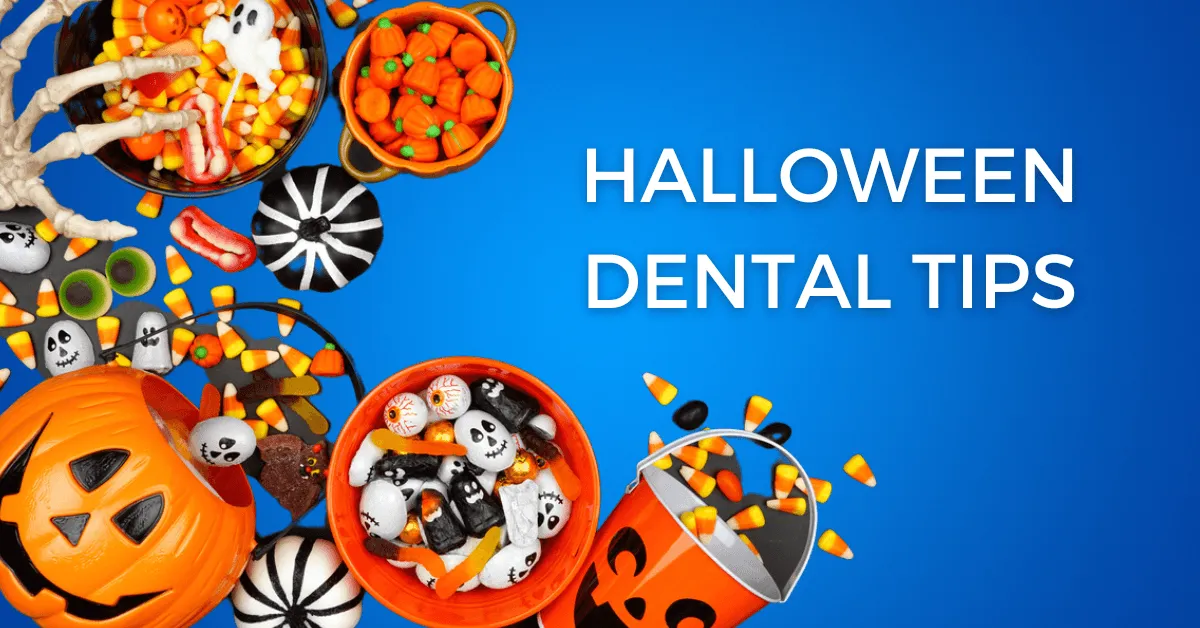
Halloween is one of the most exciting times of the year for kids dressing up in costumes, going door to door for trick-or-treating, and collecting bags full of colorful candies. But for parents, that overflowing candy stash often comes with one big concern: how to manage the sugar overload without ruining the fun.
The good news is that Halloween doesn’t have to mean cavities and dental drama. With a few smart strategies, you can help your child enjoy their treats while keeping their smile healthy and strong. This guide explores how sugar affects teeth, which candies are safer choices, and how to build better oral care habits after Halloween night.
Sugar itself isn’t what directly damages teeth it’s what happens after eating it. When kids enjoy sweets, the natural bacteria in their mouths feed on the sugar, producing acids that attack and weaken tooth enamel. Over time, these acid attacks can lead to tiny holes known as cavities.
Sticky candies like caramels, gummies, and taffy are especially harmful because they cling to the teeth for longer periods. Even with brushing, sticky residue can remain in hard-to-reach areas, providing more time for bacteria to feed and produce acids. Similarly, hard candies and lollipops that stay in the mouth for several minutes continuously expose teeth to sugar.
The key isn’t to ban candy altogether but to manage how and when it’s eaten. Allowing your child to enjoy a few treats after meals rather than snacking throughout the day can help reduce the amount of time sugar lingers in their mouth. It’s all about balance, timing, and good hygiene afterward.
Some candies are known for causing more trouble than others. Sticky sweets such as gummies, toffees, and taffy cling to tooth surfaces and get stuck in small crevices, making them difficult to clean. Hard candies and lollipops, while fun to suck on, keep sugar in contact with enamel for long stretches, increasing the risk of decay. Sour candies add another layer of risk since their high acid content wears down enamel even faster.
If your child wants to indulge, chocolate is a much better choice particularly dark chocolate. It melts quickly and rinses away easily with water or saliva, leaving less residue behind. Sugar-free candies and gum are also excellent options, as they stimulate saliva production, which helps neutralize acids and wash away leftover food particles.
Rather than forbidding certain treats, teach your child to enjoy them responsibly. Limiting the quantity and frequency of candy consumption after Halloween can dramatically reduce the risk of cavities. Encourage them to savor a few pieces instead of grazing all day long.
Instead of allowing unrestricted snacking, set a candy time each day ideally after meals. After eating, saliva flow is already increased, which helps buffer acids and wash away sugar. This approach allows kids to enjoy their sweets without prolonged exposure to harmful bacteria.
Many families find success with a candy trade-in system. Once the excitement of Halloween night fades, offer your child the option to exchange part of their candy haul for a toy, game, or special activity. This fun approach reduces sugar intake without making your child feel deprived.
Children are more likely to snack when sweets are visible. Store leftover candy in a sealed container and keep it out of easy reach. When treats are not constantly accessible, kids naturally consume less and their teeth will thank them.
After a sugar-heavy celebration like Halloween, consistent brushing becomes even more important. Encourage your child to brush at least twice a day using fluoride toothpaste. Make sure they brush for two full minutes, especially before bedtime, to remove sticky sugar residue that could sit on teeth overnight.
Candy particles often get stuck between teeth, especially when treats are chewy or sticky. Flossing once a day removes debris that brushing alone can’t reach, helping prevent cavities between the teeth and along the gum line.
If brushing isn’t possible right after enjoying candy, rinsing the mouth thoroughly with water or a fluoride mouthwash can help. This simple step helps neutralize acids and wash away sugar until proper brushing can be done.
A visit to the dentist in the weeks following Halloween is a smart preventive measure. Dental professionals can check for early signs of decay, apply fluoride treatments if needed, and reinforce proper brushing habits.
Halloween doesn’t have to revolve entirely around candy. You can hand out fun alternatives like stickers, glow sticks, pencils, or small toys items that still excite children but don’t contribute to tooth decay. These options can make your home a popular stop for parents who appreciate healthier choices.
If you’re hosting a Halloween celebration, consider including tooth-friendly snacks that keep the spooky spirit alive. Apple “monster mouths” made with peanut butter and almond slices, cheese stick “ghosts,” or fruit kabobs shaped like pumpkins are great ways to celebrate without excess sugar.
Kids are more likely to make smart choices when they understand why those choices matter. By mixing a few candy treats with healthier snacks, you teach moderation while keeping the experience fun.
Halloween offers the perfect chance to teach children about dental health in a relatable way. Explain how sugar affects teeth using simple language: bacteria eat sugar, produce acid, and that acid causes cavities. Understanding the “why” helps kids feel empowered to make better decisions.
After trick-or-treating, sit down with your child to sort their candy. Encourage them to separate their treats into two groups those they can enjoy occasionally and those best shared or donated. This activity promotes awareness and gives kids a sense of control over their choices.
Instead of focusing on restriction, emphasize balance. Celebrate moderation by acknowledging their good choices. When children associate healthy habits with positive feedback, they’re more likely to maintain them throughout the year.
Despite your best efforts, sometimes candy consumption can lead to issues like tooth pain, sensitivity, or visible chips. These are signs that your child should see a dentist as soon as possible.
Catching dental problems early can prevent serious complications. A small cavity or a minor fracture can be treated easily if detected in time. Waiting too long may result in infections, abscesses, or the need for more complex treatments.
Establishing regular visits helps children feel comfortable with dental care. When a dental emergency or pain does occur, they’ll already trust their dentist making treatment faster, smoother, and less stressful.
Good oral hygiene should continue long after Halloween ends. Brushing twice a day with fluoride toothpaste, flossing daily, and eating a balanced diet help maintain strong enamel and fresh breath. Encourage your child to drink plenty of water, especially after meals or snacks.
While Halloween is a special occasion, the real challenge is maintaining balance throughout the year. Reducing sugary drinks, sodas, and sticky treats in everyday life keeps oral bacteria in check. Small adjustments like choosing water over juice make a big difference.
Children often model their behavior after their parents. When they see you taking care of your own teeth and speaking positively about dental visits, they’re more likely to view oral health as something important and enjoyable.
Halloween doesn’t have to be a nightmare for your child’s teeth in fact, it can be a great opportunity to teach them balance, responsibility, and healthy habits that last a lifetime. While candy and sweets are an exciting part of the celebration, a few thoughtful choices can make all the difference between a fun holiday and a trip to the dentist. By setting simple candy limits, offering healthier alternatives, and maintaining consistent brushing and flossing routines, you help protect your child’s teeth from the harmful effects of sugar. Encouraging them to drink water after eating candy, brush before bedtime, and visit the dentist regularly builds habits that support strong teeth well beyond the Halloween season.
It’s also important to remember that moderation, not restriction, is the goal. When children feel included in making healthy decisions like choosing when to enjoy their candy or trading some for a small toy or activity they learn self-control and develop a positive relationship with both food and dental care. Parents play a powerful role in shaping these habits. Your guidance, encouragement, and example can show children that oral care doesn’t have to be boring or stressful it can be simple, empowering, and even fun. Something as small as brushing together after a treat or turning oral hygiene into a game helps make the experience more enjoyable for them.
April 18, 2026
Gum Recession: Causes, Prevention & Tips for Healthy GumsGum recession can lead to sensitivity and dental problems if ignored. Learn the main causes, preventive measures, and daily habits to keep your gums strong and healthy.
April 18, 2026
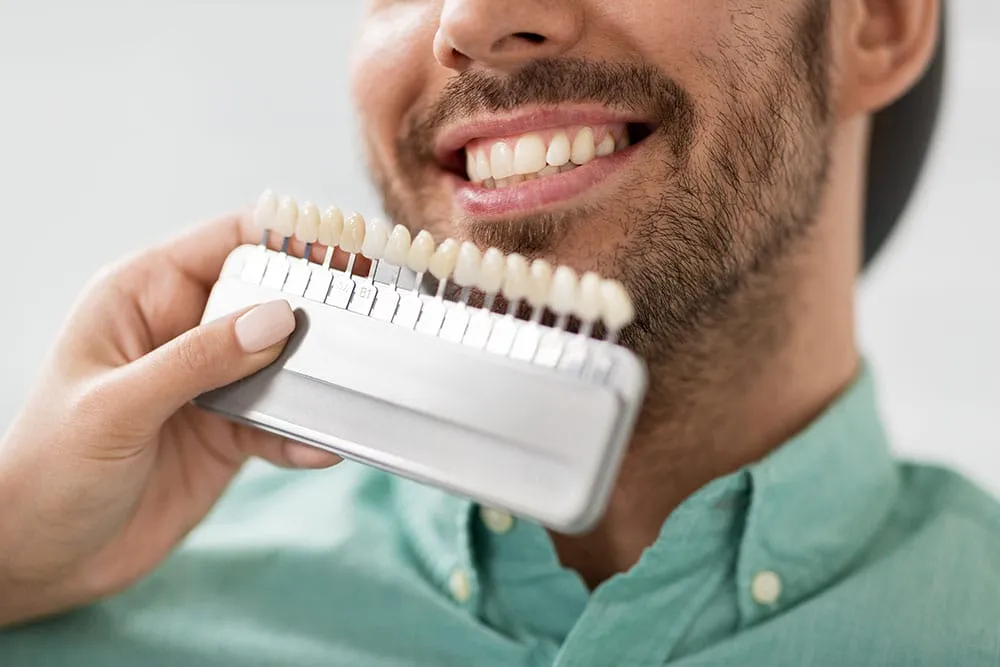
How Much Do Veneers Cost? Full Breakdown of Prices & FactorsVeneers can transform your smile, but how much do they cost? This guide provides a detailed breakdown of veneer prices, factors affecting costs, and budgeting tips for your dental makeover.
February 08, 2025

January 28, 2025

January 10, 2025

January 05, 2025

January 01, 2025
