


February 27, 2026
10 Daily Habits That Keep Your Teeth Healthy – Expert Oral Care TipsDiscover 10 simple daily habits to maintain strong, clean, and healthy teeth. Learn expert tips to prevent cavities, gum disease, and keep your smile bright.

February 27, 2026
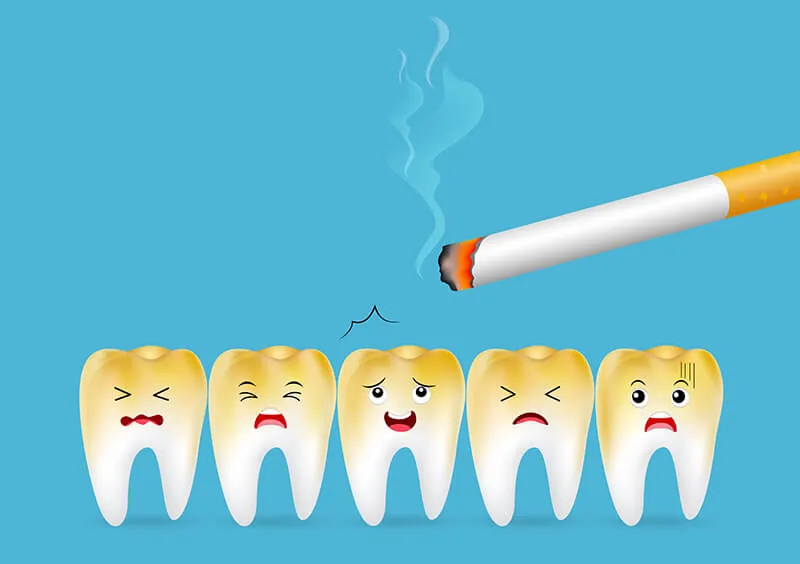
Smoking has long been associated with serious health problems such as lung disease, heart conditions, and cancer. However, its damaging effects on oral health are often ignored or underestimated. The mouth is one of the first areas exposed to tobacco smoke, allowing harmful chemicals to directly attack teeth, gums, and soft tissues. Over time, smoking causes discoloration, infection, tooth loss, and even oral cancer. Many smokers do not realize the extent of this damage until severe dental problems appear. Understanding how smoking affects your teeth and gums is essential for prevention, early treatment, and long-term oral health.
The oral cavity is a complex system that includes teeth, gums, jawbone, saliva, and soft tissues. Teeth are protected by enamel, while gums act as a barrier that holds teeth firmly in place and shields underlying bone. Saliva plays a vital role by neutralizing acids, washing away bacteria, and protecting enamel from decay. When any part of this system is weakened, oral health rapidly declines. Smoking disrupts the balance of the oral cavity by damaging tissues, reducing saliva, and impairing blood circulation. This makes the mouth more vulnerable to infection and disease.
Tobacco smoke contains thousands of harmful chemicals, many of which are toxic and cancer-causing. These substances include nicotine, tar, carbon monoxide, and heavy metals that directly damage oral tissues. When smoke enters the mouth, it coats the teeth and gums with sticky residues that promote bacterial growth. The heat from smoking also irritates and inflames sensitive oral tissues. Over time, repeated exposure leads to chronic inflammation, weakened immune response, and irreversible tissue damage. This toxic combination is the root cause of many smoking-related dental problems.
Smoking is one of the leading causes of tooth discoloration. Nicotine and tar penetrate the enamel and cling to microscopic pores on the tooth surface. This results in yellow, brown, or dark stains that worsen with continued smoking. Unlike food stains, tobacco stains are stubborn and difficult to remove with regular brushing. Over time, teeth lose their natural brightness and appear dull and unhealthy. Professional cleaning or whitening may help, but continued smoking quickly reverses these improvements.
Nicotine itself is colorless, but when it reacts with oxygen, it turns yellow and binds to enamel. Tar is naturally dark and sticks easily to teeth, forming visible stains. Smoking also roughens the enamel surface, making it easier for stains to attach and harder to remove. Reduced saliva production further allows stains to settle permanently. As a result, even good oral hygiene cannot fully prevent discoloration in smokers.
Smoking causes both extrinsic and intrinsic stains. Extrinsic stains appear on the outer surface of teeth and are often dark yellow or brown. Intrinsic stains develop deeper within the tooth structure, making them harder to treat. Long-term smoking increases the risk of intrinsic staining, which may require cosmetic procedures like veneers or crowns. These stains significantly affect smile appearance and confidence.
Bad breath is a common and persistent problem among smokers. Tobacco leaves a strong odor in the mouth that combines with bacteria to produce unpleasant smells. Smoking also dries out the mouth, reducing saliva that normally helps clean away odor-causing bacteria. Food particles linger longer, leading to bacterial breakdown and foul gases. Chronic halitosis can negatively impact social interactions and self-esteem. Unfortunately, mouthwash and mints only mask the problem temporarily.
Gum disease is one of the most serious consequences of smoking. It begins with inflammation and can progress to severe infection that destroys bone and tissue. Smokers are at much higher risk because tobacco weakens the immune system and reduces blood flow to the gums. This makes it harder for the body to fight infection and repair damage. Gum disease often progresses silently in smokers, leading to late diagnosis and severe outcomes. If untreated, it can result in tooth loss.
Gum disease is an infection of the tissues that support the teeth. It starts as gingivitis, where gums become swollen and irritated. Without treatment, it progresses to periodontitis, causing gum recession and bone loss. Advanced stages result in loose teeth and eventual tooth loss. Smoking accelerates this progression and reduces treatment success.
Smoking restricts blood vessels, limiting oxygen and nutrients to gum tissues. It also weakens immune cells that fight bacteria in the mouth. Harmful bacteria thrive in smokers, leading to deeper gum pockets and faster tissue breakdown. Additionally, smoking interferes with collagen production, which is essential for healthy gums. These combined effects make gum disease more severe and difficult to treat.
One dangerous effect of smoking is reduced gum bleeding. While bleeding gums are an early warning sign, smokers may not experience it due to restricted blood flow. This creates a false sense of oral health. By the time pain or tooth movement occurs, gum disease is often advanced. Regular dental checkups are critical for smokers.
Smoking significantly slows healing after dental procedures. Nicotine narrows blood vessels, reducing oxygen supply to healing tissues. This increases the risk of infection and complications. Smokers often experience delayed recovery after tooth extractions, gum surgery, or implants. The risk of dry socket is also higher. Poor healing can lead to treatment failure and additional dental costs.
Smoking is a leading cause of tooth loss in adults. Severe gum disease destroys the bone that holds teeth in place. Over time, teeth become loose and may fall out or require extraction. Tooth loss affects chewing, speech, facial structure, and confidence. Replacing missing teeth can be expensive and complex. Preventing tooth loss starts with quitting smoking and maintaining good oral care.
Smoking is one of the strongest risk factors for oral cancer. Cancer can develop on the tongue, lips, cheeks, gums, or throat. Tobacco chemicals damage DNA in oral cells, causing uncontrolled growth. Early symptoms may be painless and easily ignored. Late detection often leads to aggressive treatment and poor outcomes. Regular dental screenings can help detect early signs.
Smoking damages taste buds and smell receptors over time. Smokers often experience reduced ability to taste food or enjoy flavors. This may lead to increased consumption of sugary or salty foods, which further harms teeth. Loss of taste can also reduce appetite and nutrition. Quitting smoking allows taste and smell to gradually recover.
Smoking reduces saliva flow and alters its protective properties. Saliva is essential for washing away bacteria and neutralizing acids. Dry mouth increases the risk of cavities, gum disease, and infections. Smokers may also experience mouth sores and discomfort. Staying hydrated helps, but quitting smoking is the most effective solution.
Smokers develop plaque and tartar more quickly than non-smokers. Reduced saliva and increased bacteria contribute to rapid buildup. Tartar irritates gums and makes cleaning more difficult. Professional dental cleanings are essential to control this buildup. Without treatment, plaque leads to cavities and periodontal disease.
Smoking causes gums to pull away from teeth, exposing sensitive roots. This condition increases sensitivity and risk of decay. Gum recession also affects smile appearance and tooth stability. Once gums recede, they do not grow back naturally. Treatment focuses on preventing further damage.
Many people believe vaping or chewing tobacco is safer than smoking. However, these products still deliver nicotine and harmful chemicals to the mouth. Vaping causes dry mouth and inflammation, while smokeless tobacco directly damages gums and increases cancer risk. No form of tobacco is safe for oral health. Quitting all tobacco products is the best choice.
Quitting smoking leads to noticeable oral health improvements. Blood flow to gums increases, allowing better healing and reduced inflammation. The risk of gum disease progression decreases significantly. Taste and smell improve within weeks. Long-term benefits include lower cancer risk and better dental treatment outcomes. It is never too late to quit.
Smokers should maintain strict oral hygiene routines. Brushing twice daily, flossing, and using mouthwash are essential. Regular dental visits help detect problems early. Drinking water and chewing sugar-free gum can reduce dry mouth. Seeking professional help to quit smoking provides the greatest long-term benefit.
Smoking has devastating effects on teeth and gums, impacting appearance, function, and overall health. It increases the risk of gum disease, tooth loss, oral cancer, and delayed healing. Many of these effects are preventable with early intervention and smoking cessation. Quitting smoking significantly improves oral health and quality of life. Protecting your smile starts with informed choices and consistent dental care.
Yes, long-term smoking can cause irreversible gum recession, bone loss, and tooth loss.
Yes, quitting improves blood flow, reduces inflammation, and slows gum disease progression.
No, vaping still harms gums and causes dry mouth and inflammation.
Smoking restricts blood flow, masking bleeding a key warning sign of gum disease.
Smokers should visit the dentist every 3–4 months for cleanings and checkups.
February 27, 2026
10 Daily Habits That Keep Your Teeth Healthy – Expert Oral Care TipsDiscover 10 simple daily habits to maintain strong, clean, and healthy teeth. Learn expert tips to prevent cavities, gum disease, and keep your smile bright.
February 27, 2026
Porcelain Veneers Explained: How They Create a Perfect SmileLearn what porcelain veneers are, how they work, and how they enhance your smile by correcting stains, chips, gaps, and uneven teeth.
February 08, 2025

January 28, 2025

January 10, 2025

January 05, 2025

January 01, 2025
