


April 20, 2026
How to Make Your Teeth Whitening Results Last Longer – Expert TipsLearn how to make your teeth whitening results last longer with expert-approved habits. Discover what to avoid and how to maintain a bright smile every day.

April 20, 2026
A smile makeover is a comprehensive dental transformation that combines cosmetic and restorative procedures to enhance the appearance of teeth, gums, and the overall smile. It can boost confidence, improve facial aesthetics, and sometimes even oral function. One of the most common questions patients ask is about how long the process takes. The timeline varies depending on the types of procedures, the complexity of the case, and the patient’s oral health. Knowing what factors influence duration helps patients plan effectively. This article will explore each step, procedure, and recovery stage to give a complete overview of smile makeover timelines.
A smile makeover is a customized set of dental procedures designed to improve a person’s smile both cosmetically and functionally. It includes treatments that whiten, align, repair, or replace teeth to achieve a balanced and attractive appearance. The purpose is not only cosmetic enhancement but also to restore oral health and functionality. Each plan is personalized based on the patient’s dental condition, aesthetic goals, and lifestyle. It combines multiple treatments to create a comprehensive solution rather than addressing individual issues separately. Understanding this foundation helps patients set realistic expectations.
Patients often pursue a smile makeover to address discoloration, gaps, chipped or broken teeth, misalignment, and missing teeth. Cosmetic goals may include achieving a brighter, straighter, and more symmetrical smile. Some patients also aim to improve their bite or restore worn teeth. The combination of goals determines which procedures will be used. Functional improvements, such as restoring chewing efficiency, may also be part of the plan. Ultimately, the goal is to create a smile that complements the facial features while boosting confidence.
Every smile makeover is unique, tailored to the patient’s specific needs, budget, and desired results. Dentists consider oral health, facial structure, age, and lifestyle habits before finalizing a plan. Personalization ensures that treatments are not only effective but also sustainable over time. It also helps in determining the appropriate sequence and duration of procedures. The dentist works with the patient to balance aesthetics, function, and durability. This customization ensures the smile makeover aligns with the patient’s expectations.
Teeth Whitening:
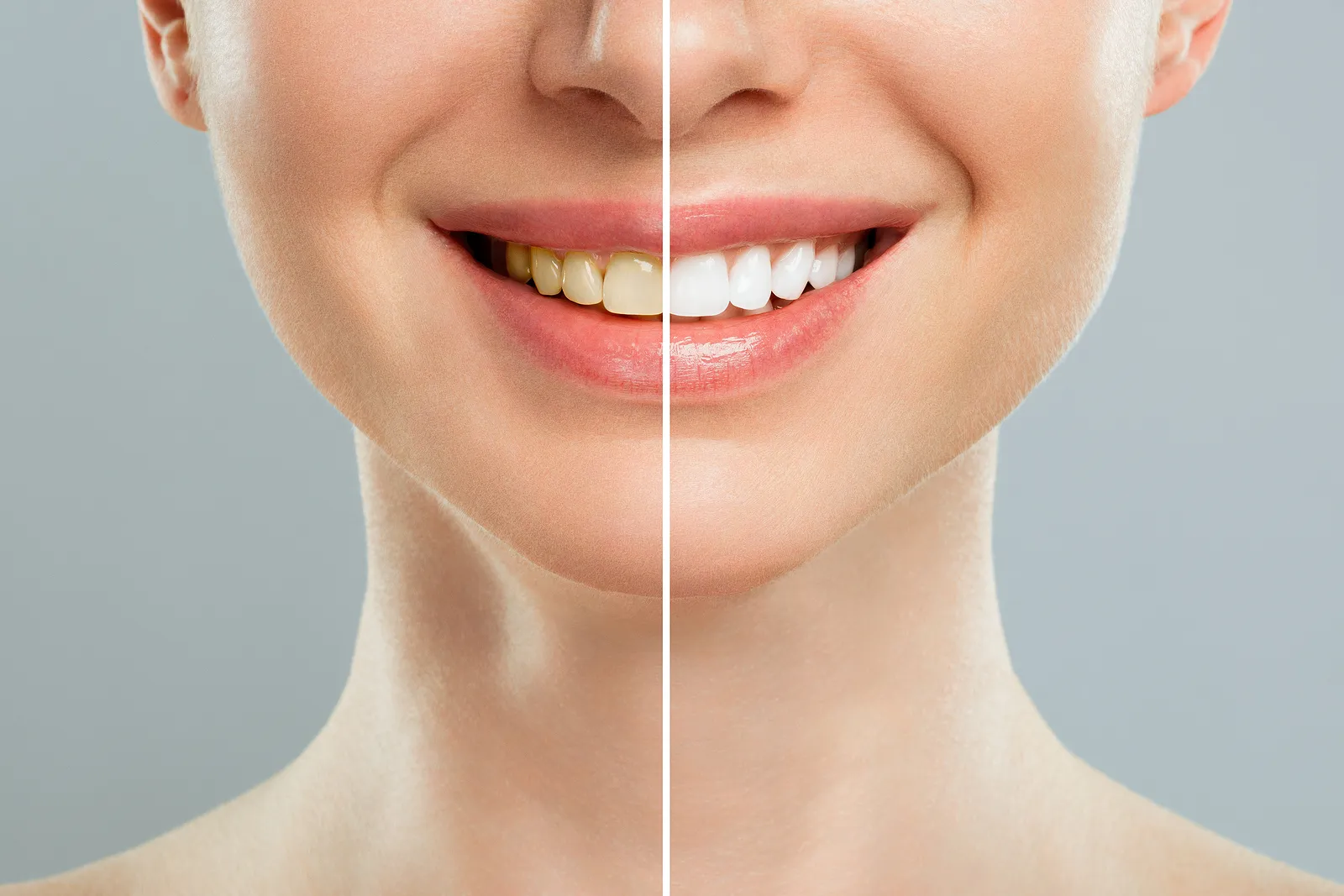
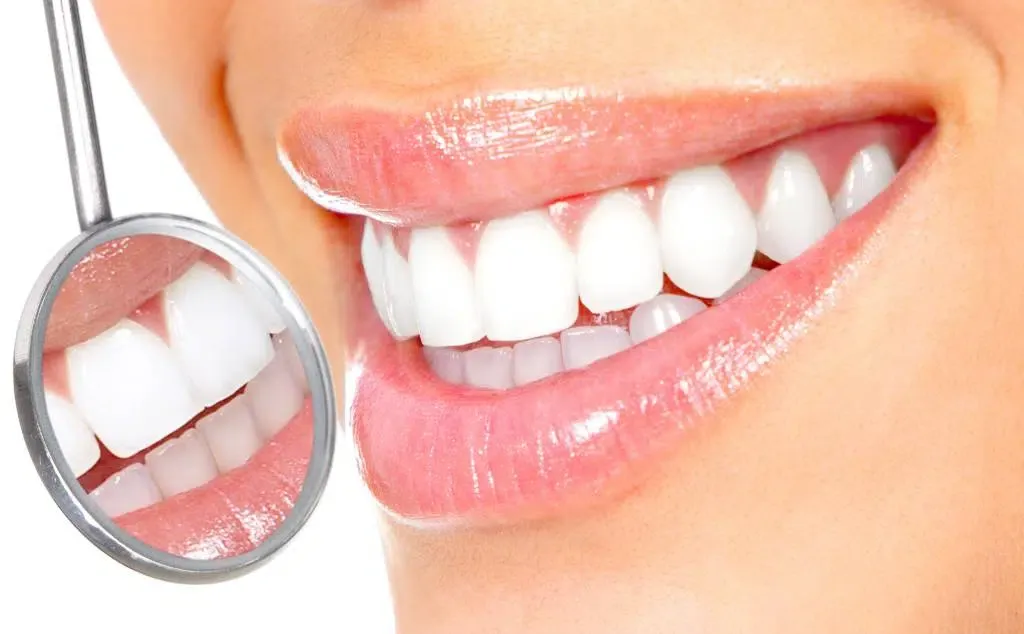
Teeth whitening removes stains and discoloration, providing a brighter and more uniform smile. It can be performed in-office for fast results or with take-home kits over several days. Whitening is typically the first step in a smile makeover to set a bright foundation for other procedures. The procedure is non-invasive and usually pain-free. Effects vary depending on the patient’s diet and oral habits. It provides immediate aesthetic improvement that complements further dental work.
Veneers:
Veneers are thin porcelain or composite shells bonded to the front of teeth to correct imperfections. They improve shape, size, color, and alignment, creating a natural, aesthetically pleasing appearance. The process requires tooth preparation, impressions, and laboratory work before placement. Veneers are long-lasting and durable when properly maintained. They are ideal for patients with multiple cosmetic concerns. Placement timing depends on lab work and coordination with other procedures.
Crowns and Bridges:
Crowns restore severely damaged or decayed teeth, while bridges replace missing teeth by anchoring to adjacent teeth. These restorations improve chewing, speaking, and overall smile aesthetics. Treatment usually involves multiple appointments for preparation, impressions, temporary restoration, and final placement. Crowns and bridges can significantly enhance oral function and appearance. They are often combined with other cosmetic treatments for a complete smile makeover. Maintenance and proper oral hygiene are essential for longevity.
Dental Implants:
Dental Implants are permanent solutions for missing teeth, involving surgical placement into the jawbone. After placement, the implant must integrate with the bone over several months before the crown is attached. Implants restore both appearance and function, making them a durable solution. Healing time varies depending on bone quality and any additional procedures like grafting. Implants often take longer than veneers or crowns but offer long-term benefits. Careful planning ensures optimal aesthetics and function.
Bonding and Contouring:
Bonding involves applying tooth-colored resin to correct chips, gaps, or minor imperfections. Contouring reshapes teeth for better symmetry and alignment. Both are quick, minimally invasive procedures, often completed in a single visit. Recovery is minimal, and results are immediate. These treatments are ideal for minor corrections and complement other cosmetic procedures. Touch-ups may be required over time to maintain the results.
Orthodontics:
Braces or clear aligners correct misaligned teeth and bite issues. Treatment duration varies from several months to a few years depending on severity. Orthodontics is often a prerequisite for veneers or crowns to ensure proper alignment. Regular adjustments or aligner changes are necessary throughout treatment. Orthodontics not only improves aesthetics but also oral function. Compliance with instructions is critical for timely results.
Oral Health Condition
Pre-existing issues such as cavities, gum disease, or infections can delay the start of cosmetic procedures. Healthy teeth and gums are essential for fast and safe treatment. Sometimes, preliminary restorative procedures are required before starting cosmetic work. Untreated conditions can extend the overall timeline and affect results. A thorough oral evaluation ensures readiness for a smile makeover. Addressing oral health first reduces complications and improves long-term outcomes.
Complexity of Procedures
Simple treatments like whitening may take only a day or two, whereas full reconstructions or multiple implants require months. Complex cases often involve sequencing multiple treatments in stages. The more procedures required, the longer the overall duration. Each procedure has unique healing or preparation requirements. Complexity also affects scheduling and coordination among dental specialists. Understanding procedure complexity helps patients plan realistically.
Patient Compliance
Following dentist instructions, attending scheduled appointments, and maintaining oral hygiene directly affect treatment efficiency. Missing appointments or ignoring post-treatment care can delay results. Patients who follow guidance experience smoother, faster progress. Compliance also ensures better outcomes and longevity of restorations. Dentists often provide personalized care instructions to optimize timelines. Commitment from the patient is critical for achieving desired results efficiently.
Dentist’s Expertise and Technology
Experienced dentists and modern technology can reduce treatment time significantly. Digital imaging, CAD/CAM restorations, and laser dentistry speed up procedures while increasing accuracy. Advanced techniques minimize discomfort and recovery periods. Expertise ensures correct sequencing and fewer complications. Patients benefit from reduced visits and more predictable results. Choosing a qualified dentist with advanced tools can shorten the overall smile makeover duration.
Healing and Overall Health
Individual healing ability impacts surgical procedures such as implants or gum treatments. Patients with slow healing due to age, systemic conditions, or lifestyle factors may require extra recovery time. Healing affects both procedure completion and final results. Adequate nutrition, oral hygiene, and rest support optimal recovery. Understanding personal health factors helps in realistic timeline expectations. Dentists assess health to customize treatment duration accordingly.
Initial Evaluation
Dentists perform a thorough assessment of teeth, gums, bite, and oral structure. This evaluation identifies existing issues and helps create a treatment roadmap.
Treatment Planning
A customized plan is created, detailing required procedures, sequence, and expected timeline for each step.
3D Imaging and Smile Simulation
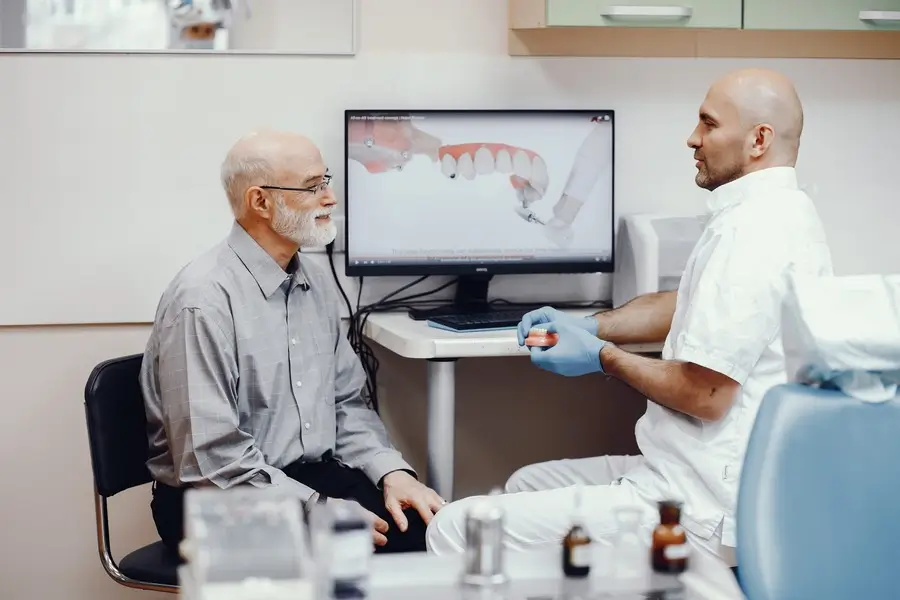
Advanced imaging tools allow patients to visualize their potential results and understand treatment steps.
Cost Discussion
Financial planning, insurance options, and payment plans are discussed upfront to avoid surprises.
In-Office Whitening
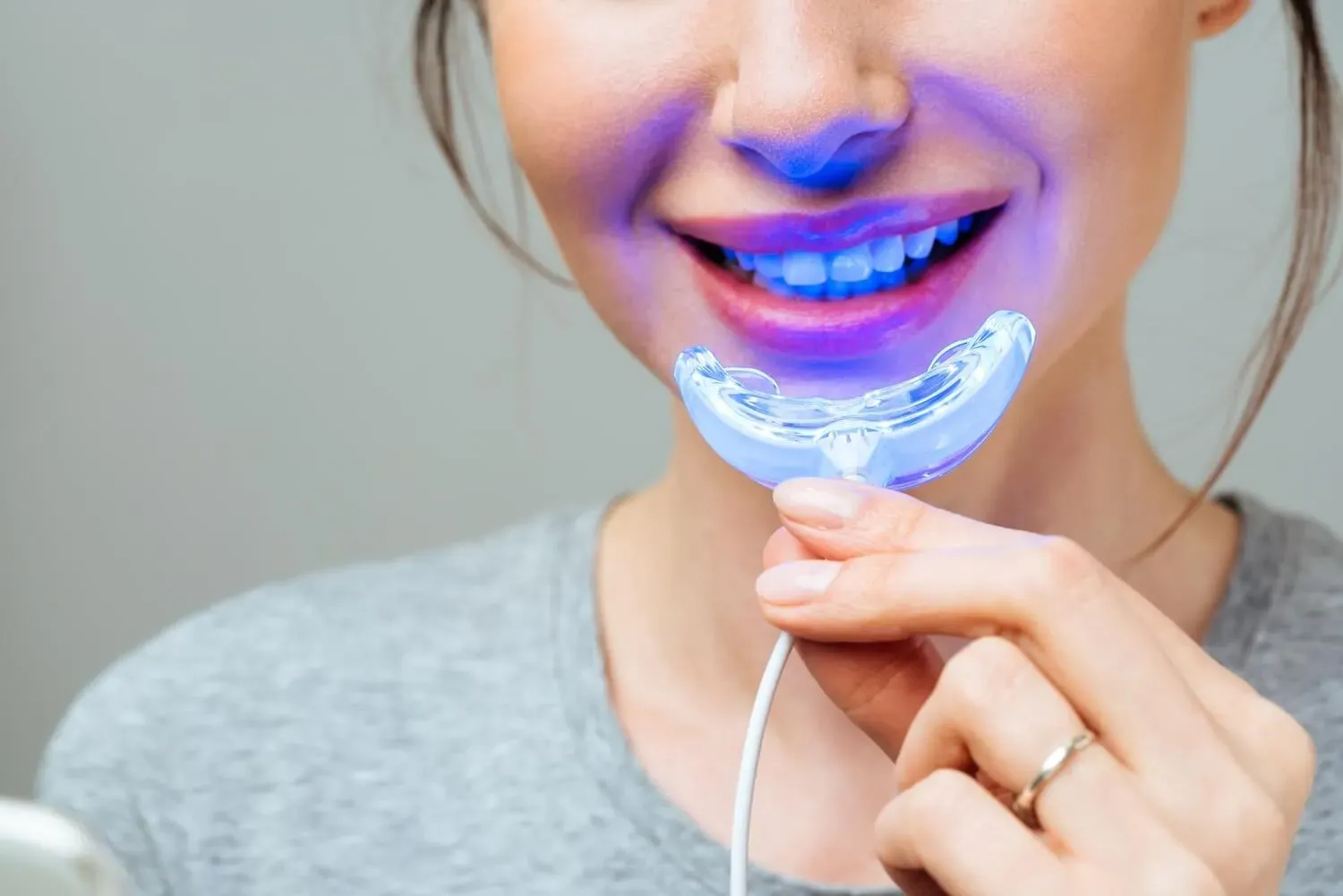
Typically completed in 1–2 sessions, lasting 30–60 minutes each, providing immediate results.
Take-Home Kits
Require 1–2 weeks for full results and rely on patient consistency and adherence to instructions.
Expected Outcomes
Immediate brightening occurs with in-office whitening, while gradual improvement is seen with take-home kits. Touch-ups may be needed for longevity.

Veneers
Usually completed in 2–4 weeks, including consultation, tooth preparation, lab work, and final placement.
Crowns
Typically take 2–3 weeks for impressions, temporary placement, and final restoration.
Temporary Restorations
Temporary crowns or veneers protect teeth during lab fabrication and must be handled carefully.
Surgical Placement
Implants are surgically placed and require 1–2 hours per tooth.
Healing Period
Osseointegration takes 3–6 months before attaching the permanent crown.
Final Restoration
Crowns, bridges, or dentures are placed after healing for functional and aesthetic restoration.
Factors Affecting Time
Bone density, grafting, and individual healing rates can extend timelines.
Braces
Typically require 12–24 months depending on severity and complexity.
Clear Aligners
Usually take 6–18 months, requiring patient compliance with wear schedules.
Follow-Up Appointments
Regular visits are essential to monitor progress and make adjustments.
Procedure Duration
Completed in a single visit, 30–60 minutes per tooth, with immediate results.
Recovery and Longevity
Minimal recovery is required, but touch-ups may be needed over time to maintain appearance.
Treatment Order
Certain procedures must precede others, like orthodontics before veneers or implants.
Combining Procedures
Strategically combining treatments can reduce overall time, while staged approaches may suit patient comfort or budget.
Planning for Optimal Results
Dentists carefully plan sequences to ensure safety, effectiveness, and aesthetic harmony.
Short-Term Recovery
Swelling or sensitivity may occur after cosmetic or surgical procedures but usually resolves quickly.
Long-Term Care
Good oral hygiene, regular dental visits, and avoiding harmful habits maintain results.
Longevity of Smile Makeover
Proper maintenance prolongs restorations and cosmetic improvements for many years.
Oral Health Stability
Healthy teeth and gums are essential before starting cosmetic procedures.
Commitment to Treatment
Patients should be ready to follow care instructions and attend all appointments.
Financial Preparedness
Understanding costs, insurance coverage, and payment plans is important.
Clear Aesthetic Goals
Knowing your desired smile helps dentists plan and execute treatment effectively.
The duration of a smile makeover varies depending on procedure complexity, oral health, and patient-specific factors. Some cosmetic treatments can be done in a single visit, whereas full restorations or orthodontics may take months. Careful planning, compliance, and maintenance ensure long-lasting results. A personalized plan with a qualified dentist helps set realistic timelines and expectations. A well-executed smile makeover not only enhances appearance but also improves confidence and oral health.
April 20, 2026
How to Make Your Teeth Whitening Results Last Longer – Expert TipsLearn how to make your teeth whitening results last longer with expert-approved habits. Discover what to avoid and how to maintain a bright smile every day.
April 20, 2026
How Fluoride Protects Your Child’s Teeth – Benefits & TipsDiscover how fluoride strengthens your child’s teeth, prevents cavities, and promotes long-term oral health. Learn safe ways to use fluoride daily.
February 08, 2025

January 28, 2025

January 10, 2025

January 05, 2025

January 01, 2025
