


March 01, 2026
Dental Hygiene Tips for Kids Ages 5–10 | Healthy SmilesHelp kids ages 5–10 build strong oral habits with easy dental hygiene tips that prevent cavities and support lifelong healthy smiles.

March 01, 2026
Sugar is one of the most widely consumed ingredients in modern diets, appearing in everything from soft drinks and candies to baked goods and sauces. While it gives a quick burst of energy and satisfies cravings, excessive sugar intake can severely harm dental health. Many people do not realize the gradual damage sugar inflicts on teeth and gums until problems become severe. Issues such as cavities, enamel erosion, gum disease, and tooth loss are all linked to high sugar consumption. Understanding how sugar interacts with teeth is crucial for preventing these problems. This article explores the science behind sugar-related dental issues and offers practical ways to protect your oral health.
When sugar enters your mouth, it doesn’t remain harmless. It interacts with the bacteria that naturally live in your mouth, which feed on sugar and produce acids as a byproduct. These acids attack the tooth enamel, the hard outer layer protecting your teeth, causing demineralization. Over time, repeated acid exposure weakens the enamel, making teeth more prone to cavities and sensitivity. By understanding this chemical process, you can see why frequent sugar intake without proper oral care is so damaging. Knowledge of this process also highlights the importance of timely dental care and preventive practices.
Sugar serves as a food source for oral bacteria. When these bacteria digest sugar, they release acids that erode tooth enamel. This process, known as demineralization, gradually weakens teeth and creates tiny holes that can expand into cavities. The more sugar present, the more acid is produced, and the higher the risk of enamel damage. Sticky or refined sugars linger on teeth longer, prolonging acid attacks. This is why sugary snacks and drinks are particularly harmful to dental health. Understanding this mechanism emphasizes the importance of minimizing sugar exposure and maintaining oral hygiene.
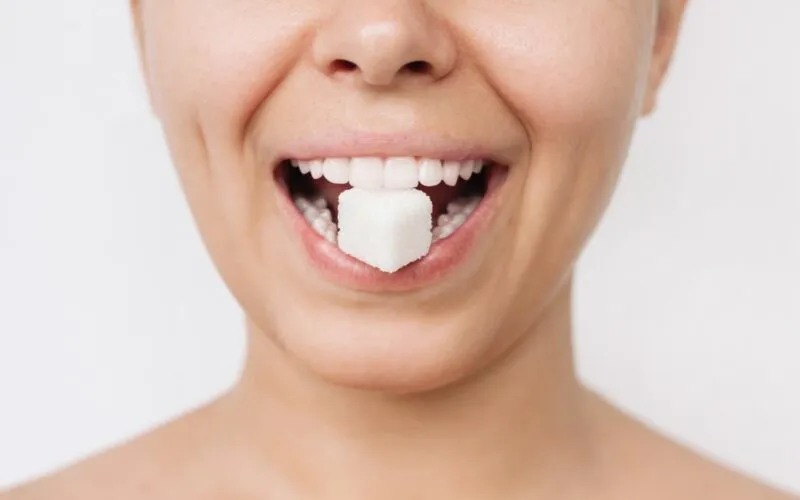
Different types of sugar affect teeth in varying degrees. Sucrose, or table sugar, is highly cariogenic and found in candies and desserts. Glucose and fructose, naturally present in fruits, are less harmful due to fiber and water content that help cleanse teeth. High-fructose corn syrup, common in sodas and processed foods, is sticky and increases acid exposure. While natural sugars in fruits are generally safer, excessive consumption can still be damaging if oral hygiene is neglected. Being aware of the type of sugar you consume helps in making smarter dietary choices. Limiting refined and sticky sugars is essential for long-term oral health.
Sugar is the primary cause of cavities and tooth decay. When bacteria feed on sugar, they create acids that demineralize enamel. If this process continues without intervention, small white spots appear, eventually forming cavities. Cavities can progress to deeper layers of the tooth, causing pain and infection. Sugar consumption also promotes plaque formation, which harbors bacteria and worsens decay. Understanding this process underscores why sugar moderation and proper oral care are critical for maintaining healthy teeth.
Plaque is a sticky film composed of bacteria, saliva, and food debris that accumulates on teeth. Sugar accelerates plaque formation because it provides bacteria with the fuel they need to multiply. Plaque adheres to teeth, especially in hard-to-reach areas like between teeth and along the gumline. If left untreated, plaque hardens into tartar, which cannot be removed with regular brushing. The acids produced by bacteria within plaque erode enamel and irritate gums, leading to decay and gum disease. Regular brushing, flossing, and dental cleanings are crucial to prevent plaque buildup.
Demineralization occurs when acids from bacterial activity dissolve essential minerals in tooth enamel. Repeated demineralization weakens enamel, making teeth more sensitive and prone to cavities. Enamel erosion is irreversible, exposing the softer dentin beneath, which increases tooth sensitivity and the risk of further decay. Acidic foods and beverages can accelerate enamel erosion. Fluoride and remineralizing treatments help counteract early enamel loss. Protecting enamel through proper oral care and reducing sugar intake is vital for long-term dental health.
Cavities are permanent holes formed when enamel is destroyed by acid. If untreated, decay progresses to the dentin and pulp, causing pain and potentially leading to infection or tooth loss. Cavities are more likely in people with frequent sugar intake, poor oral hygiene, or inadequate fluoride exposure. Treatment may involve fillings, crowns, or root canals depending on severity. Early detection through regular dental visits is essential to prevent complications. Understanding the link between sugar and cavities motivates better dietary and oral hygiene habits.
Excess sugar also affects the gums, not just the teeth. Plaque buildup along the gumline irritates tissue, leading to inflammation and gingivitis. Gingivitis is characterized by redness, swelling, and bleeding while brushing or flossing. If untreated, it can progress to periodontitis, a severe gum infection that can destroy bone and result in tooth loss. Sugar’s role in promoting plaque and bacterial growth makes it a key contributor to gum disease. Maintaining proper oral hygiene and limiting sugar intake protects both teeth and gums.
Sugar is often hidden in everyday foods that do not taste overly sweet. Many people consume sugar unknowingly through flavored yogurts, sauces, cereals, and processed snacks. Beverages like fruit juices and energy drinks are also major sugar sources. Awareness of these hidden sugars is crucial for controlling total intake. Reading labels and choosing low-sugar or sugar-free alternatives helps reduce the risk of dental problems. Educating yourself about hidden sugars empowers better dietary decisions.
The frequency of sugar consumption can be more harmful than the total amount. Frequent snacking exposes teeth to repeated acid attacks, which do more damage than occasional sugary meals. Even small amounts of sugar consumed throughout the day keep the mouth acidic, preventing enamel from fully recovering. Limiting sugar intake to meal times reduces the risk of decay. Understanding the importance of frequency emphasizes mindful eating habits. Balancing sugar consumption with proper oral care is key to preventing damage.
Early warning signs of sugar-related dental issues include white spots on teeth, sensitivity to hot or cold foods, and pain when chewing. Red, swollen, or bleeding gums may indicate early gum disease. Persistent bad breath is another sign of bacterial activity fueled by sugar. Detecting these symptoms early allows for prompt dental intervention. Regular dental checkups are essential to identify and address issues before they worsen. Being alert to these signs can prevent long-term damage.
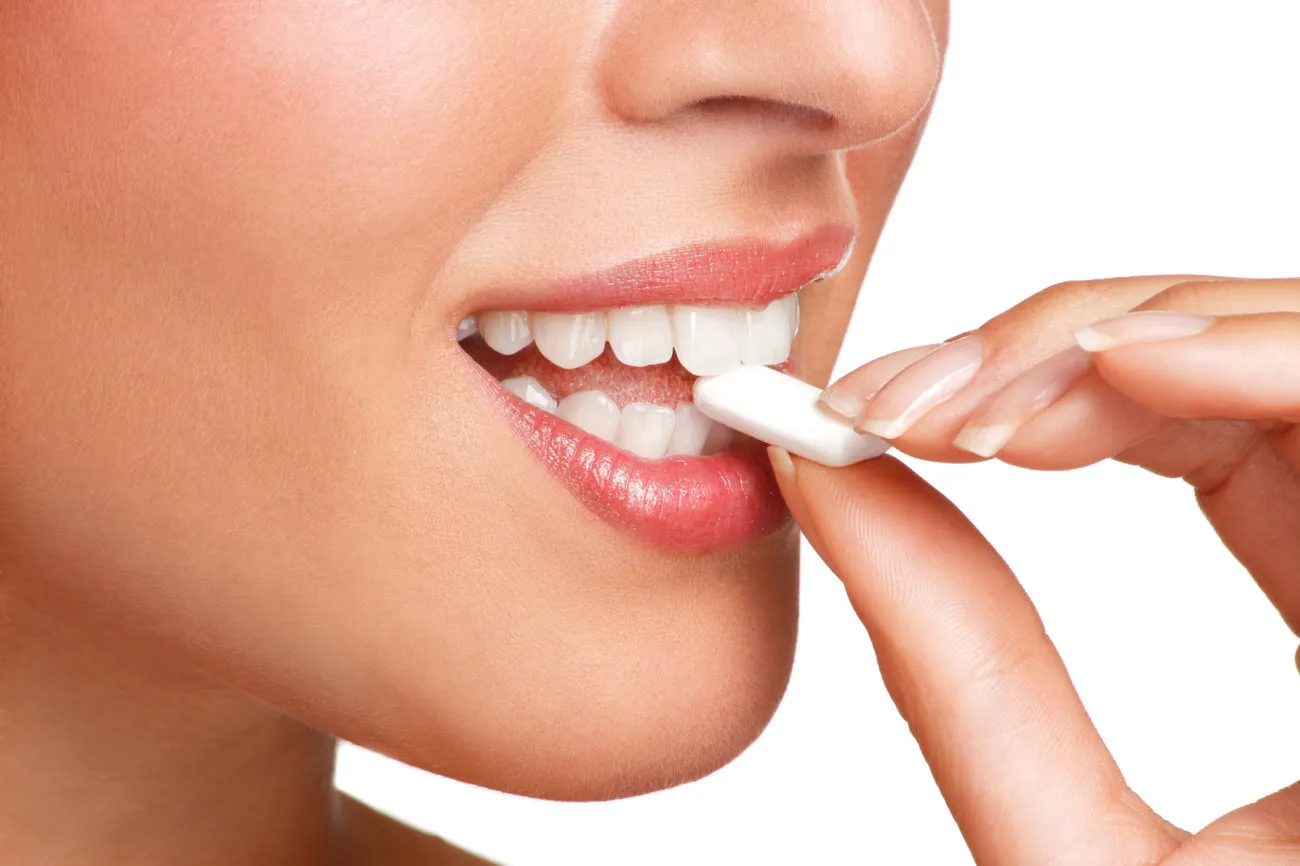
Brushing and flossing are the cornerstone of fighting sugar-related tooth damage. Brushing twice daily with fluoride toothpaste removes plaque and neutralizes acids. Flossing removes trapped food particles between teeth, reducing bacterial growth. Fluoride strengthens enamel and helps reverse early demineralization. Limiting sugary foods, rinsing after eating sweets, and chewing sugar-free gum also help protect teeth. Regular dental visits provide professional cleaning and early treatment of any damage.
Brushing twice daily ensures that plaque and acids are removed from tooth surfaces. Using fluoride toothpaste strengthens enamel and prevents early decay. Flossing once a day cleans between teeth where toothbrushes cannot reach. Electric toothbrushes can be more effective in plaque removal. Proper brushing and flossing habits are crucial for preventing cavities and gum disease. Combining these practices with diet management provides a comprehensive defense against sugar damage.
Fluoride is a mineral that reinforces enamel and aids in remineralization. Using fluoride toothpaste and mouth rinses helps repair early damage from acid attacks. Professional fluoride treatments at the dentist provide stronger protection, especially for high-risk patients. Fluoride also inhibits bacterial growth, reducing the likelihood of cavities. Children benefit significantly from fluoride treatments for stronger developing teeth. Incorporating fluoride into daily dental care is a key strategy against sugar-related decay.
Reducing the consumption of soft drinks, candies, and baked goods lowers the risk of cavities. Eating sugar with meals rather than as a snack reduces the frequency of acid attacks. Choosing natural sugars from fruits over processed sugar is a healthier option. Gradually adjusting your diet helps break sugar cravings and protect teeth. Being mindful of both visible and hidden sugars is essential for oral health. Small, consistent dietary changes have a long-term positive impact on teeth.
Rinsing your mouth with water after consuming sugar helps wash away food particles and acids. Chewing sugar-free gum stimulates saliva production, which naturally neutralizes acids and aids remineralization. Saliva acts as a protective barrier against bacterial damage. Sugar-free gums often contain xylitol, which reduces cavity-causing bacteria. These simple habits complement brushing and flossing for enhanced oral protection. Incorporating rinsing and chewing gum into your routine is an easy yet effective strategy.
Routine dental checkups allow for early detection of cavities, gum disease, and enamel erosion. Professional cleanings remove plaque and tartar that cannot be addressed at home. Dentists can apply sealants and fluoride treatments for extra protection. Regular visits also provide guidance on diet, oral hygiene, and sugar management. Early intervention saves time, money, and discomfort from severe dental problems. Visiting the dentist twice a year is a proactive step in maintaining oral health.
A balanced diet supports strong teeth and healthy gums. Dairy products like cheese and yogurt provide calcium, which strengthens enamel. Leafy greens supply essential vitamins for gum health, while nuts provide magnesium and phosphorus for strong teeth. Drinking water helps wash away sugars and maintain hydration, which supports saliva production. Avoiding excessive sugary foods and drinks complements nutrient-rich choices for overall dental well-being. Diet and hygiene together form the foundation of a healthy smile.
Sugar alternatives like stevia, xylitol, and erythritol provide sweetness without feeding harmful bacteria. Xylitol, in particular, has been shown to reduce cavity formation and inhibit bacterial growth. Natural sweeteners such as honey or maple syrup are healthier than refined sugar but should still be used in moderation. Choosing sugar-free products can help reduce overall sugar exposure. These alternatives are particularly beneficial for children and individuals prone to cavities. Incorporating them wisely supports oral health without sacrificing taste.
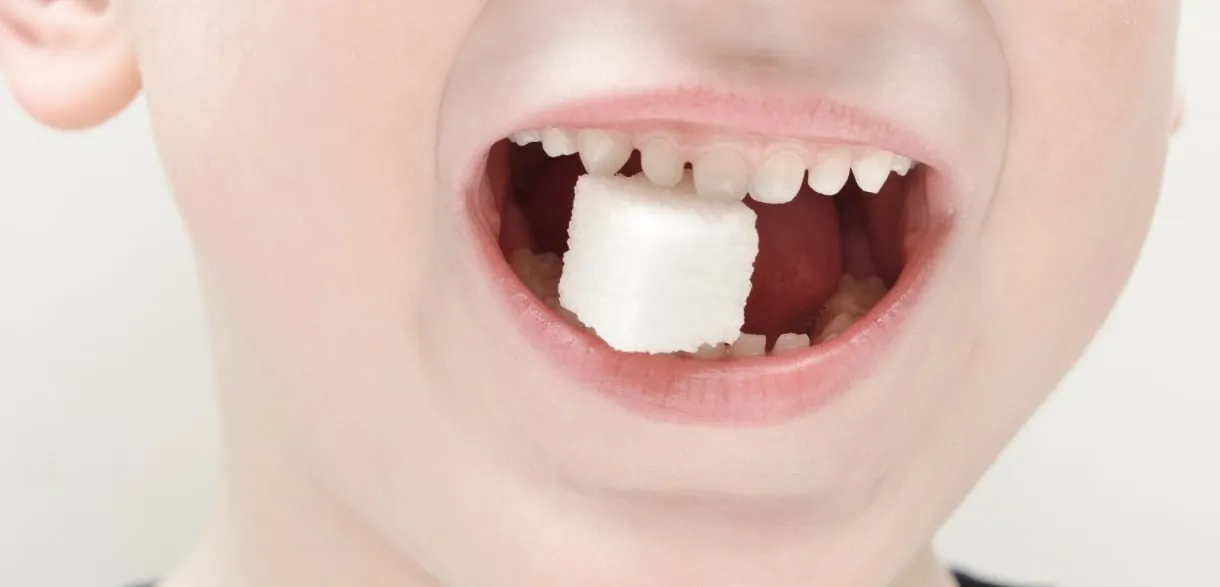
Children’s teeth are more vulnerable to sugar because their enamel is softer and less resistant to acid. Limiting candies, soft drinks, and sugary snacks helps prevent early cavities. Teaching children to brush and floss regularly establishes healthy habits. Avoiding bedtime bottles containing sugary drinks prevents prolonged sugar exposure. Educating children about sugar’s effect on teeth encourages lifelong oral care practices. Protecting young teeth is an investment in long-term dental health.
Excessive sugar can contribute to multiple dental issues beyond cavities. Enamel erosion can lead to increased tooth sensitivity. Gum inflammation from plaque buildup can cause bad breath. Untreated gum disease may result in tooth loss and systemic health complications. Understanding these connections emphasizes the broader impact of sugar on oral health. Maintaining low sugar intake and proper dental hygiene helps prevent these cascading problems.
Many misconceptions exist regarding sugar and oral health. Not only candy but any sugary food can contribute to cavities. Brushing once a day is insufficient for protecting teeth. Diet sodas, despite being sugar-free, contain acids that erode enamel. Debunking these myths helps people make informed decisions about sugar consumption. Awareness and education are key to effective oral health strategies. Correct knowledge encourages better habits and reduces preventable dental damage.
Sugar cravings are often influenced by stress, habits, and emotional triggers. Stress eating or habitual snacking increases sugar exposure and cavity risk. Planning balanced meals and snacks can reduce reliance on sugary foods. Mindful eating and stress management strategies help control sugar intake. Awareness of lifestyle factors is crucial for maintaining dental health. Integrating psychological insight with practical habits creates a sustainable approach to oral care.
Modern dental products offer advanced protection against sugar-related damage. Fluoride varnishes and gels reinforce enamel, while dental sealants protect molars from decay. Remineralizing toothpastes supply essential minerals to repair early enamel loss. Smart toothbrushes track brushing habits and ensure thorough cleaning. These products complement traditional oral hygiene practices for optimal results. Using innovation alongside good habits strengthens teeth against sugar attacks.
Neglecting the impact of sugar can result in chronic cavities, gum disease, and tooth loss. Severe dental issues often lead to costly treatments such as root canals or implants. Poor oral health can affect self-esteem, nutrition, and even systemic health. Early prevention reduces both financial and physical burdens. Understanding the long-term consequences motivates consistent oral care. Protecting teeth today ensures a lifetime of healthy smiles.
Sugar, though enjoyable, poses serious risks to dental health. The acids produced when bacteria digest sugar erode enamel, cause cavities, and contribute to gum disease. Fortunately, with proper oral hygiene, diet management, and regular dental visits, you can minimize these risks. Brushing, flossing, fluoride use, and mindful sugar consumption form a comprehensive defense. Protecting your teeth preserves not only oral health but also confidence and overall well-being. Taking action today ensures a strong, healthy smile for years to come.

March 01, 2026
Dental Hygiene Tips for Kids Ages 5–10 | Healthy SmilesHelp kids ages 5–10 build strong oral habits with easy dental hygiene tips that prevent cavities and support lifelong healthy smiles.

March 01, 2026
Is a Smile Makeover Worth It? Benefits, Costs & ResultsConsidering a smile makeover? Explore the benefits, costs, longevity, and whether cosmetic dentistry is truly worth the investment.

February 08, 2025

January 28, 2025

January 10, 2025

January 05, 2025

January 01, 2025
