


February 26, 2026
How Sugar Affects Your Teeth | Prevent Cavities & DecayLearn how sugar damages your teeth, causes cavities, and discover practical ways to protect your enamel and oral health.

February 26, 2026
A smile is one of the first things people notice about us. It communicates confidence, warmth, and personality. However, not everyone feels proud of their smile due to issues like discoloration, misalignment, chipped teeth, or missing teeth. Cosmetic dentistry has evolved tremendously, offering solutions like smile makeovers that can completely transform a person’s appearance and self-esteem. But the question remains: Is a smile makeover worth it? This article explores the benefits, processes, costs, risks, and emotional impact of smile makeovers to help you make an informed decision.
A smile makeover is a comprehensive dental procedure designed to enhance both the aesthetics and functionality of your smile. Unlike routine dental care, which primarily addresses oral health issues, smile makeovers focus on cosmetic improvements while also correcting structural or functional concerns. These makeovers are highly personalized, combining treatments like teeth whitening, veneers, dental crowns, and orthodontics based on the patient’s unique needs. Modern dentistry allows dentists to use digital simulations to visualize results, helping patients make informed decisions. A successful smile makeover balances appearance, functionality, and overall oral health. Ultimately, it is an investment in both beauty and confidence.
Individuals seek smile makeovers for a variety of reasons, often motivated by emotional and social factors. One major reason is self-esteem; imperfections like discolored, chipped, or misaligned teeth can make people self-conscious in personal and professional interactions. Aging also plays a role, as teeth naturally yellow and wear down over time, creating a desire for a rejuvenated appearance. Some pursue makeovers to improve oral functionality, including better chewing and speech. Additionally, a radiant smile can positively affect first impressions, enhancing career and social opportunities. Overall, personal motivation and life goals largely determine the decision to undergo a smile makeover.
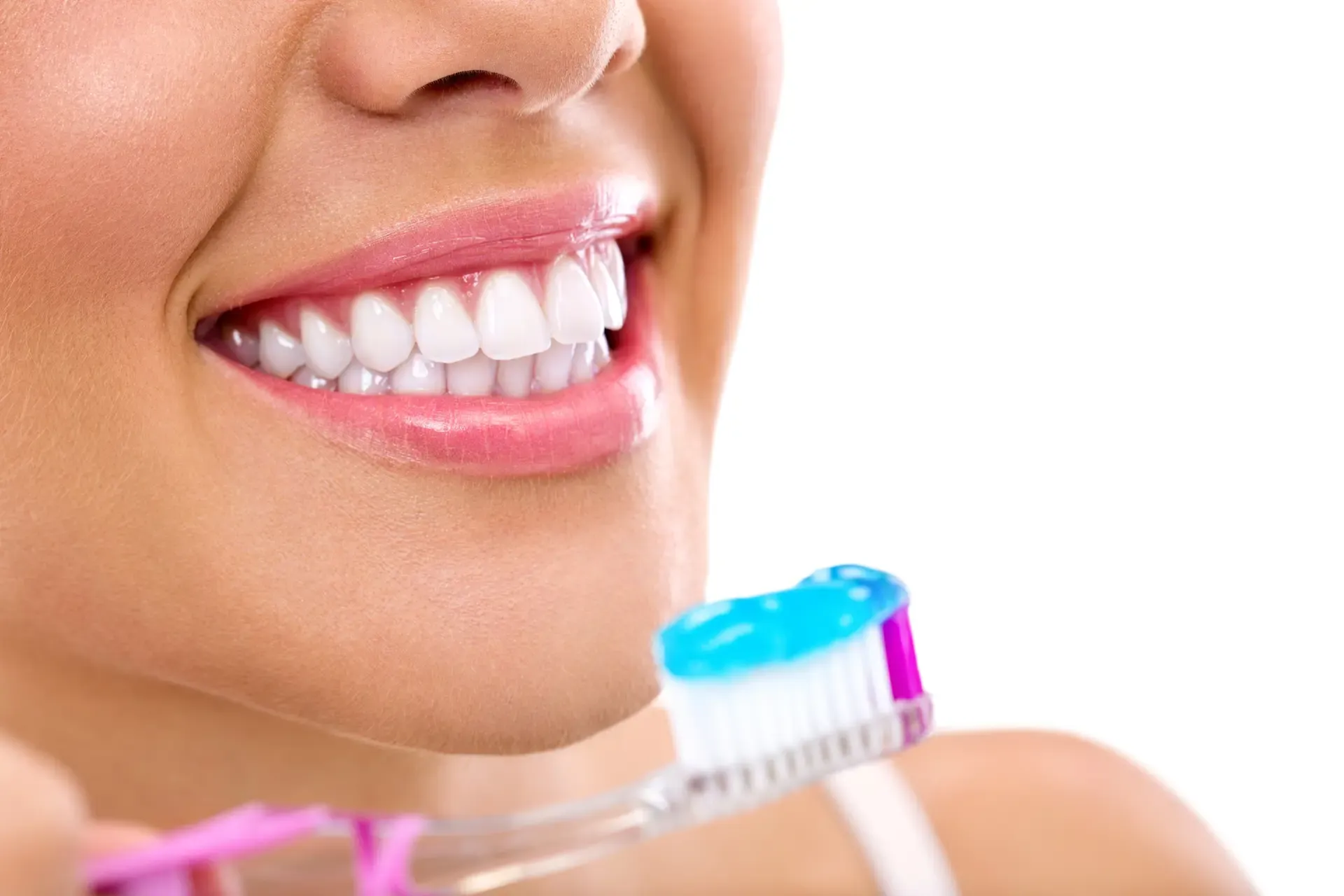
Smile makeovers typically involve a combination of cosmetic and restorative dental procedures tailored to the individual’s needs. Teeth whitening addresses discoloration and stains, providing a brighter, youthful look. Veneers, made from porcelain or composite materials, correct imperfections such as gaps, chips, or uneven teeth. Dental crowns restore the strength and appearance of damaged teeth, while braces or Invisalign align teeth and correct bite issues. Dental implants are used to replace missing teeth, ensuring natural appearance and function. Gum reshaping and contouring can improve overall aesthetics, creating a balanced and symmetrical smile. Each procedure contributes to the overall transformation, enhancing both form and function.
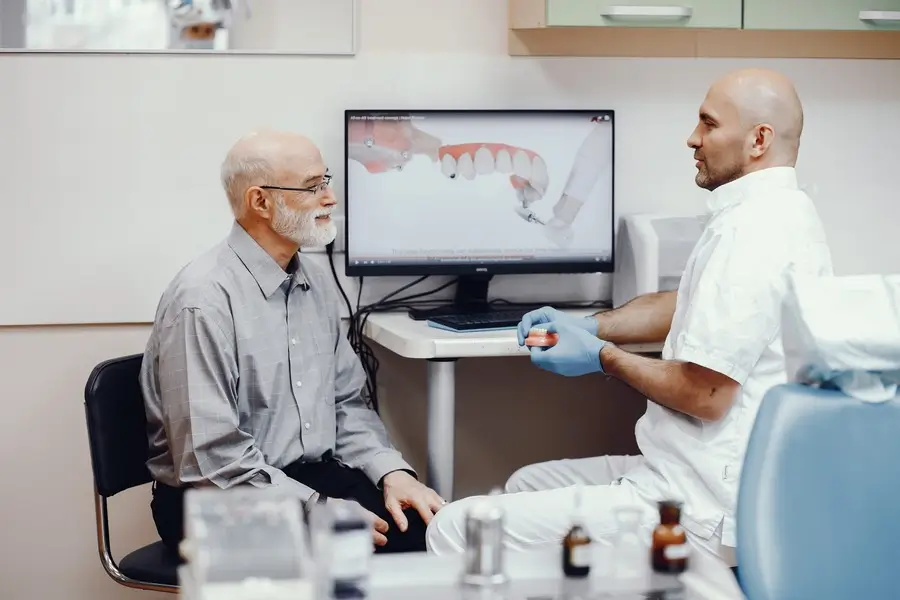
The journey of a smile makeover begins with a detailed consultation where dentists assess oral health, facial structure, and cosmetic goals. During the planning phase, digital imaging and simulation tools are often used to visualize potential outcomes and set realistic expectations. The treatment plan is then executed, which may involve multiple procedures performed sequentially or concurrently. Throughout the process, dentists focus on precision and functionality, ensuring that teeth are not only beautiful but properly aligned. After treatment, follow-up appointments are essential to monitor healing, make adjustments, and maintain results. This structured approach ensures predictable, long-lasting outcomes for patients.
Smile makeovers offer both aesthetic and functional benefits that go far beyond surface appearance. One of the most significant advantages is enhanced self-confidence; patients often report feeling more comfortable in social and professional settings. The procedures also improve oral health by addressing underlying issues like decay, misalignment, or gum disease. Properly aligned and restored teeth enhance functionality, improving chewing, speech, and overall comfort. Additionally, whitening and restorative procedures can create a youthful, vibrant appearance, counteracting signs of aging. With proper care, results are long-lasting, often providing benefits for decades. Overall, smile makeovers provide a holistic improvement to both appearance and oral health.
The ideal candidate for a smile makeover is an adult with good overall and oral health who desires long-term cosmetic and functional improvements. Healthy gums and teeth are crucial because untreated dental conditions can compromise results and complicate procedures. Patients should have realistic expectations about what can be achieved and a willingness to maintain oral hygiene after treatment. Those with severe gum disease, uncontrolled diabetes, or other systemic conditions may need preliminary treatments before a makeover. Motivation and personal goals also play a role, as candidates must be committed to the process and care required for optimal results. When these factors align, patients are more likely to achieve a successful, satisfying outcome.
The cost of a smile makeover varies widely depending on the procedures involved, materials used, geographic location, and dentist expertise. Simple makeovers focusing on whitening or minor bonding can cost a few thousand dollars, while full transformations involving veneers, implants, and orthodontics can exceed $20,000. High-quality materials like porcelain or advanced digital techniques increase cost but provide superior durability and aesthetics. Insurance coverage for cosmetic procedures is often limited, so patients should budget accordingly. Despite high initial investment, many patients consider it worthwhile due to improved confidence, appearance, and long-term oral health. Transparent discussions with a dentist about costs and payment options are essential for planning.
Although smile makeovers are generally safe, patients should be aware of potential risks and limitations. Some procedures, such as teeth whitening or veneers, can cause temporary tooth sensitivity or gum irritation. Veneers, crowns, or bonding may require occasional maintenance or replacement over time. There is also a financial and time investment, as comprehensive makeovers often require multiple visits. Not all patients achieve the exact desired result due to biological limitations or healing responses. Careful consultation with an experienced cosmetic dentist can minimize risks. Understanding these factors ensures patients make informed decisions and maintain realistic expectations.
The emotional benefits of a smile makeover often rival its physical results, significantly enhancing mental well-being. Improved smiles can reduce social anxiety, allowing individuals to engage more confidently in personal, social, and professional situations. Studies indicate that patients with attractive smiles experience higher self-esteem and overall satisfaction with their appearance. Even minor cosmetic improvements can positively influence mood and social interactions. The psychological boost is long-lasting, with patients often reporting increased happiness and motivation in daily life. Essentially, a smile makeover is not just about looks—it’s a tool for emotional empowerment.
Maintaining a smile makeover requires dedication to proper oral hygiene and regular dental checkups. Daily brushing and flossing are essential to preserve the appearance and health of veneers, crowns, or whitening treatments. Avoiding staining foods, beverages, and habits like smoking can extend the lifespan of cosmetic work. Protective gear, such as night guards for teeth grinders, prevents damage to restorations. Professional cleanings every six months ensure that underlying dental health remains optimal. With consistent care, smile makeover results can last 10–20 years, making them a worthwhile long-term investment in oral health and aesthetics.
Real-life examples of smile makeovers illustrate their transformative power, both aesthetically and emotionally. Patients often report dramatic improvements in confidence, social interactions, and career opportunities. Before-and-after photos demonstrate how even minor adjustments can enhance facial harmony and symmetry. Public figures and everyday individuals alike experience a boost in self-esteem after a smile makeover. These transformations also highlight the importance of choosing skilled cosmetic dentists who can achieve natural, balanced results. Seeing tangible results helps prospective patients visualize what is possible and motivates them to pursue their own smile goals.
For individuals hesitant about full smile makeovers, less invasive alternatives can provide meaningful improvements. Professional teeth whitening offers a quick and affordable solution for discoloration. Minor orthodontic corrections like Invisalign can straighten teeth without extensive procedures. Dental bonding addresses small chips or gaps, while gum treatments can refine contours for improved aesthetics. These alternatives may be more budget-friendly, require fewer visits, and still yield satisfying cosmetic results. While they may not deliver the dramatic transformation of a full makeover, they are a practical option for gradual improvements. Choosing the right approach depends on personal goals and oral health needs.
Deciding whether a smile makeover is worth it requires careful consideration of personal goals, budget, oral health, and expectations. Consulting a qualified cosmetic dentist helps clarify potential outcomes, suitable procedures, and realistic timelines. Patients should weigh the financial and time commitments against the potential physical, emotional, and social benefits. Understanding the risks, maintenance requirements, and longevity of results ensures informed decision-making. Personal motivation, confidence goals, and willingness to maintain dental hygiene are also key factors. Ultimately, the decision is highly individual and should prioritize both aesthetic desires and overall oral health.
Smile makeovers offer more than cosmetic enhancement—they are a pathway to improved confidence, oral health, and overall well-being. While financial cost, maintenance, and procedural considerations exist, the long-term benefits often justify the investment. A successful makeover provides a youthful, balanced smile that boosts self-esteem, social engagement, and professional presence. Choosing the right procedures, dentist, and aftercare plan is essential for optimal results. For many, the transformative effects of a smile makeover extend far beyond appearance, positively influencing emotional, social, and professional aspects of life. A smile makeover, when carefully planned, is truly life-changing.
February 26, 2026
How Sugar Affects Your Teeth | Prevent Cavities & DecayLearn how sugar damages your teeth, causes cavities, and discover practical ways to protect your enamel and oral health.

February 26, 2026
When Is Bad Breath a Sign of a Bigger Problem?Persistent bad breath may signal dental or health issues. Learn when halitosis is normal and when it requires professional attention.
February 08, 2025

January 28, 2025

January 10, 2025

January 05, 2025

January 01, 2025
