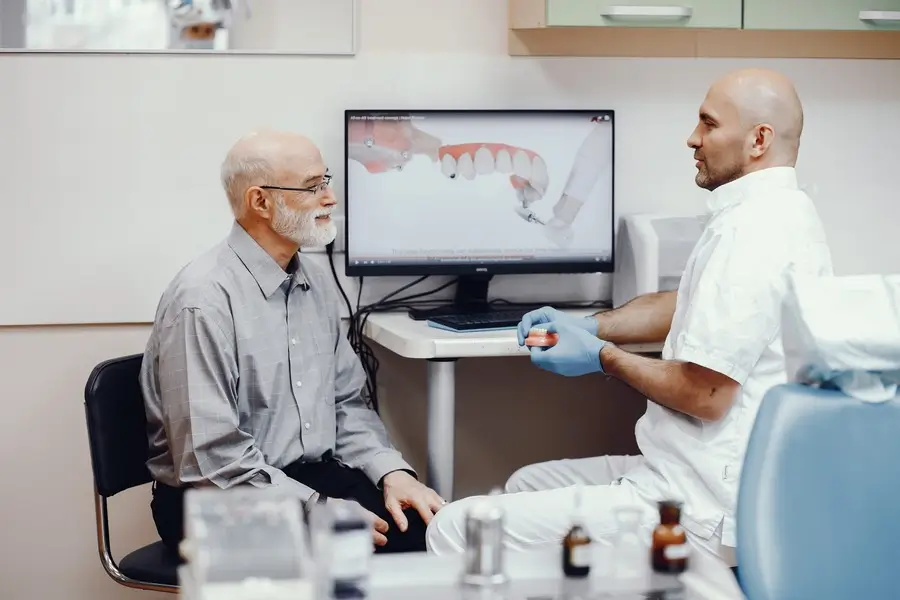
A root canal is a common dental procedure designed to save a severely damaged or infected tooth not remove it. When the inner pulp of a tooth becomes infected due to deep decay, cracks, or trauma, a root canal removes the infection, cleans the root, and seals the tooth to prevent further damage. While many people worry about discomfort after treatment, the truth is that recovery is typically smooth and manageable with the right care. Understanding what to expect and how to take care of your tooth afterward makes all the difference in ensuring a quick, pain-free healing process. In this guide, we’ll walk you through simple, dentist-approved steps to protect your treated tooth, reduce discomfort, and promote lasting oral health after a root canal.
.webp)
Proper care right after your root canal helps ensure a smooth and comfortable recovery. Follow these steps to protect your tooth and promote healing:
Wait Until Numbness Wears Off
After your procedure, your mouth will remain numb for a few hours. Avoid eating, drinking hot beverages, or chewing until full sensation returns this helps prevent accidental bites or burns to your tongue, cheeks, or lips.
Manage Pain and Discomfort
It’s normal to experience some tenderness for a few days. To ease discomfort:
Take over-the-counter pain relievers such as ibuprofen or acetaminophen (only as recommended by your dentist).
Apply a cold compress to the outside of your cheek for 10–15 minutes at a time to reduce any swelling or soreness.
Avoid very hot or cold foods that may trigger temporary sensitivity.
Be Gentle with the Treated Tooth
Until your dentist places a permanent filling or crown, your tooth is more fragile. To protect it:
Avoid chewing or biting on the treated side.
Stick to soft foods like soups, mashed potatoes, yogurt, or scrambled eggs for the first couple of days.
Maintain your regular oral hygiene routine, but brush gently around the treated area.
Following these immediate care tips will help minimize discomfort, prevent complications, and set the stage for a fast, successful recovery.
Eating and Drinking After a Root Canal
What you eat and avoid after your root canal plays a big role in how comfortably and quickly you heal. Because your tooth may be tender and temporarily sealed, it’s important to be gentle and make smart food choices.
First 24 Hours: Choose Soft, Gentle Foods
In the first day after treatment, stick to soft, easy-to-chew foods that won’t put pressure on the treated tooth. Great options include:
Yogurt, smoothies, and pudding
Soups (lukewarm, not hot)
Mashed potatoes or steamed vegetables
Scrambled eggs or oatmeal
These foods help you stay nourished without risking irritation or damage to the healing tooth.
Avoid Hard, Crunchy, or Sticky Foods
Until your dentist places a permanent filling or crown, your tooth may have a temporary filling that’s more delicate. To protect it, avoid:
Hard foods like nuts, ice, or hard candy
Sticky foods like gum, caramel, or chewy candy
Crunchy snacks like chips or popcorn
These can crack or dislodge the temporary filling, leading to discomfort or further dental work.
Stay Hydrated the Right Way
Drink plenty of water to keep your mouth clean and hydrated it helps flush away food particles and bacteria. Avoid sugary, carbonated, or acidic drinks (like soda, fruit juice, or energy drinks), as they can irritate the tooth and slow the healing process. By eating soft, nourishing foods and staying hydrated, you’ll support your recovery and protect your treated tooth until it’s fully restored.
Oral Hygiene During Recovery
Maintaining good oral hygiene after a root canal is essential for proper healing and preventing infection. While your tooth is still recovering, gentle but consistent care will help keep your mouth clean and comfortable.
Brush Gently Around the Treated Area
Continue brushing your teeth twice a day using a soft-bristled toothbrush and fluoride toothpaste. Be extra gentle around the treated tooth to avoid irritation. This keeps plaque and bacteria from building up while protecting sensitive gum tissue.
Floss with Care
Flossing remains important during recovery, but take care not to pull or tug near any temporary restoration or crown. Slide the floss gently between teeth, and lift it out rather than snapping it through. This helps clean between teeth without disturbing the treated area.
Rinse with Warm Salt Water (If Advised by Your Dentist)
If your dentist recommends it, rinse your mouth gently with a warm salt water solution (½ teaspoon of salt in a cup of warm water) once or twice daily. This natural rinse helps soothe gum tissue, reduce inflammation, and keep the area clean. Avoid using alcohol-based mouthwashes, as they may cause irritation or dryness. By keeping up with gentle brushing, careful flossing, and recommended rinses, you’ll support healing, reduce discomfort, and maintain a clean, healthy mouth throughout your recovery.
Long-Term Care for a Root Canal Tooth
A successful root canal doesn’t end with the procedure long-term care is essential to protect and preserve your restored tooth for years to come. With the right maintenance and dental habits, your treated tooth can function just like any natural one.
Get the Permanent Crown
After your root canal, your dentist will likely recommend placing a permanent crown on the treated tooth. This step is crucial the crown restores strength, prevents cracks, and seals the tooth from bacteria. Delaying this step can leave your tooth vulnerable to damage or reinfection.
Maintain Daily Oral Hygiene
Continue brushing twice a day with fluoride toothpaste and flossing daily to remove plaque between teeth. Keeping your mouth clean prevents decay and gum disease, helping your root canal tooth and the rest of your smile stay healthy long-term.
Avoid Teeth Grinding
If you grind or clench your teeth (a condition known as bruxism), it can put extra pressure on your restored tooth and crown. Ask your dentist about a custom night guard to protect your teeth while you sleep.
Schedule Regular Dental Check-Ups
Regular dental visits (every six months or as advised) allow your dentist to monitor the health of your root canal and crown, ensuring the restoration remains secure and the surrounding gums stay healthy. By following these long-term care tips, you’ll help your root canal tooth remain strong, functional, and problem-free preserving your natural smile for years to come.
Signs You Should Contact Your Dentist
While mild soreness is normal after a root canal, certain symptoms may indicate a complication that needs prompt professional attention. Paying attention to these warning signs ensures quick treatment and prevents further damage or infection.
Severe or Worsening Pain After Several Days
Some discomfort is expected in the first few days, but if the pain becomes sharp, throbbing, or increases over time, it could signal an infection or inflammation beneath the tooth.
Swelling, Pus, or Persistent Bad Taste
Any swelling around the gums or face, presence of pus, or a bad taste or odor that doesn’t go away may mean that bacteria are still present. Contact your dentist immediately for evaluation.
Loose or Lost Temporary Filling or Crown
If your temporary restoration becomes loose or falls out, the treated tooth is left exposed and vulnerable. Avoid chewing on that side and see your dentist as soon as possible for a replacement or permanent crown.
Cracks or Chips in the Restored Tooth
A cracked or chipped tooth especially one that has undergone a root canal can weaken the structure and expose inner layers to bacteria. Early repair prevents reinfection and the need for further treatment. If you notice any of these symptoms, don’t delay contacting your dentist promptly helps ensure fast relief, protects your restoration, and keeps your smile healthy and strong.
How Long Does a Root Canal Tooth Last?
.webp)
With the right care and protection, a root canal–treated tooth can last a lifetime. The procedure itself removes infection and preserves your natural tooth structure but long-term success depends on how well you care for it afterward. The most important step is protecting the treated tooth with a permanent crown, which restores strength and prevents cracks or bacterial reinfection. Combined with good daily oral hygiene brushing twice a day, flossing regularly, and visiting your dentist for routine check-ups your root canal tooth can remain just as strong and functional as any other tooth.
Conclusion
Proper post-root canal care is essential for ensuring the long-term success of your treatment. By following your dentist’s instructions, maintaining good oral hygiene, and protecting the treated tooth with a crown, you can help your restored tooth stay strong, functional, and pain-free for many years. Remember, healing after a root canal is usually smooth and quick when you care for your mouth properly. Simple habits like gentle brushing, avoiding hard foods, and keeping up with dental check-ups make a big difference in preventing complications and preserving your natural smile. If you’ve had a root canal or are experiencing post-treatment discomfort, contact our dental team for expert care and follow-up support. We’re here to ensure your recovery is comfortable and your results last a lifetime.


.webp "Root Canal Aftercare: How to Care for Your Tooth & Recover Faster")