Good oral care should begin long before your baby’s first tooth appears. Establishing healthy habits early helps prevent cavities, gum disease, and other dental issues while setting the foundation for a lifetime of strong, healthy teeth. Brushing your baby’s teeth correctly from the start is essential, but many parents are unsure how to do it safely and effectively. In this guide, we’ll provide step-by-step instructions for brushing your baby’s teeth, along with practical tips and best practices recommended by pediatric dentists to ensure your child develops healthy oral hygiene habits from the very beginning.
Before teeth emerge: Even before your baby’s teeth appear, it’s important to clean their gums. Use a soft, damp cloth or gauze to gently wipe the gums after feeding. This helps remove bacteria and leftover milk or formula, reducing the risk of early decay. After the first tooth appears: Typically between 6–12 months, you can begin using a small, soft-bristled baby toothbrush. At this stage: Use a rice-grain–sized amount of fluoride toothpaste for children under 3. Brush twice daily once in the morning and once before bed.
Selecting the appropriate toothbrush and toothpaste is essential for safe and effective baby oral care:
Use a soft-bristled brush with a small head, specifically designed for infants or toddlers. This ensures gentle cleaning without irritating delicate gums.
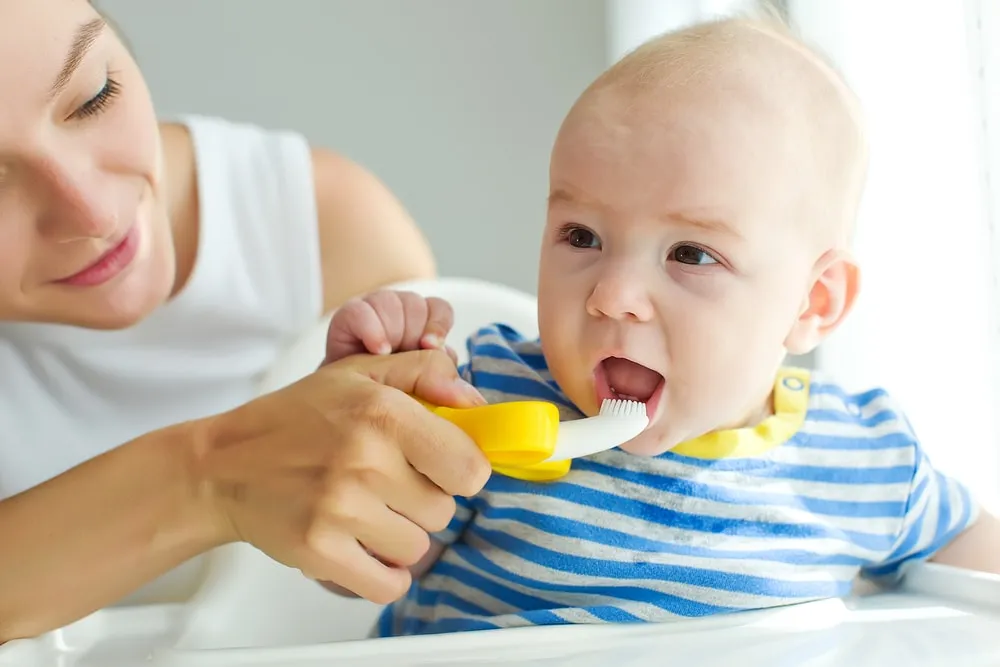
Positioning Your Baby (Expanded)
Proper positioning is the first step to safe and effective brushing, ensuring you can clean every tooth without causing discomfort or frustration. Here are some additional tips:
Face-to-Face Position
Sit facing your baby, supporting their back against your chest. This allows them to see your actions, making the experience feel interactive and less intimidating.
Knee-to-Knee Method
Sit on the floor with your knees bent and place your baby’s legs across yours, forming a secure “lap bridge.” This position gives you excellent control and visibility, especially for toddlers who are more active.
Comfort and Distraction
Use a soft toy or sing a song while brushing. Engaging your baby can make them feel safe and entertained, turning brushing into a positive routine rather than a struggle.
Lighting
Ensure you have good lighting to see all surfaces, especially the back teeth, where cavities can form first. Remember, the goal is to create a calm, positive experience that encourages your baby to cooperate. Frequent, gentle brushing in a secure position helps establish lifelong oral hygiene habits. If you want, I can continue by expanding the next steps: brushing technique, duration, and frequency, so you’ll have a complete, step-by-step guide for parents. Do you want me to do that?
Brushing Technique
Gentle Circular Motions
Use soft, circular motions to clean all tooth surfaces the fronts, backs, and chewing surfaces. Avoid scrubbing harshly, which can irritate delicate gums.
Duration and Frequency
Brush for about 2 minutes, ideally twice daily once in the morning and once before bedtime. Consistency is key to preventing cavities and promoting healthy gums.
Gum Care
Gently brush along the gumline to remove plaque without causing discomfort. This helps your baby get used to the sensation and reduces the risk of gum irritation.
Rinsing and Spitting
Wiping Excess Toothpaste
Small children do not need to spit after brushing. Simply wipe any excess toothpaste from the mouth with a clean cloth.
Fluoride Safety
Swallowing small amounts of fluoride toothpaste is safe for infants and helps protect against tooth decay. Avoid using more than the recommended rice-grain-sized amount for children under 3.
These steps ensure that brushing is effective, safe, and comfortable, establishing a routine that supports healthy teeth and gums from the very beginning.
If you want, I can also expand this guide to include teething care, handling resistance, and making brushing fun, so parents have a complete resource for early oral hygiene. Do you want me to do that?
Teething Care and Comfort
Teething can make babies fussy, irritable, and sensitive, which sometimes affects brushing. Here’s how to care for your baby’s gums and teeth during this stage:
Soothing Sore Gums
Chilled Teething Rings: Gently chewing on a cold, clean teething ring can relieve discomfort.
Cold Washcloth: Wet a clean washcloth, chill it in the fridge, and let your baby chew on it.
Gentle Gum Massage: Use a clean finger or soft silicone brush to massage sore gums, which can ease discomfort and prepare them for brushing.
Avoiding Unsafe Remedies
No Frozen Teething Gels or Hard Objects: Avoid frozen toys, teething gels with benzocaine, or hard objects that could injure the gums.
Monitor for Illness: Teething can sometimes cause mild fussiness but not high fever. Consult a dentist or pediatrician if fever, swelling, or unusual symptoms occur.
First Dental Visit
Early dental visits are crucial for prevention and guidance:
When to Schedule
The first dental visit should occur by age one or within six months of the first tooth appearing.
What Happens
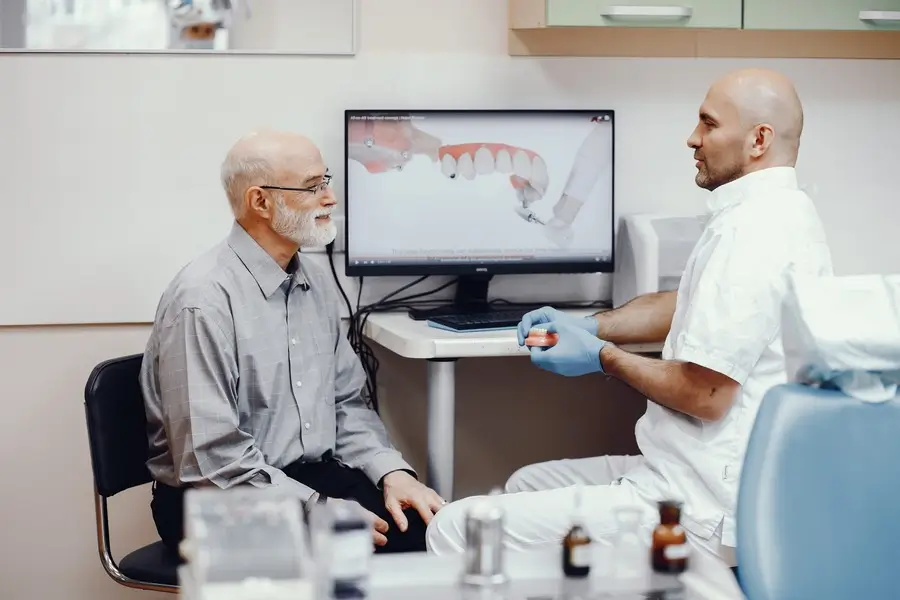
The dentist will check for early signs of decay, assess oral development, and teach parents proper brushing and care techniques.
Benefits
Establishing a dental home early helps prevent cavities, manage teething concerns, and build a positive relationship with the dentist.
Encouraging Lifelong Oral Habits
Lead by Example
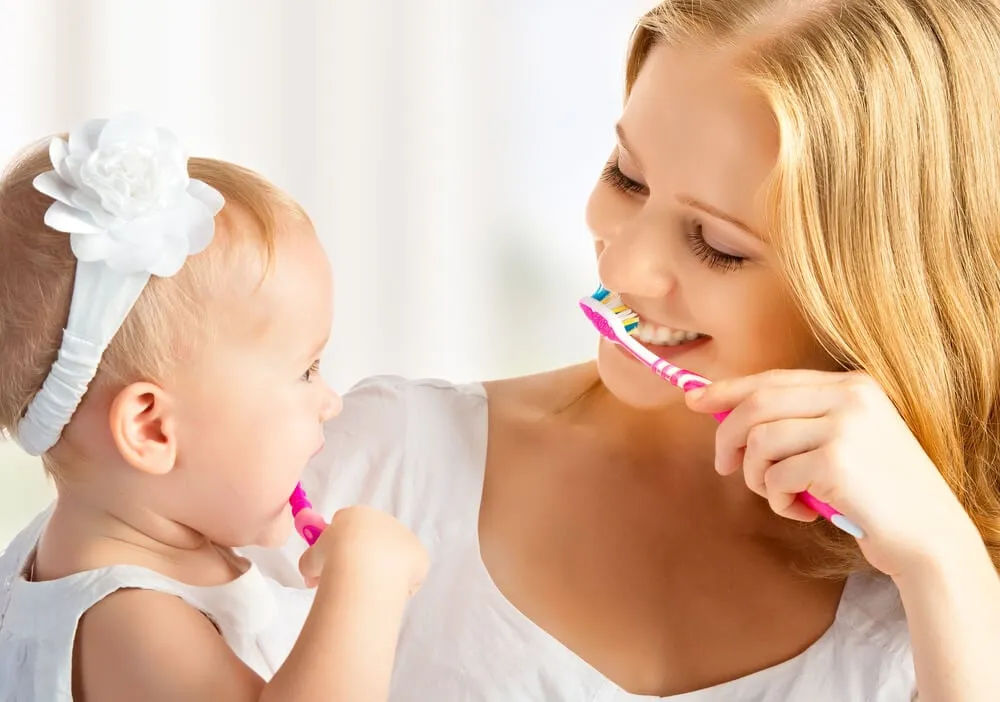
Brush and floss in front of your child to model good habits.
Make Brushing Fun
Songs, timers, and colorful toothbrushes can make the routine enjoyable.
Positive Reinforcement
Praise and small rewards help motivate your baby as they grow.
Consistency
Brushing twice daily, even when busy, sets the stage for lifelong oral health. By combining gentle brushing, teething care, and early dental visits, parents can ensure their child develops healthy teeth and gums, minimizing cavities and establishing positive oral hygiene habits from the very start.
Additional Tips for Healthy Baby Teeth
Beyond daily brushing and teething care, these practical habits help protect your baby’s teeth and gums:
Avoid Bottles at Bedtime
Never put your baby to bed with bottles containing milk, formula, or juice, as prolonged exposure to sugars can lead to baby bottle tooth decay. If your baby needs comfort at night, offer water instead.
Limit Sugary Snacks and Drinks
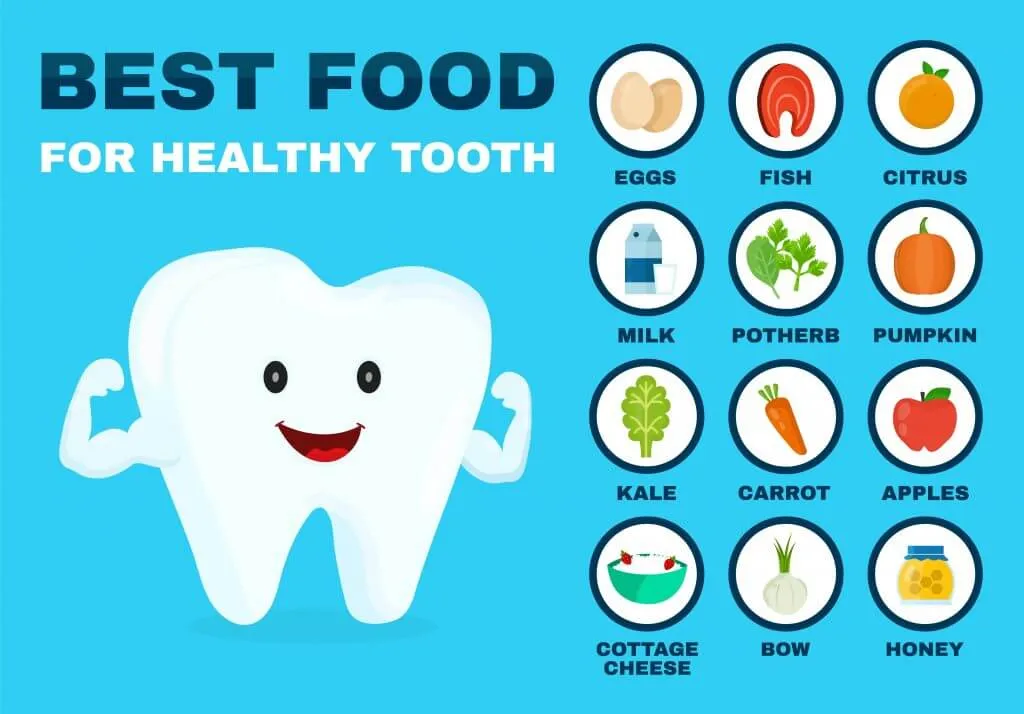
Sugary foods and drinks feed cavity-causing bacteria. Offer healthy snacks like fruits, vegetables, or plain yogurt to protect enamel.
Encourage Cup Drinking by Age 1
Transitioning from bottles to a sippy or regular cup reduces prolonged exposure to liquids that can cause decay. Introduce water and milk in a cup to support healthy oral development.
Schedule the First Dental Visit
The first dental visit by age one or within six months of the first tooth is crucial. Early dental care allows your dentist to:
Detect early signs of cavities.
Provide personalized guidance on brushing and oral care.
Help your child get comfortable with dental visits, establishing a positive routine.
Incorporating these habits, along with gentle brushing, proper tools, and routine dental checkups, helps ensure your child develops strong, healthy teeth and a lifetime of good oral hygiene.
When to See a Dentist
Knowing when to seek professional dental care is essential for protecting your baby’s teeth and preventing future problems.
Persistent Pain or Discomfort
If your baby shows signs of tooth pain, chewing difficulty, or sensitivity, schedule a dental visit promptly.
Discoloration or Spots
White, brown, or dark spots on teeth may indicate early decay and should be evaluated by a dentist.
Routine Check-Ups
Even if no issues are apparent, early and regular dental visits help detect problems before they worsen and provide guidance on proper oral care. Early intervention ensures that cavities, infections, or developmental issues are treated promptly, helping your child maintain a healthy smile as they grow.
Expanded Conclusion with Key Tips and Bonus Checklist
Starting oral care early is not just about preventing cavities it’s about building healthy habits that last a lifetime. By combining gentle brushing, appropriate tools, smart feeding choices, and regular dental visits, parents can ensure their baby develops a strong, confident smile.
Here’s a recap of essential tips for healthy baby teeth:
Brush Twice Daily
Use a soft-bristled brush and the right amount of fluoride toothpaste.
Clean Gums Before Teeth Emerge
Wipe with a damp cloth after feedings.
Offer Healthy Foods and Drinks
Limit sugary snacks, avoid bedtime bottles with milk or juice, and encourage drinking from a cup by age 1.
Sooth Teething Discomfort Safely
Use chilled teething rings or a clean finger for gentle gum massage.
Establish a Dental Home Early
Schedule the first dental visit by the first birthday or within six months of the first tooth.
Make Brushing Fun
Use songs, games, or colorful toothbrushes to create a positive routine.
Conclusion
Brushing your baby’s teeth properly from the very first tooth sets the foundation for a lifetime of healthy oral habits. Using the right technique, toothbrush, and toothpaste, along with regular dental checkups, helps prevent cavities, plaque buildup, and gum issues. Consistency and gentle guidance make brushing a positive experience for your child. By taking these steps early, parents can ensure their little ones develop strong, healthy teeth and a confident smile that lasts well into adulthood.


.webp "Root Canal Aftercare: How to Care for Your Tooth & Recover Faster")