


February 26, 2026
Is Cosmetic Dentistry Covered by Insurance? What You Need to KnowFind out whether cosmetic dentistry is covered by insurance, which procedures qualify, and how to reduce out-of-pocket costs for aesthetic treatments.

February 26, 2026
Clear aligners have become a popular alternative to traditional braces for adults and teens seeking discreet teeth-straightening solutions. Invisalign is the most recognized professional option, requiring in-office visits, while at-home aligners like Smile Direct, Byte, and Candid allow patients to manage treatment remotely. Choosing between these options depends on factors such as cost, supervision, convenience, and the complexity of dental issues. Understanding the differences helps patients make informed decisions and ensures successful outcomes. This article explores both types of aligners, comparing their benefits, drawbacks, and suitability for various cases. By the end, readers can determine which option aligns best with their needs.
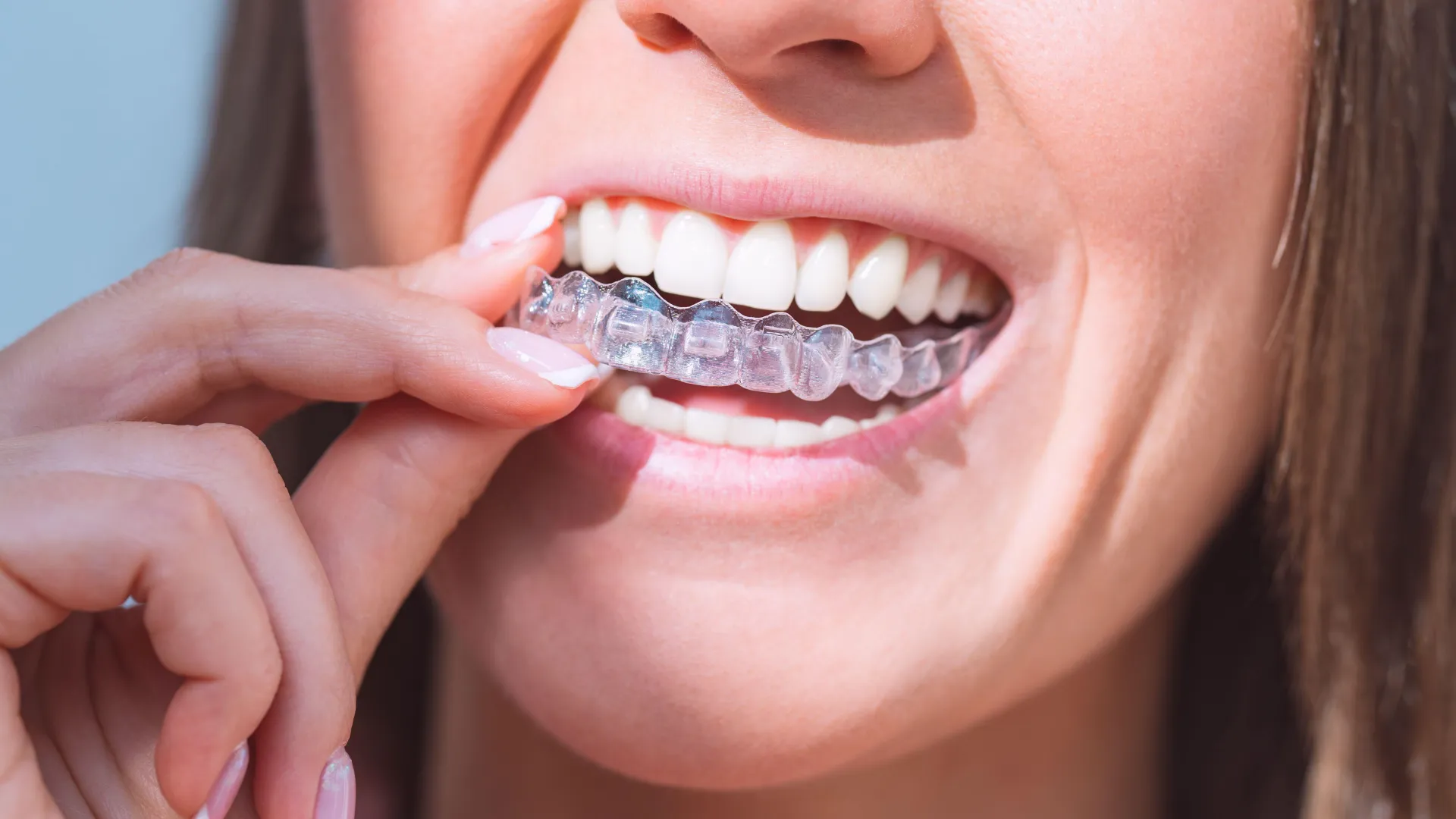
Clear aligners are removable, transparent trays designed to gradually shift teeth into proper alignment. Made from medical-grade, BPA-free plastic, they are nearly invisible and comfortable to wear. Each set of aligners moves teeth slightly before being replaced with the next in the series. Patients typically wear them 20–22 hours per day, removing them only to eat, drink, or clean teeth. Both Invisalign and at-home systems operate on this principle, but differ in supervision and customization. Clear aligners are popular for those wanting a subtle, effective alternative to traditional metal braces.
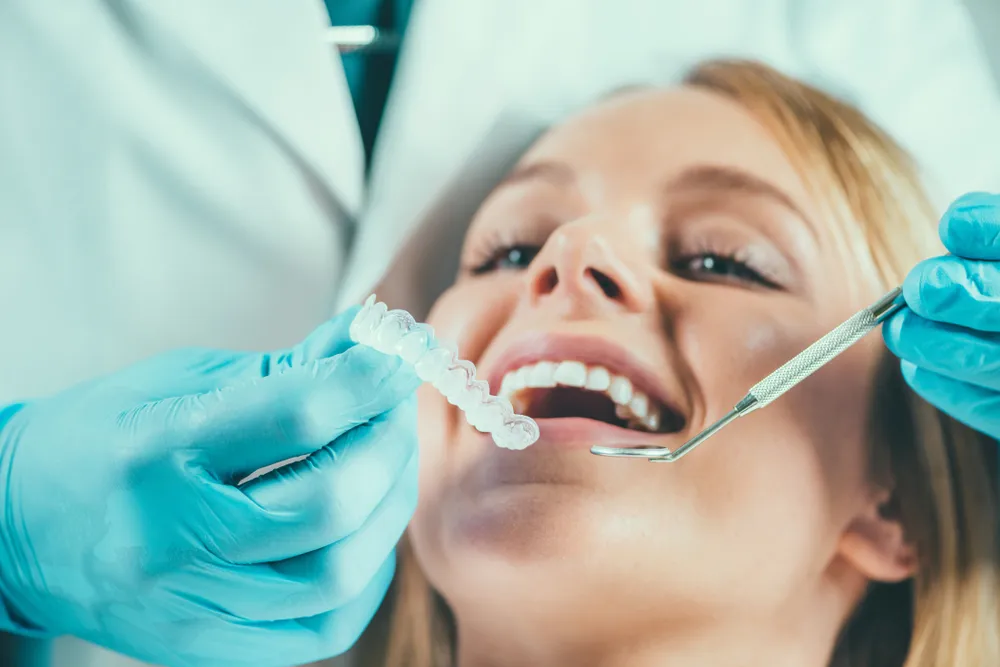
Invisalign treatment starts with an in-person consultation with an orthodontist or dentist, who evaluates your teeth and bite. A 3D digital scan or physical impressions are taken to create a customized treatment plan. Patients receive a series of aligners, wearing each set for about 1–2 weeks. Progress is monitored through regular office visits every 4–6 weeks to ensure teeth move safely and effectively. Adjustments can be made in real-time if needed, making it suitable for complex cases. Invisalign offers a controlled, professional approach to teeth straightening.
Invisalign provides precise treatment for both simple and complex dental issues, including misalignment, gaps, and bite problems. Professional supervision ensures teeth move safely, reducing the risk of complications. The aligners are comfortable, smooth, and almost invisible, minimizing irritation. Digital treatment simulations allow patients to preview results before starting. Regular check-ups help maintain progress and make necessary adjustments. Overall, Invisalign combines comfort, effectiveness, and expert oversight for predictable results.
Invisalign can be costly, typically ranging from $3,000 to $8,000 depending on complexity. Frequent office visits may be inconvenient for busy schedules or distant patients. Treatment duration can be longer for complex cases, sometimes taking over two years. Some patients experience mild discomfort or pressure as teeth move, though generally less than braces. Insurance coverage is often limited and may only partially cover costs. Overall, Invisalign requires time, financial investment, and commitment to regular monitoring.
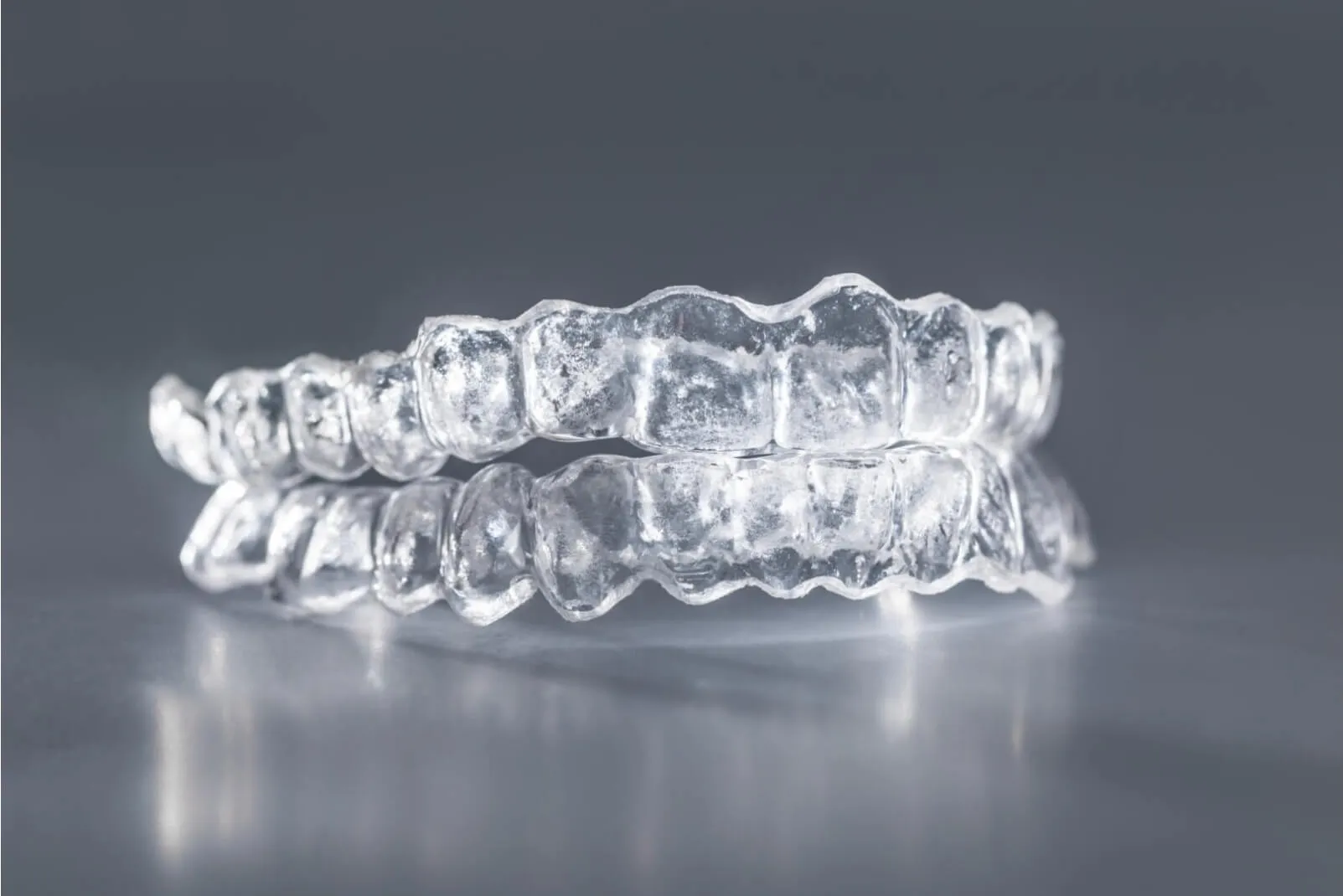
At-home aligners allow patients to manage treatment with minimal in-person visits. Patients take impressions at home or visit a local scanning center, then receive aligners by mail. Treatment is monitored remotely through apps, photo updates, or teleconsultations. Each aligner is worn for about 1–2 weeks before progressing to the next set. Limited professional oversight means complex issues may not be adequately addressed. This method prioritizes convenience and affordability, but requires patient discipline and accurate follow-through.
At-home aligners are more affordable, typically costing between $1,500 and $2,500. They offer convenience, eliminating frequent office visits. Aligners are clear and removable, making them aesthetically appealing and easy to maintain. Initial impressions and shipment are fast, allowing treatment to begin quickly. These aligners are ideal for mild crowding, gaps, or cosmetic adjustments. For patients seeking budget-friendly, self-managed options, at-home aligners provide a practical solution.
Remote monitoring limits the ability to correct severe dental or bite issues. Inconsistent use or improper placement may lead to unsatisfactory results. At-home aligners are generally unsuitable for complex orthodontic problems, rotations, or severe crowding. Patients must be disciplined in following instructions and updating progress. Without in-person supervision, small issues may go unnoticed until they worsen. While convenient, at-home aligners carry a higher risk of complications if patients are not diligent.
Invisalign and at-home aligners differ in cost, supervision, convenience, and treatment scope. Invisalign is suitable for complex cases, with professional oversight and predictable results, while at-home aligners are best for mild cosmetic corrections. Treatment duration can be similar for minor cases, but Invisalign provides more control over tooth movement. Office visits are necessary for Invisalign but optional or nonexistent for remote aligners. A comparison chart helps summarize differences, showing pros and cons side by side. Understanding these distinctions helps patients select the most appropriate treatment for their needs.
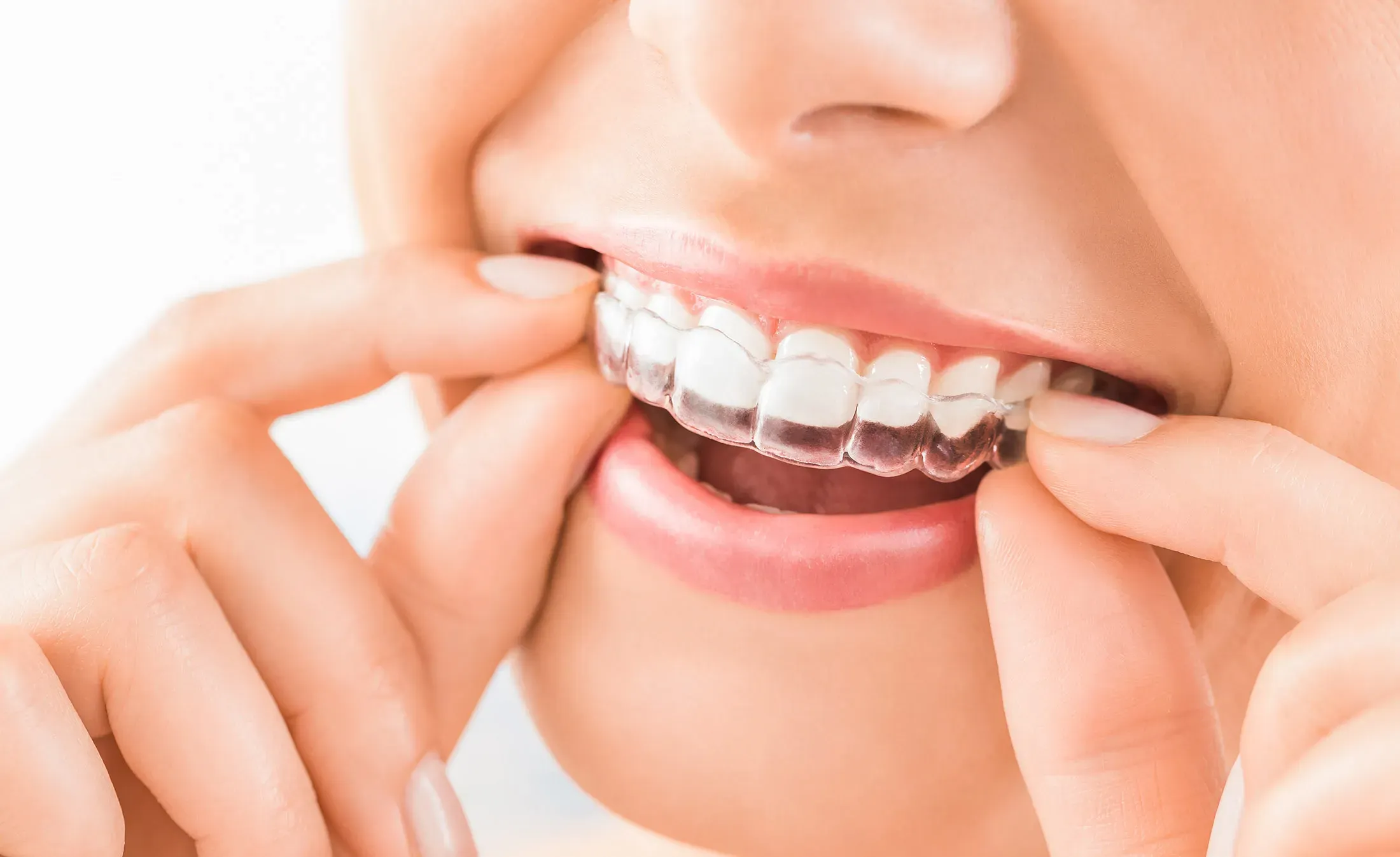
Invisalign is ideal for patients with complex dental issues, bite misalignment, or those who want professional supervision. Patients willing to invest in a long-term, controlled treatment benefit from Invisalign’s accuracy. At-home aligners suit adults with mild spacing or crowding who prefer convenience and lower cost. Both options require patient commitment, but at-home aligners demand higher self-discipline. Consulting a dentist is crucial before starting any aligner treatment. The decision should balance dental complexity, lifestyle, and budget.
Invisalign typically costs $3,000–$8,000 depending on case severity and geographic location. At-home aligners cost $1,500–$2,500, making them more affordable for mild corrections. Insurance coverage may partially offset Invisalign costs, while at-home aligners are rarely covered. Financing and payment plans are available for professional treatments. Cost reflects supervision, material quality, and customization. Patients must weigh the long-term benefits of professional care against initial expenses when choosing a treatment plan.
Both Invisalign and at-home aligners require consistent wear, generally 20–22 hours daily. Proper oral hygiene is essential; teeth should be brushed and flossed before reinserting aligners. Retainers are necessary after treatment to prevent teeth from shifting back. Invisalign patients receive professional guidance, while at-home aligner users self-monitor progress. Regular dental checkups are recommended for both types. Maintaining aligners and following instructions ensures lasting results and healthy teeth alignment.
Invisalign and at-home aligners offer effective alternatives to traditional braces, with differences in cost, supervision, convenience, and treatment capability. Invisalign is best for complex cases requiring professional oversight, while at-home aligners are suitable for mild cosmetic adjustments and budget-conscious patients. Choosing the right option depends on dental complexity, lifestyle, and financial considerations. Consulting a dentist before starting treatment is essential for safety and success. Understanding the pros and cons helps patients select the aligner that aligns with their goals and expectations.
No, they are mainly suitable for mild crowding and spacing issues.
Treatment typically lasts 12–24 months depending on complexity.
Yes, if retainers are used properly after treatment.
Mild pressure or discomfort is normal during initial use of new aligners.
Yes, but a dentist must evaluate and adjust the treatment plan accordingly.
February 26, 2026
Is Cosmetic Dentistry Covered by Insurance? What You Need to KnowFind out whether cosmetic dentistry is covered by insurance, which procedures qualify, and how to reduce out-of-pocket costs for aesthetic treatments.
February 26, 2026
In-Office Whitening vs Take-Home Kits – Which Teeth Whitening Option Is Better?Compare in-office whitening with take-home kits to find out which option delivers better, faster, and longer-lasting results. Learn pros, cons, and ideal candidates.
February 08, 2025

January 28, 2025

January 10, 2025

January 05, 2025

January 01, 2025
