


February 26, 2026
Pros and Cons of Porcelain Veneers – Are They Right for You?Explore the main pros and cons of porcelain veneers to help you decide if this cosmetic dental treatment is the right choice for your smile.

February 26, 2026
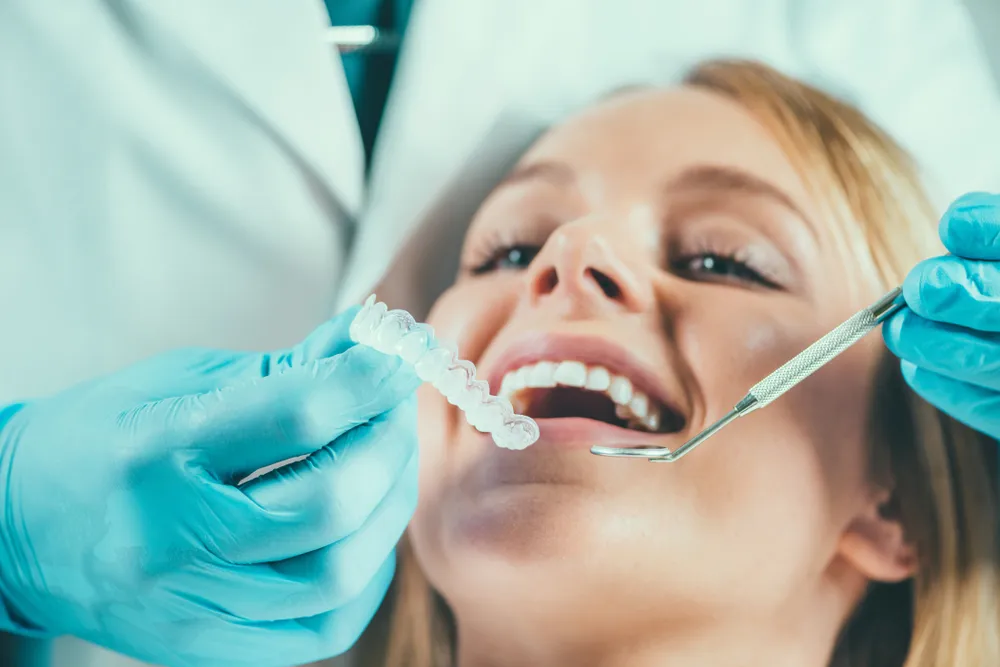
Cosmetic dentistry has become increasingly popular as people seek to improve their smiles and boost confidence. Common procedures include teeth whitening, veneers, dental bonding, and Invisalign aligners. Many wonder if dental insurance will help cover these often-expensive treatments. Insurance policies typically focus on oral health and function rather than purely aesthetic improvements. This article explores which procedures might be covered, what factors influence coverage, and tips to manage costs. By understanding your insurance options, you can make informed decisions about investing in cosmetic dental care.
Cosmetic dentistry focuses on improving the appearance of your teeth, gums, and overall smile. Popular procedures include teeth whitening, veneers, bonding, crowns, and orthodontic treatments. While some treatments also improve dental function, the main goal is aesthetic enhancement. Patients often pursue cosmetic dentistry to boost self-esteem or address discoloration, misalignment, or chipped teeth. Unlike restorative dentistry, cosmetic procedures are usually elective and not medically necessary. Understanding what falls under cosmetic dentistry is crucial to know what insurance may or may not cover.
Restorative dentistry aims to repair damage and maintain oral function, such as fillings, crowns, root canals, and bridges. Cosmetic dentistry, on the other hand, primarily focuses on enhancing appearance rather than addressing health issues. Some procedures overlap, like crowns that restore damaged teeth and improve aesthetics simultaneously. Insurance generally prioritizes restorative treatments over purely cosmetic ones. The distinction affects whether a procedure is eligible for insurance coverage. Knowing the difference helps patients set realistic expectations for both treatment and payment.
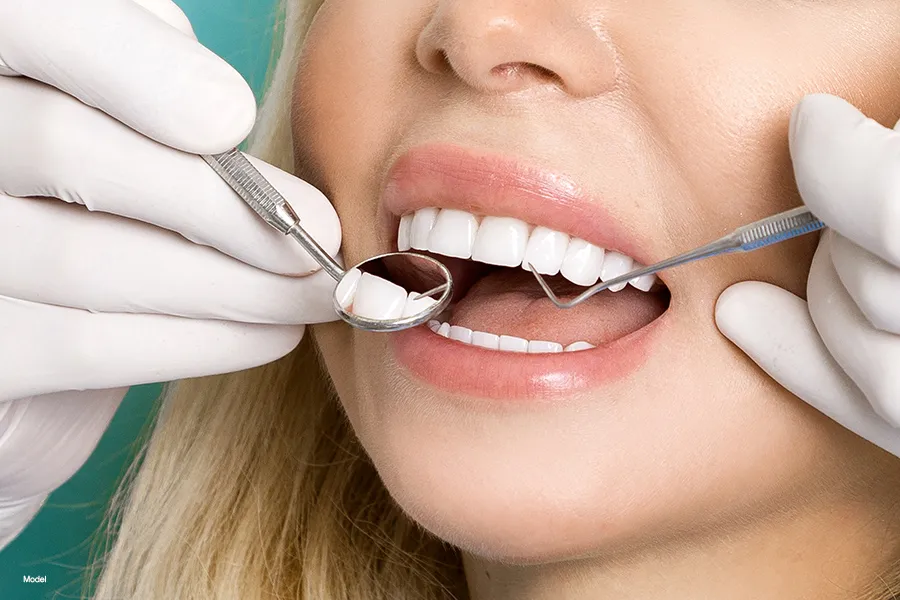
Teeth whitening is rarely covered because it is purely cosmetic, while veneers are usually excluded unless needed for structural repair. Bonding may receive partial coverage if it addresses decay or damage but not for purely aesthetic purposes. Braces or Invisalign coverage depends on age, dental necessity, and insurance type, often limited for adults. Dental implants might be covered if they restore function after tooth loss rather than for appearance alone. Insurance policies vary widely, so patients should confirm coverage before starting treatment. Understanding procedure-specific coverage helps prevent unexpected expenses.
Coverage often depends on medical necessity; insurance typically pays for procedures required to treat disease, injury, or functional issues. The type of plan—PPO, HMO, or discount—also influences coverage rules. Classification of a procedure as cosmetic versus restorative is crucial. Documentation from a dentist supporting medical necessity may increase coverage chances. Age restrictions, especially for orthodontics, can determine eligibility. Being aware of these factors allows patients to plan and minimize out-of-pocket expenses.
Flexible Spending Accounts (FSA) and Health Savings Accounts (HSA) allow use of pre-tax dollars to pay for eligible dental expenses. Dental discount plans offer membership savings on cosmetic treatments. Many dental offices provide payment plans, spreading the cost over months. Combining cosmetic procedures with restorative work may improve chances of partial coverage. Shopping around and comparing dentists ensures competitive pricing for elective procedures. Being proactive about financing options helps patients achieve the smile they want without financial strain.
FSAs and HSAs allow patients to set aside pre-tax dollars specifically for medical and dental expenses, which can include certain cosmetic procedures. By using these accounts, patients effectively reduce their taxable income while covering treatments like teeth whitening, veneers, or bonding. It's important to check which cosmetic procedures are eligible under your plan, as some purely aesthetic treatments may not qualify. Using these accounts strategically can make expensive treatments more affordable without dipping into regular income. Planning contributions at the start of the year ensures maximum benefit and avoids losing unused FSA funds.
Dental discount plans are membership-based programs that provide reduced rates for specific dental procedures, including cosmetic treatments. Unlike insurance, which may have restrictions and waiting periods, discount plans often allow immediate use of benefits. Members typically pay an annual fee and receive percentage-based discounts on treatments like teeth whitening, veneers, and orthodontics. These plans can be particularly useful for patients needing multiple cosmetic procedures. It’s important to compare the discounts offered by different plans to determine which provides the most value.
Many dental offices understand that cosmetic procedures can be costly, so they offer flexible payment plans. These plans allow patients to spread the total cost over several months or even years, making treatments more manageable. Some plans may include interest-free options, while others might have low-interest financing through third-party lenders. Discussing payment plans upfront helps patients budget and avoid financial strain. Scheduling multiple procedures in a phased manner can also help distribute costs over time.
Some cosmetic dental treatments may partially overlap with medically necessary dental procedures. For example, if a patient needs crowns for damaged teeth, the cost difference between standard and cosmetic crowns might be partially covered by insurance. Combining treatments in this way can maximize insurance benefits and reduce out-of-pocket expenses. Patients should discuss their goals with the dentist to plan procedures strategically. Documentation from the dentist may be required to justify partial coverage.
Prices for cosmetic dental procedures can vary widely between dentists and locations. Researching multiple dental offices, requesting detailed quotes, and asking about included services ensures competitive pricing. Some dentists may offer bundled services or seasonal promotions for cosmetic procedures. Reading patient reviews and checking credentials ensures quality care without overpaying. Being proactive in comparing costs empowers patients to make informed financial decisions.
Planning ahead for cosmetic treatments allows patients to take advantage of savings opportunities and financing options. Scheduling procedures during discount promotions, using FSA/HSA funds, or enrolling in dental discount programs can significantly reduce costs. Additionally, discussing long-term plans with your dentist ensures procedures are timed and budgeted efficiently. Being proactive helps patients achieve their desired results without unexpected financial burdens.

Before starting cosmetic treatments, ask your provider which procedures are covered and whether pre-authorization is required. Clarify if the procedure is considered cosmetic or medically necessary, as this affects reimbursement. Ask about annual maximums, deductibles, and waiting periods that may limit coverage. Confirm what documentation the dentist needs for insurance approval. Inquire about any exceptions or partial coverage options for certain procedures. Effective communication with your provider ensures you are not caught off guard by unexpected costs.
Some cosmetic procedures may be partially covered if deemed medically necessary. For example, correcting congenital defects like cleft palate or repairing trauma-induced tooth damage can qualify. Procedures that provide functional improvements, such as crowns or implants, may receive coverage even if they improve appearance. Proper documentation from a dentist is critical to demonstrate necessity. Coverage is rare but possible under specific circumstances. Understanding these exceptions allows patients to explore opportunities to reduce costs legally and safely.
Most cosmetic dental procedures are not covered by standard insurance because they are elective and focus on appearance. However, certain exceptions exist when procedures also serve functional or medical purposes. Patients should carefully review their insurance plan and discuss options with their dentist before starting treatment. Alternative financing options like FSAs, HSAs, discount plans, or payment plans can help reduce costs. Ultimately, investing in cosmetic dentistry can enhance confidence and, in some cases, improve oral health. Being informed ensures smarter financial and dental decisions.
No, teeth whitening is considered purely cosmetic and is usually not covered.
Only if they are needed for structural repair or medical reasons, not just aesthetics.
Generally not, unless deemed medically necessary by a dentist or orthodontist.
Procedures correcting congenital defects, trauma, or functional issues may be covered.
Use FSA/HSA, dental discount plans, or payment plans offered by dental clinics.
February 26, 2026
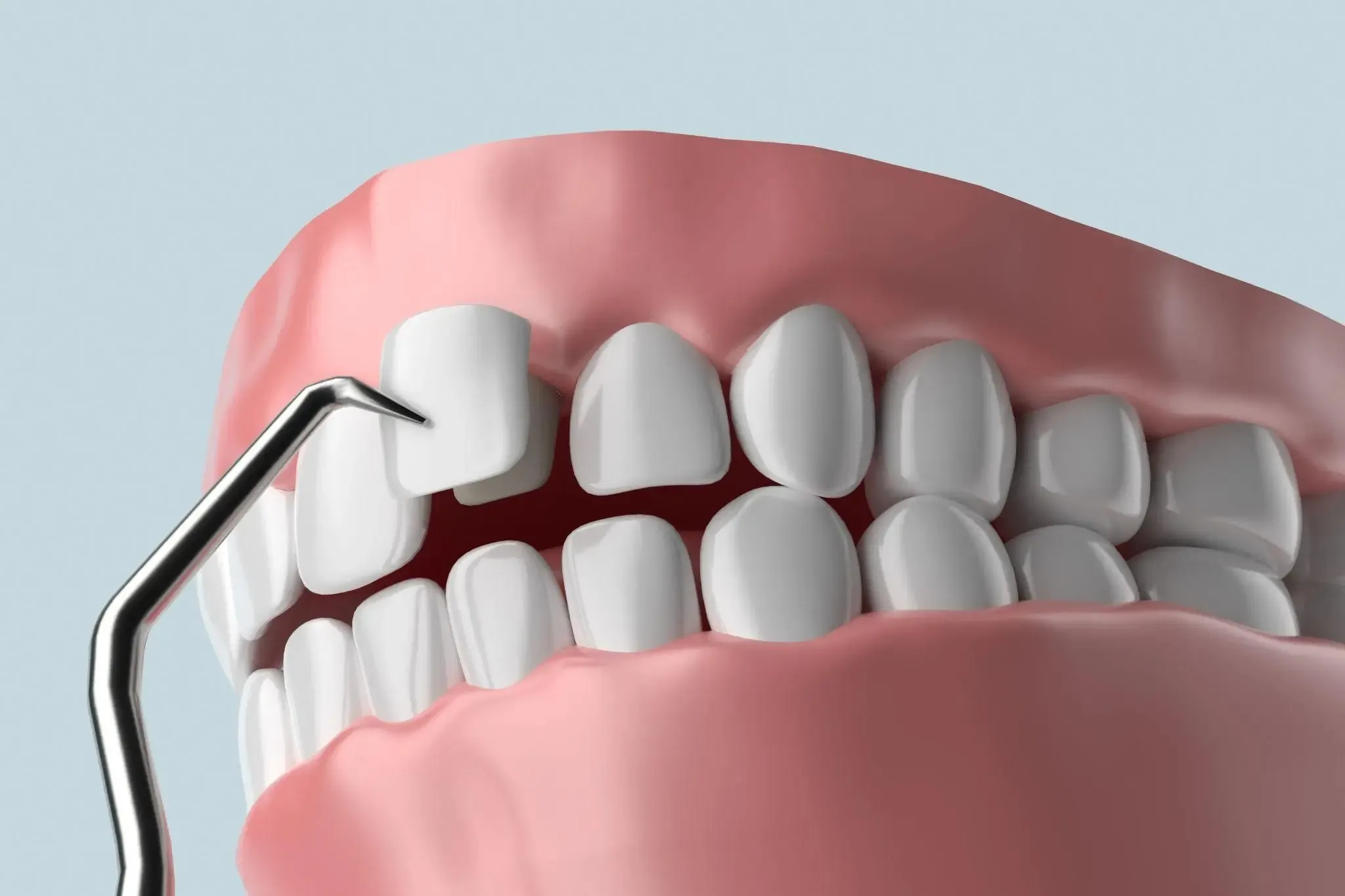
Pros and Cons of Porcelain Veneers – Are They Right for You?Explore the main pros and cons of porcelain veneers to help you decide if this cosmetic dental treatment is the right choice for your smile.
February 26, 2026
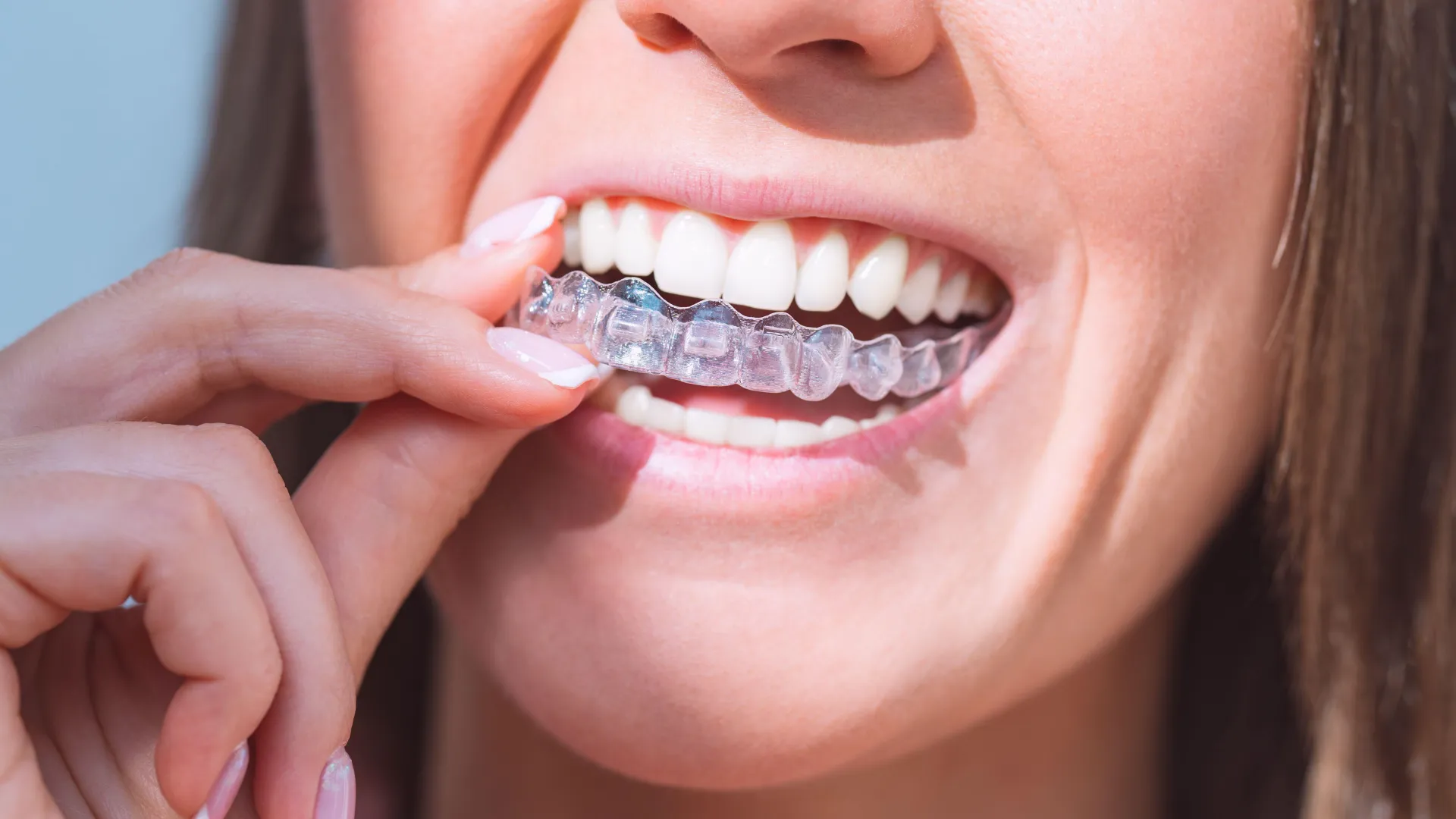
Invisalign vs At-Home Aligners – Which Teeth-Straightening Option Is Right for You?Compare Invisalign with at-home aligners to find out which teeth-straightening option suits your lifestyle, budget, and dental needs. Learn the pros, cons, and key differences.
February 08, 2025

January 28, 2025

January 10, 2025

January 05, 2025

January 01, 2025
