


March 01, 2026
How to Prevent and Treat Bleeding Gums During BrushingLearn effective tips to prevent and treat bleeding gums while brushing. Discover causes, home remedies, and professional care to maintain healthy gums.

March 01, 2026
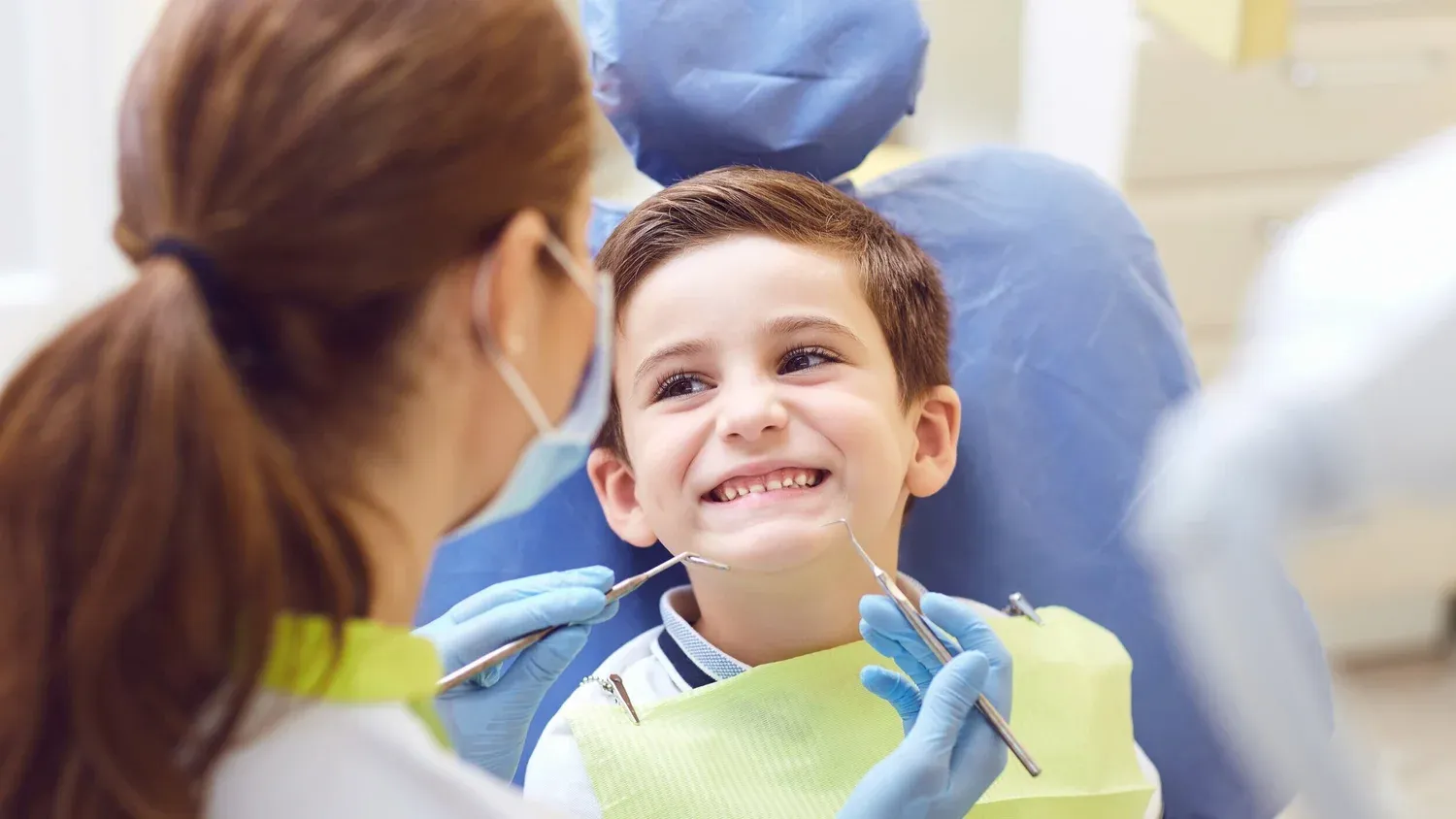
Visiting the dentist is often seen as a daunting experience for children. Strange tools, unfamiliar surroundings, and fear of discomfort make many kids nervous, sometimes even resisting essential dental care. However, positive early experiences can shape a child’s perception of oral health, making them more likely to maintain healthy habits throughout their life. Parents and caregivers play a crucial role in transforming dental visits into enjoyable and stress-free experiences. This article explores five practical tips to make the dentist fun for kids, providing strategies, examples, and expert advice for each.
Preparation is one of the most effective ways to ease a child’s anxiety about visiting the dentist. Children often fear the unknown, so understanding what to expect can significantly reduce their stress.
Parents can simulate a dental visit at home. Let your child play the dentist with a toothbrush and mirror while you act as the patient. This role reversal makes children feel empowered and familiarizes them with the process. Role-play can also help children understand that the dentist’s role is to help, not to hurt.
Avoid words that might cause fear. Instead of “hurt” or “pain,” use phrases like “a little wiggle” or “a tiny check.” Emphasize the positive outcomes, such as “clean teeth” and “super strong teeth.” Repeated positive language helps children associate the dentist with good feelings.
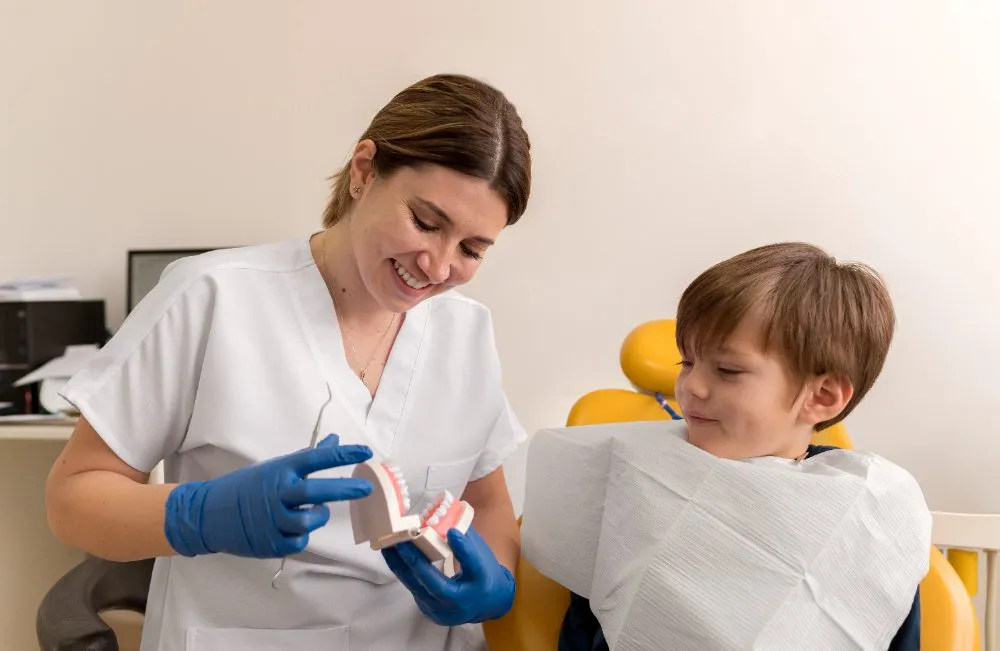
Videos and cartoons showing friendly dentists and happy dental visits can make the experience more relatable. Digital apps that simulate brushing or dental checkups also provide interactive learning opportunities.
Even small choices, like picking the color of their dental bib or choosing which toothpaste flavor to use, can give children a sense of control and reduce anxiety. When kids feel involved, they are more cooperative during the visit.
Example: Sarah, a mother of a 4-year-old, prepared her daughter by reading a book about a “tooth superhero” who visits a friendly dentist. Her daughter went to her first dental appointment excited to meet the “tooth superhero,” making the experience smooth and enjoyable.
The choice of dentist can significantly impact a child’s perception of dental care. Pediatric dentists are specifically trained to work with children and make visits engaging and comfortable.
Pediatric dentists often explain procedures step-by-step in simple language, show children the tools, and allow them to touch or hold them (if safe). This transparency reduces fear of the unknown. They also praise and reward children for brave behavior, reinforcing positive experiences.
Example: A father chose a pediatric dentist with a “superhero” themed office for his 6-year-old son. The boy enjoyed playing with toys in the waiting area and even asked to visit the dentist again because it felt like an adventure.
Children are naturally motivated by games and rewards. Turning a dental visit into a fun activity can transform it from a source of fear into an enjoyable experience.
Many parents report that children who are part of a reward system are more cooperative and less fearful. For example, a mother created a “Tooth Fairy Passport” for her 5-year-old. Each visit earned a stamp, and after five stamps, the child received a small reward. The child was excited to go to each appointment and proudly showed the passport to friends.
Familiar items from home can provide a sense of security during an unfamiliar and sometimes intimidating experience.

Allow your child to choose the comfort item they want to bring. This gives them control and reduces feelings of vulnerability. For example, letting a child pick a special toy to hold during the visit can make them feel more secure and engaged.
Example: John, a mother of twins, allowed her daughters to bring their favorite stuffed animals to their dental appointments. Both girls were calm and cooperative, and even asked if their stuffed animals could “check their teeth too” in a playful way.
Children have short attention spans, and long appointments can increase anxiety. Scheduling and framing visits positively can improve their experience.
Example: Emma, a parent of a 7-year-old, scheduled short 15-minute checkups every six months. Her daughter became comfortable with the routine and began looking forward to each visit, especially because she received praise and a sticker afterward.
While the five main tips are essential, a few extra strategies can make dental visits even more successful:
Visiting the dentist doesn’t have to be a stressful or scary experience for children. By preparing them beforehand, choosing a child-friendly dentist, making visits fun with games or rewards, allowing comfort items, and keeping appointments short and positive, parents can create enjoyable and memorable dental experiences. Early positive experiences with dental care foster healthy habits, reduce anxiety, and build confidence. With patience, creativity, and consistency, the dentist can become a place where children not only maintain healthy teeth but also develop lifelong positive attitudes toward oral health.
March 01, 2026
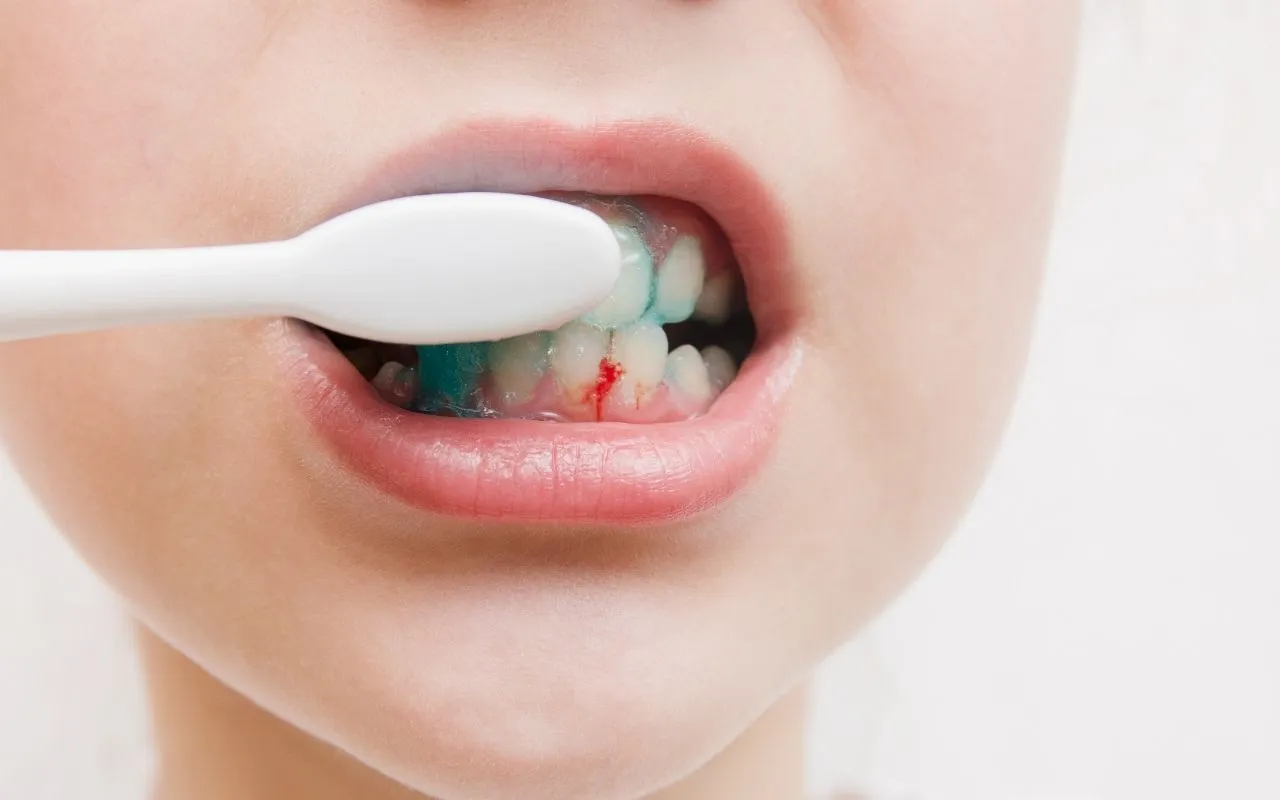
How to Prevent and Treat Bleeding Gums During BrushingLearn effective tips to prevent and treat bleeding gums while brushing. Discover causes, home remedies, and professional care to maintain healthy gums.
March 01, 2026
What If I Haven’t Seen a Dentist in Years? What to Do NextHaven’t visited a dentist in years? Learn what to expect, how to prepare, and why it’s never too late to restore oral health.
February 08, 2025

January 28, 2025

January 10, 2025

January 05, 2025

January 01, 2025
