


March 01, 2026
5 Tips for Making the Dentist Fun for KidsTurn dental visits into a positive experience with fun, simple tips that help kids feel relaxed, confident, and excited to see the dentist.


March 01, 2026
Many people avoid visiting the dentist for years. The reasons vary fear of pain, anxiety, busy schedules, or simply thinking it’s unnecessary. However, skipping dental checkups for long periods can have serious consequences for oral health. If you find yourself asking, “What if I haven’t seen a dentist in years?” don’t panic. It’s never too late to take control of your dental health and restore a confident, healthy smile.
Dental health plays a crucial role in overall well-being. Poor oral hygiene is not just about cavities and tooth loss; it can also contribute to gum disease, infections, and even systemic health issues such as heart disease and diabetes. Returning to the dentist after a long absence can feel overwhelming, but understanding the process and taking small, manageable steps can make the experience smooth and empowering. This article explores what to expect, the potential consequences of neglect, and strategies for regaining and maintaining optimal oral health.
Going years without seeing a dentist can lead to a range of oral health issues, many of which develop silently over time. One of the most common problems is tooth decay. Without regular professional cleaning and checkups, plaque and tartar build up on the teeth, eventually leading to cavities. Left untreated, cavities can progress deeper into the tooth, causing pain, infection, or even tooth loss.Another significant concern is gum disease, which often starts without noticeable symptoms. Gingivitis, the early stage of gum disease, causes redness, swelling, and bleeding during brushing or flossing. Without treatment, it can progress to periodontitis, which damages the bone and tissues supporting the teeth. This condition can ultimately lead to tooth loss if ignored for years.
Prolonged neglect can also result in bad breath and oral infections. Persistent halitosis may indicate plaque buildup or gum disease, while untreated infections can escalate into painful abscesses. In severe cases, these infections may even affect other parts of the body, underscoring the importance of prompt treatment.Tooth discoloration is another common issue. Years without professional cleanings can leave teeth covered in plaque, tartar, and surface stains from foods, beverages, or smoking. While cosmetic in nature, discoloration can affect self-confidence and make people reluctant to smile. Beyond the mouth, poor oral health can affect overall health. Research has linked untreated gum disease to heart disease, diabetes, respiratory infections, and complications in pregnancy. This connection highlights that dental visits are not only about teeth they are essential for maintaining holistic health.
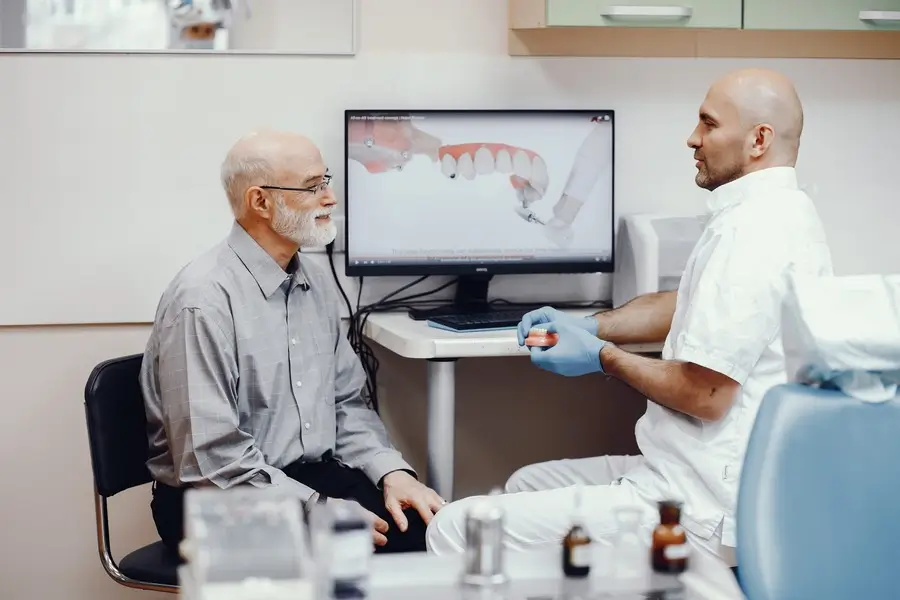
The thought of visiting the dentist after a long hiatus can be intimidating. Understanding what to expect can reduce anxiety and make the process more manageable. When you finally schedule a visit, the dentist will conduct a comprehensive examination. This involves checking for cavities, assessing gum health, evaluating previous dental work, and sometimes screening for oral cancer. Depending on your oral history, the dentist may recommend X-rays to identify issues that aren’t visible during a standard examination, such as decay between teeth, impacted teeth, or bone loss. These steps provide a complete picture of your oral health and allow for a tailored treatment plan. A professional teeth cleaning is usually necessary during your first visit after years of neglect. Even with consistent home care, plaque and tartar can accumulate over time, requiring scaling and polishing. This not only restores the appearance of your teeth but also helps prevent further decay and gum disease. After the examination and cleaning, the dentist will outline a treatment plan. This plan is based on the urgency of your dental issues and may include fillings, gum therapy, extractions, or cosmetic procedures. Dentists typically prioritize treatment, ensuring that urgent problems are addressed first, while less critical issues are scheduled for later appointments.
For many people, avoiding the dentist for years is closely linked to dental anxiety. Overcoming this fear is possible with proper communication and gradual exposure. It helps to share your concerns openly with your dentist. A professional will take time to explain procedures, answer questions, and move at a pace that feels comfortable. Some individuals find it helpful to start with a simple cleaning or consultation before undergoing more extensive procedures. This allows you to become familiar with the dental environment and build trust. Bringing comfort items, such as headphones, music, or even a stress ball, can also help reduce anxiety. Relaxation techniques like deep breathing, visualization, or mindfulness can make a significant difference. Mentally preparing yourself and practicing calming strategies can help you remain composed during the visit.
Depending on the state of your oral health, you may require several treatments. Fillings and restorations are common for repairing cavities. Dentists can also use crowns, bridges, or onlays to restore tooth structure. If gum disease is present, treatment may include scaling and root planing, antibiotics, or more specialized therapies. In cases where teeth are severely damaged or decayed, tooth extraction may be necessary. Fortunately, modern dentistry offers various replacement options, such as implants, bridges, or dentures, ensuring function and aesthetics are restored. Cosmetic treatments like teeth whitening or veneers can also improve the appearance of stained or discolored teeth, boosting self-confidence. Preventive care is crucial to avoid repeating years of neglect. Dentists may recommend fluoride treatments, sealants, or personalized home care routines. These steps are designed to protect teeth, reduce the risk of cavities, and maintain gum health over time.

Once you’ve returned to the dentist, maintaining a consistent dental routine is essential. Regular dental checkups, ideally every six months, allow dentists to monitor your oral health, catch potential problems early, and perform professional cleanings. Daily oral hygiene is equally important. Brushing at least twice a day with fluoride toothpaste, flossing once daily, and using mouthwash when recommended form the foundation of healthy teeth and gums. Maintaining a healthy diet, limiting sugary foods and drinks, avoiding tobacco, and staying hydrated all support oral health. Tracking progress can also help. Keeping a calendar or setting reminders for dental appointments ensures consistency. Celebrating milestones, such as cavity-free visits or improved gum health, reinforces positive habits and motivates continued care.
When it comes to oral health, everyone’s situation is unique. Certain health conditions, dental histories, and personal concerns can impact how a dentist approaches treatment. Understanding these special considerations can help you navigate dental visits with confidence, especially if you haven’t seen a dentist in years.
Some individuals may have underlying medical conditions that can directly influence oral health. For instance:
Tip: Always provide your dentist with a complete medical history. This ensures treatments are safe and tailored to your specific needs.
For those with severe dental problems or long-term neglect, general dental care may not be enough. Specialist care can provide targeted solutions:
Tip: A referral to a specialist does not mean something is “wrong”; it ensures you get precise care for complex issues.
Dental anxiety is a common barrier for many people, especially those avoiding appointments for years. Fortunately, modern dentistry offers ways to make visits more comfortable:
Tip: Don’t let fear prevent you from seeking care. Discuss anxiety openly with your dentist they can create a plan to keep you comfortable.
Avoiding the dentist for years can lead to more serious and costly problems:
Tip: Scheduling an appointment even after years of avoidance is the first step toward regaining a healthy smile. Early intervention is key.
Even if it has been years since your last dental visit, it’s never too late to start:
Avoiding the dentist for years can feel overwhelming, but it’s never too late to take action. Returning to dental care involves understanding the risks of neglect, knowing what to expect during your first visit, addressing anxiety, and following a personalized treatment plan. Establishing a consistent dental routine and embracing preventive care ensures long-term oral health and overall well-being. Modern dentistry is equipped to restore smiles, relieve discomfort, and prevent further damage. By taking proactive steps and maintaining regular checkups, you can transform years of avoidance into a journey toward a healthy, confident smile. No matter how long it’s been, the first step is always the most important schedule your appointment and start prioritizing your dental health today.

March 01, 2026
5 Tips for Making the Dentist Fun for KidsTurn dental visits into a positive experience with fun, simple tips that help kids feel relaxed, confident, and excited to see the dentist.

March 01, 2026
Is It Normal to Feel Nervous Before a Dental Cleaning?Feeling anxious before a dental cleaning is common. Learn why it happens and how to ease dental nerves for a stress-free visit.
February 08, 2025

January 28, 2025

January 10, 2025

January 05, 2025

January 01, 2025
