Understanding the Importance of Dental Education
Dental health plays a crucial role in overall well-being. Patients often underestimate the long-term impact of neglecting oral hygiene. Educating patients effectively empowers them to take charge of their dental health. Understanding oral care, the risks of neglect, and preventive measures motivates individuals to adopt lifelong habits that preserve their smiles and enhance their quality of life. Routinedental check-ups serve as a cornerstone of preventive care.
Early Habits Shape Lifelong Behavior
Starting dental education at an early age sets the foundation for lifelong oral care. Children who learn proper brushing and flossing techniques, understand the impact of sugary foods, and appreciate regular dental visits often carry these habits into adulthood. Parents can support this by following expert guidance on children’s dental health. Pediatric dentists and caregivers play a vital role in reinforcing these behaviors consistently, ensuring young patients develop a strong sense of responsibility for their oral health.
Personalized Education Increases Compliance
Every patient has unique needs, and a one-size-fits-all approach does not work effectively. Dentists who tailor education to individual circumstances—such as age, lifestyle, diet, and existing oral conditions—see higher compliance rates. Explaining the “why” behind each recommendation and connecting it to tangible outcomes helps patients understand the importance of their actions. Personalized guidance, including advice on professional dental hygiene, transforms dental visits from routine obligations into empowering experiences.
Effective Communication Builds Trust
Dental professionals must communicate in clear, accessible language. Avoiding technical jargon ensures patients grasp instructions and recommendations fully. Active listening also plays a key role. When dentists acknowledge patient concerns and questions, they build trust and encourage honest dialogue. Patients who trust their dentists are more likely to follow prescribed routines and adopt preventive measures. Learning about gum and periodontal care can help patients see the tangible benefits of preventive routines.
Visual Demonstrations Enhance Learning
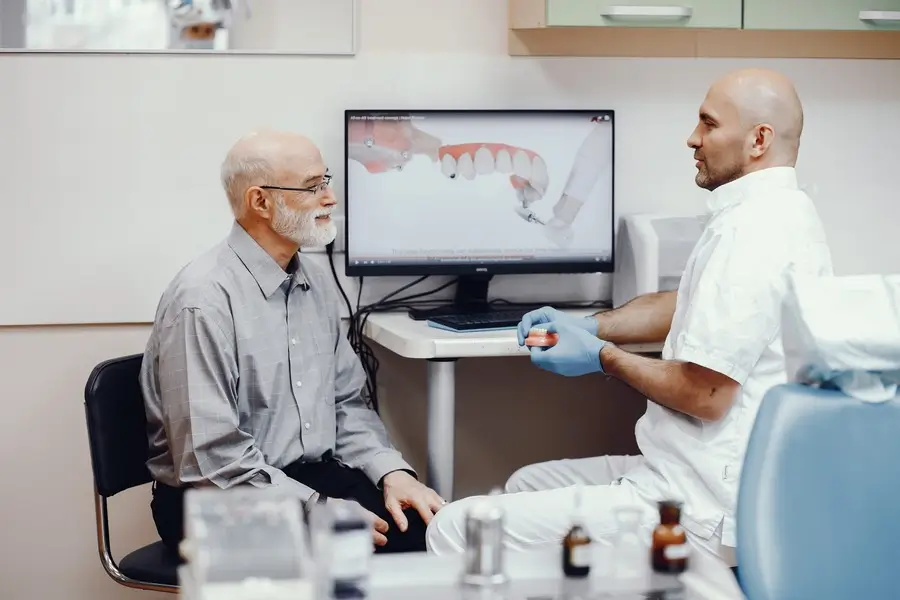
Visual aids significantly improve patient understanding. Demonstrating brushing and flossing techniques, showing the effects of plaque and tartar through models, and using intraoral cameras to display real-time images of a patient’s mouth make education tangible. Patients retain information better when they can see the results of their actions or inactions. For guidance on at-home care for specific treatments, including Invisalign, resources like cleaning Invisalign traysensure patients maintain optimal hygiene.
Reinforcing Habits Through Consistency
Consistency reinforces dental habits. Daily brushing, flossing, and rinsing should become automatic routines rather than occasional tasks. Dentists can support habit formation by providing schedules, checklists, and follow-up reminders. Encouraging patients to track their progress and celebrate milestones fosters a sense of achievement. Over time, consistent behaviors transform into lifelong practices that maintain oral health effortlessly. Learning how often to change your toothbrush, as explained in this guide, strengthens this routine.
Empowering Patients Through Self-Care Tools
Providing patients with tools like electric toothbrushes, floss picks, interdental brushes, and oral rinses empowers them to maintain care independently. Dentists should explain how and when to use each tool effectively. Knowledge paired with proper tools enhances patient confidence, increases adherence, and ensures that care continues consistently between dental visits. Empowered patients feel a sense of ownership over their oral health and take proactive steps to protect it.
Monitoring Progress and Providing Feedback
Regular monitoring and feedback sustain long-term dental habits. Dentists should review patient oral hygiene practices, track improvements, and address challenges during each visit. Constructive feedback highlights achievements and identifies areas for improvement without discouraging the patient. This continuous cycle of monitoring, feedback, and reinforcement strengthens patient commitment and ensures that positive behaviors endure throughout life.
Building Awareness About Long-Term Consequences
Patients benefit from understanding the long-term consequences of neglecting dental care. Gum disease, tooth decay, and tooth loss can affect nutrition, speech, and self-confidence. Systemic complications such as heart disease, diabetes, and respiratory infections further highlight the importance of oral health. Educating patients about these long-term outcomes emphasizes the significance of their daily choices and reinforces the urgency of preventive care.
Conclusion: Transforming Education into Action
Patient education is far more than providing instructions; it is a comprehensive process that shapes lifelong habits, encourages proactive care, and empowers individuals to take ownership of their oral health. By combining personalized guidance, clear communication, visual demonstrations, technological tools, and consistent support, dental professionals can transform knowledge into meaningful action. Patients who embrace education actively maintain healthier teeth and gums, prevent complications, and enjoy the confidence and well-being that lifelong dental care provides. Effective patient education creates not only informed individuals but also communities that value oral health as a cornerstone of overall wellness. For more details or to get in touch with the practice, visit Kirkby Dental Contact.