


March 06, 2026
Patient Education: Building Lifelong Dental Care Habits | Kirkby DentalLearn how patient education can help build lifelong dental care habits, prevent oral health issues, and empower you to maintain a healthy, confident smile.

March 06, 2026
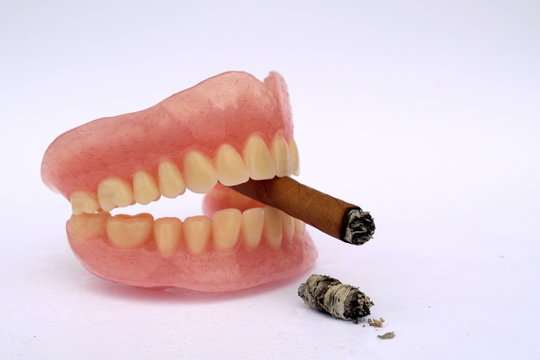
Smoking poses a severe threat to overall health, but its impact on oral health remains underappreciated. Every puff of a cigarette introduces thousands of toxic chemicals into the mouth. These substances directly affect the delicate tissues in the oral cavity, leading to a cascade of oral health problems. From staining teeth to causing gum disease, the consequences of smoking extend far beyond bad breath and yellow teeth. Understanding the hidden dangers of smoking on oral health is essential for anyone looking to maintain a healthy smile and prevent long-term complications. Regular dental check-ups can help detect early signs of damage caused by smoking.
Smoking changes the balance of microorganisms in the mouth. The heat, chemicals, and tar in tobacco products create an environment where harmful bacteria thrive. Beneficial bacteria that help protect teeth and gums decrease, while pathogenic bacteria increase, promoting plaque formation and gum infections. The changes in oral microbiology make smokers more susceptible to periodontitis, cavities, and infections that resist conventional treatments. Even a short period of smoking can disrupt this balance, causing lasting effects that compromise oral health over time. Visiting a professional hygienist can help restore oral balance.
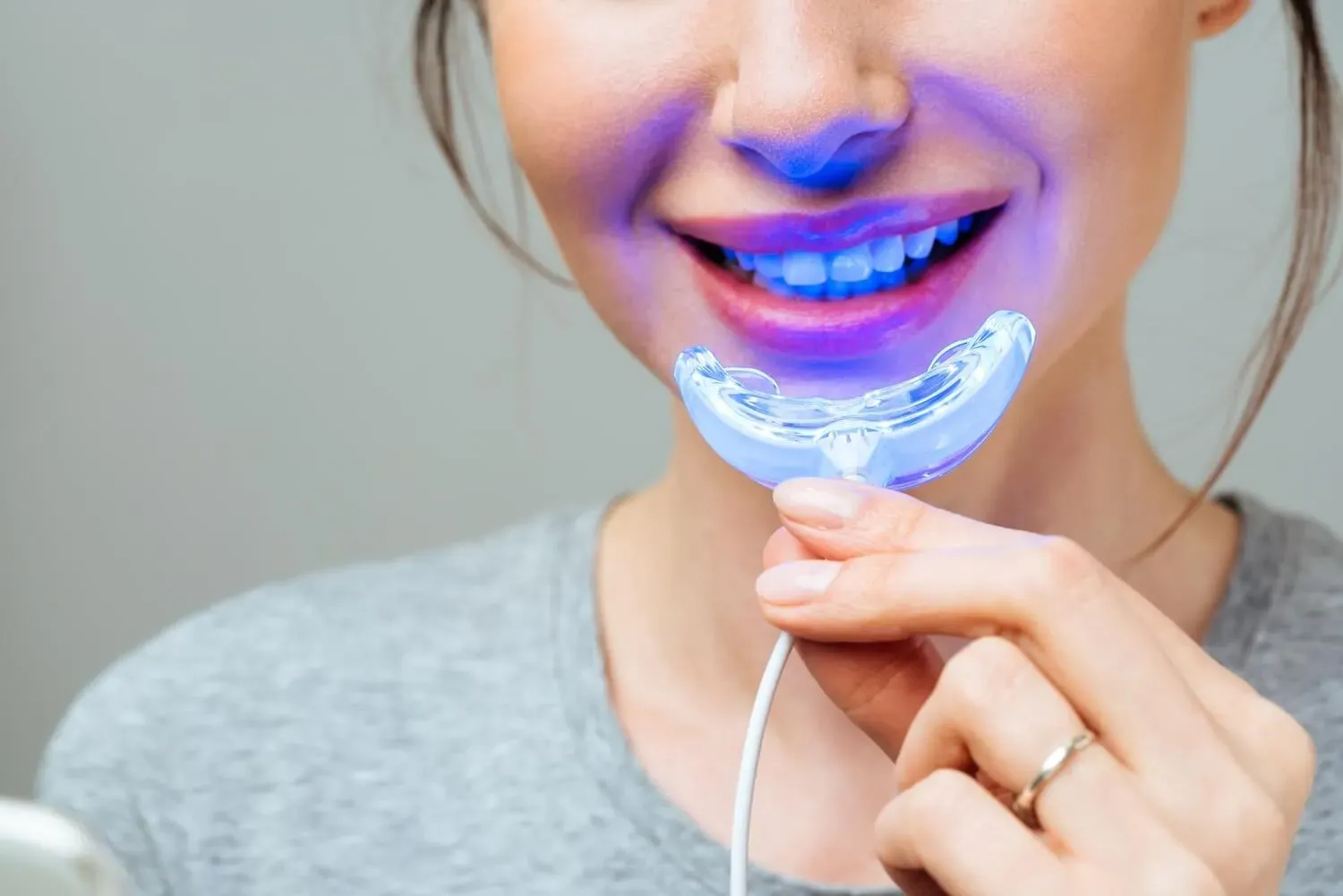
One of the most visible effects of smoking is tooth discoloration. Tar and nicotine in cigarettes penetrate the porous surfaces of teeth, leaving yellow or brown stains. Over time, these stains deepen, becoming difficult to remove even with professional cleaning. Smoking also accelerates enamel erosion, which amplifies discoloration and weakens the teeth’s natural protective barrier. While whitening treatments can temporarily improve appearance, continued smoking undoes progress, leaving a constant struggle against staining and the social stigma associated with it. Advanced solutions like professional teeth whitening can help counteract stains, but quitting remains crucial.
Gum disease, or periodontal disease, represents a serious risk for smokers. Chemicals in tobacco reduce blood flow to the gums, limiting their ability to heal and fight infection. The reduced oxygen supply weakens gum tissue, allowing bacteria to attack more aggressively. Gingivitis, the early stage of gum disease, often progresses unnoticed in smokers because nicotine suppresses inflammation, masking warning signs like redness and swelling. As the disease advances, it destroys the bone and connective tissue supporting teeth, potentially leading to tooth loss. Smokers face more severe periodontal disease, slower recovery after treatment, and a higher risk of tooth loss compared to non-smokers. Learn more about periodontics treatment to manage gum issues.
Smoking drastically increases the risk of oral cancer. The carcinogens in tobacco damage the DNA of oral cells, triggering uncontrolled growth that can lead to malignant tumors. Oral cancers often develop in the lips, tongue, cheeks, and the floor of the mouth. Early symptoms may include persistent sores, lumps, or unexplained bleeding, which are frequently ignored until the disease advances. Smokers are not only more likely to develop oral cancer but also face lower survival rates because the disease is typically detected in later stages. Quitting smoking remains the most effective way to reduce this risk and protect long-term oral health.
Saliva plays a crucial role in maintaining oral health by neutralizing acids, washing away food particles, and delivering minerals that protect teeth. Smoking reduces saliva production, creating a dry mouth environment that favors bacterial growth and accelerates tooth decay. Oral dryness also increases discomfort, making it harder to speak, chew, or swallow. Chronic dry mouth further contributes to bad breath and gum irritation. Smokers may experience persistent discomfort due to decreased saliva, which complicates oral hygiene and exacerbates other oral health issues.
Smoking interferes with the body’s natural healing processes. Chemicals in tobacco constrict blood vessels, reducing nutrient and oxygen supply to oral tissues. This delayed healing affects recovery from dental procedures, including tooth extractions, root canals, and gum surgeries. Smokers face higher rates of infection, dry sockets, and complications after oral surgery. Even minor injuries, such as cuts or abrasions in the mouth, heal more slowly, increasing the likelihood of persistent infections. Dental treatments may require more sessions and longer recovery times, creating both health and financial burdens for smokers. For guidance, refer to the tooth extraction guide.
Persistent bad breath, or halitosis, is a common consequence of smoking. Tobacco smoke leaves lingering odors in the mouth and contributes to bacterial growth, producing foul-smelling compounds. Smokers often experience stronger, more persistent breath odors compared to non-smokers. Chewing gum or using mouthwash may temporarily mask the smell, but the underlying bacterial imbalance continues to worsen. Over time, chronic bad breath can affect social interactions and self-confidence, making oral hygiene a constant challenge for smokers. Understanding how smoking affects teeth and gums is key to addressing this issue.
Quitting smoking represents the most powerful step to protect oral health. The body begins to heal almost immediately after cessation, with improvements in blood flow, immune response, and saliva production. Regular dental visits, proper brushing and flossing, and a healthy diet are crucial to reversing the damage caused by smoking. Treatments likedental implants may become necessary in severe cases of tooth loss, but prevention remains far superior. Combining these practices with smoking cessation dramatically reduces the risk of severe oral health issues and promotes a lasting, healthy smile.
Smoking silently erodes oral health, affecting teeth, gums, saliva, and the bone structure that supports the smile. From discoloration and bad breath to severe periodontal disease and oral cancer, the risks are profound and often overlooked. Smoking masks symptoms of early gum disease, delays healing, and interferes with dental treatments, compounding long-term damage. Recognizing the hidden dangers of smoking on oral health emphasizes the importance of quitting and adopting proactive oral care. A commitment to stopping tobacco use, combined with proper hygiene and professional care, protects not only the smile but also overall health and quality of life. Every choice to quit smoking contributes to stronger teeth, healthier gums, and a confident, vibrant appearance that reflects true wellness.
March 06, 2026
Patient Education: Building Lifelong Dental Care Habits | Kirkby DentalLearn how patient education can help build lifelong dental care habits, prevent oral health issues, and empower you to maintain a healthy, confident smile.
.webp "Preventive Dentistry Tips for Children | Start Healthy Oral Habits Early")
March 06, 2026
Preventive Dentistry Tips for Children | Start Healthy Oral Habits EarlyDiscover essential preventive dentistry tips for children. Learn how to start healthy oral habits early, protect teeth from cavities, and build lifelong dental health.
February 08, 2025

January 28, 2025

January 10, 2025

January 05, 2025

January 01, 2025
