Getting orthodontic treatment for your child can be both exciting and stressful. Parents often wonder how braces or Invisalign will affect their child’s daily life, comfort, and self-esteem. Orthodontic treatment helps align teeth properly, improve bites, and promote long-term oral health. Both traditional braces and Invisalign offer effective solutions, though the approaches differ. Understanding the process and what to expect can make the experience smoother for both children and parents. This article will guide you through preparation, treatment, care, and long-term maintenance.
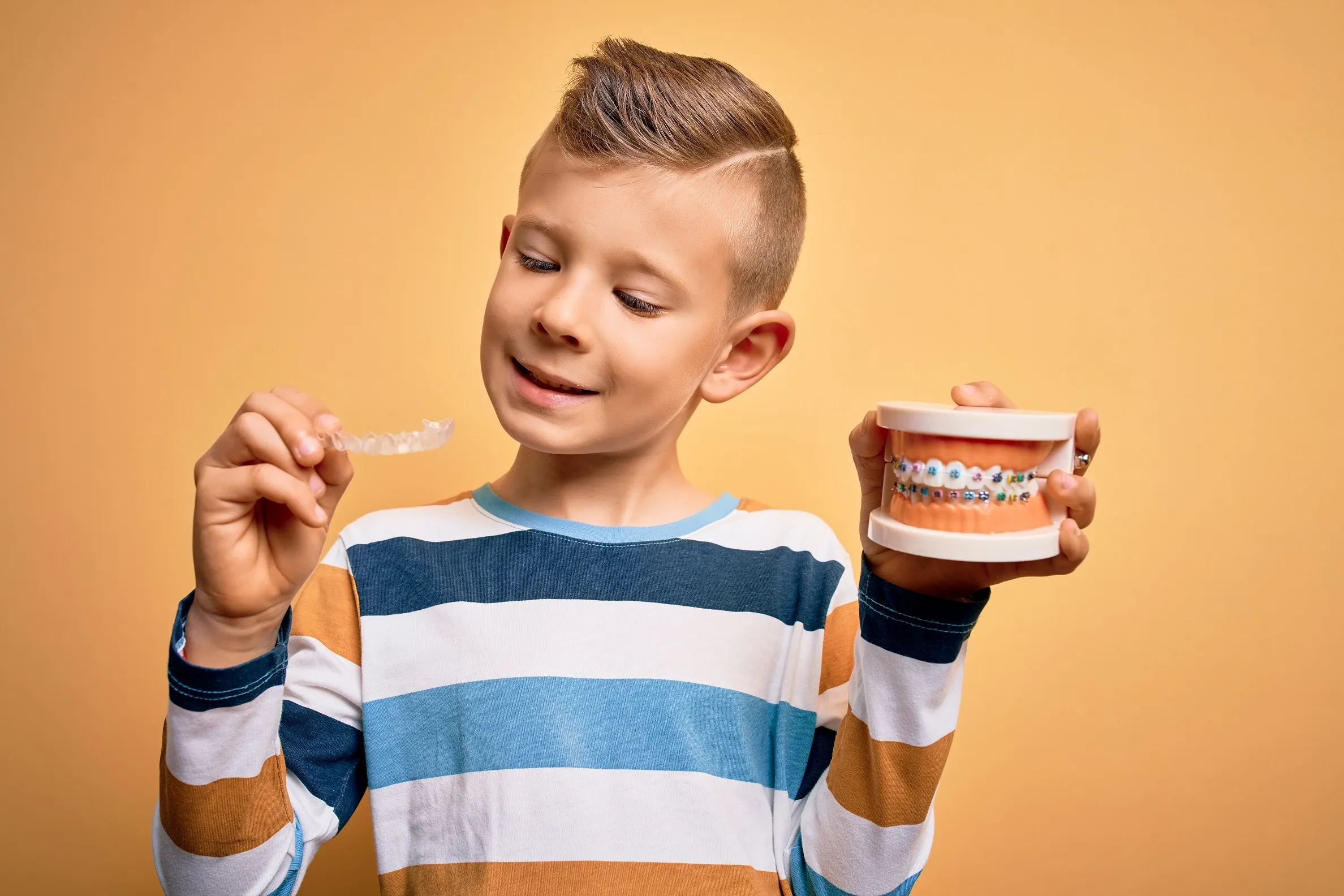
Traditional braces consist of metal or ceramic brackets attached to teeth, connected by wires and sometimes elastic bands. They are highly effective for correcting complex alignment issues, such as overcrowding or severe bite problems. Braces typically remain on teeth for 1–3 years, depending on the treatment plan. While effective, they may cause initial discomfort or soreness as teeth begin to shift. Kids can personalize braces with colorful bands, which can make treatment more fun. Daily life adjustments, including changes in eating and oral care routines, are important to prevent damage and maintain results.
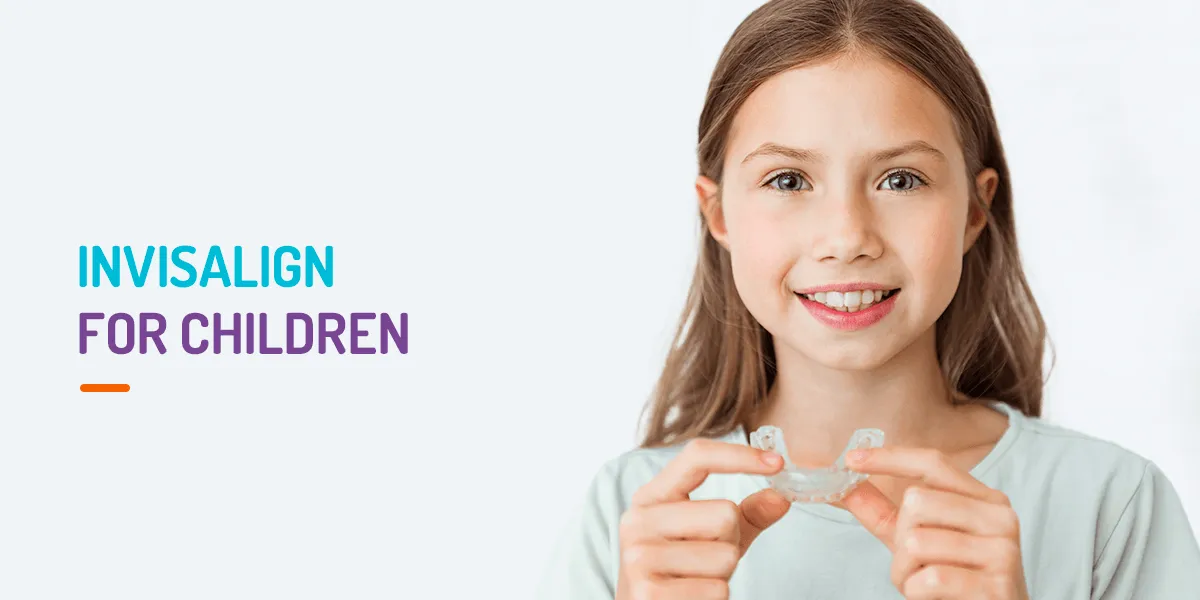
Invisalign uses a series of clear, removable aligners to gradually shift teeth into proper alignment. They are almost invisible, making them a discreet option that children may prefer for aesthetic reasons. Invisalign is best for mild to moderate dental issues, while complex problems may still require braces. Children must wear the aligners 20–22 hours daily for optimal results, removing them only for meals and oral hygiene. Aligners generally cause minimal discomfort, though slight pressure is normal when switching to a new set. Overall, they offer flexibility and comfort, especially for kids concerned about appearance.

Consultation and Assessment
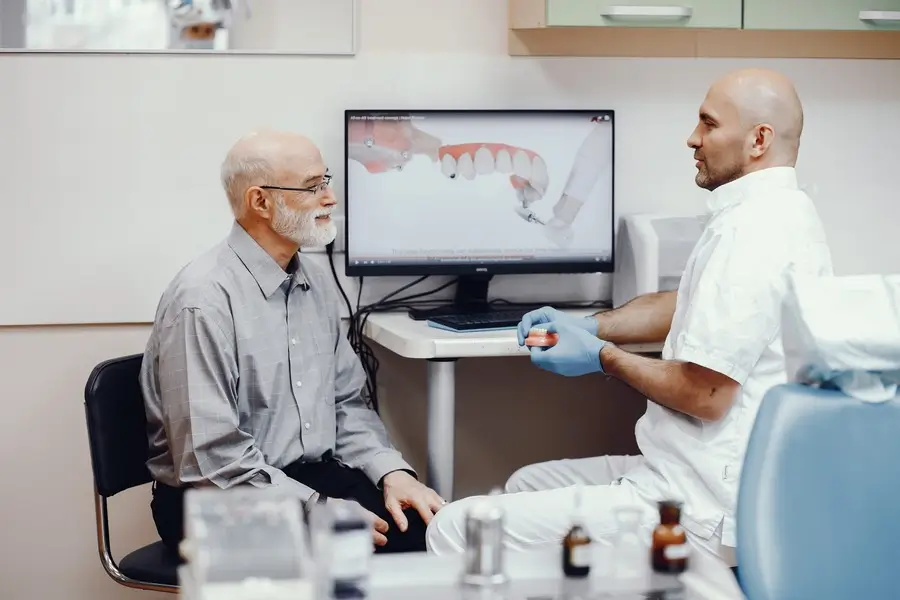
The first step in orthodontic treatment is a thorough consultation with a qualified orthodontist. The visit usually includes X-rays, photographs, and dental impressions to assess teeth, jaw alignment, and bite. Based on this evaluation, the orthodontist determines whether braces or Invisalign is more suitable. Sometimes, preparatory work like tooth extractions or space maintainers may be needed. The orthodontist will also estimate the treatment duration and milestones. Explaining the process to your child beforehand helps reduce anxiety and encourages cooperation throughout the treatment.
Mental and Emotional Preparation
Orthodontic treatment can be intimidating for children, so emotional preparation is essential. Talk openly about potential discomfort, changes in appearance, and new routines to set realistic expectations. Encourage questions and provide honest, age-appropriate answers to help ease fears. Use positive reinforcement and share stories of other kids who have successfully completed treatment. Helping children understand the benefits of straighter teeth and improved oral health can motivate compliance. Celebrating small milestones along the way boosts confidence and reduces stress.
What to Expect During Treatment
Initial Adjustments and Discomfort
When children first get braces, they may experience soreness, tightness, or mild irritation on their cheeks and lips. Invisalign can cause slight pressure, especially when switching to a new set of aligners. Over-the-counter pain relief, orthodontic wax, and soft foods can help manage discomfort. Oral hygiene is critical during this period to prevent irritation or cavities. The discomfort usually diminishes after the first few days as the mouth adjusts. Parents should reassure children that this is a normal part of the process and temporary.
Eating and Lifestyle Changes
Braces require avoiding sticky, hard, or sugary foods that can damage brackets or wires. Invisalign aligners are removable, allowing kids to eat most foods, but aligners must be cleaned afterward. Healthy snacks, hydration, and balanced meals are essential for maintaining oral health. Lunches at school or eating out may require planning to ensure aligners are removed and cleaned properly. Children involved in sports may need mouthguards to protect braces. Adjusting routines gradually helps children adapt without stress or frustration.
Oral Hygiene and Care
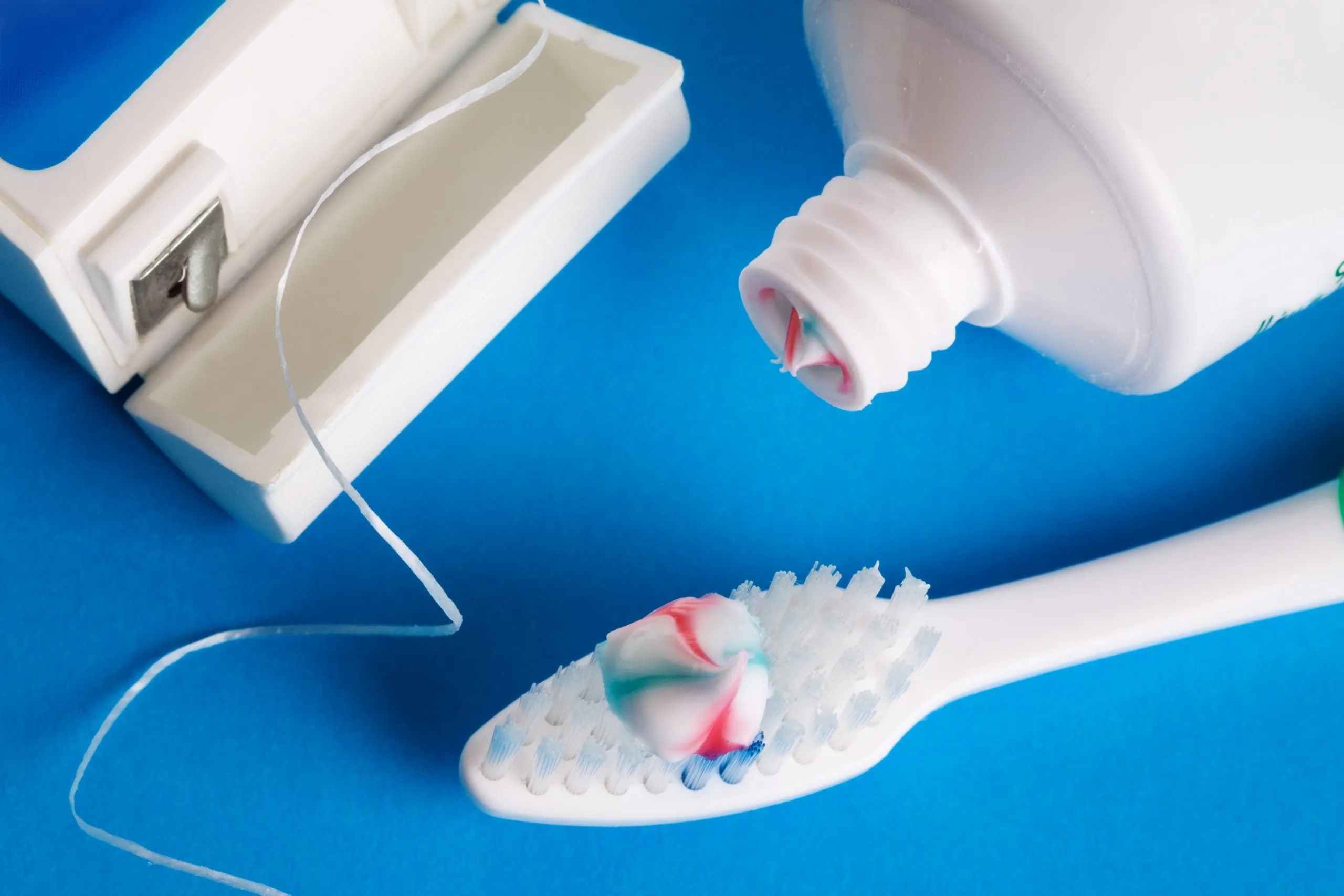
Proper oral hygiene is essential for preventing cavities, gum problems, and treatment delays. Braces require brushing after every meal, using floss threaders, interdental brushes, or water flossers to clean around brackets. Invisalign aligners must be cleaned daily, and teeth should be brushed before reinserting them. Regular dental check-ups ensure oral health is maintained during treatment. Kids should be encouraged to develop consistent brushing and flossing habits. Maintaining good hygiene also helps treatment progress efficiently and avoids unnecessary discomfort.
Regular Adjustments and Monitoring
Braces Adjustments
Braces require orthodontic visits every 4–8 weeks for wire tightening and bracket adjustments. These appointments ensure teeth are moving according to the treatment plan. Some discomfort is expected after each adjustment but typically fades within a few days. Broken brackets or wires should be addressed promptly to avoid delays. Parents should emphasize the importance of attending all appointments for consistent progress. Tracking milestones, like the first noticeable improvement in alignment, can motivate children.
Invisalign Check-ins
Invisalign aligners are typically changed every 1–2 weeks, depending on the treatment plan. Orthodontic check-ins every 6–8 weeks allow the professional to monitor progress and make refinements if needed. Children must wear aligners consistently, or results may be delayed. Compliance can be encouraged by setting daily reminders and tracking progress. Celebrating milestones, such as completing a set of aligners, can make treatment feel rewarding. Regular supervision ensures the treatment remains effective and timely.
Completion and Retention
Removing Braces or Final Invisalign Set
Completing treatment is an exciting milestone for children and parents. Braces are removed carefully, often accompanied by a cleaning and polishing of teeth. Invisalign treatment concludes with the final aligner, revealing a straighter smile. Mild sensitivity is normal after removal or finishing the last aligner. A final evaluation ensures teeth are properly aligned and bite issues are resolved. Celebrating this achievement helps children feel proud of their commitment and patience throughout treatment.
Retainers and Long-Term Care
Retainers are critical to maintaining the results of orthodontic treatment. They can be fixed or removable, depending on the child’s needs and orthodontist’s recommendation. Removable retainers must be worn as prescribed, usually nightly, to prevent teeth from shifting back. Proper cleaning and storage of retainers are essential to prevent damage or loss. Regular dental visits continue to monitor alignment and overall oral health. Maintaining healthy oral hygiene and wearing retainers consistently ensures long-term success of the treatment.
Tips for a Smooth Experience
Encourage children to approach orthodontic treatment positively and with patience. Keep soft foods available during initial adjustment periods to ease discomfort. Maintain open communication about any pain, concerns, or challenges. Use reminders for brushing, flossing, and wearing aligners consistently. Let children personalize braces or retainer designs to increase engagement. Celebrating milestones and progress encourages motivation and builds confidence throughout the treatment journey.
Conclusion
Braces and Invisalign both provide effective ways to correct dental alignment in children. Understanding the differences helps parents make informed decisions and prepare their kids emotionally and physically. Initial discomfort and routine changes are temporary and manageable with support. Regular adjustments, oral hygiene, and compliance with retainers ensure lasting results. Early consultation with an orthodontist can prevent more serious dental issues later. Ultimately, proper guidance and encouragement lead to healthier teeth, improved bites, and confident smiles for children.
FAQs
At what age should my child get braces or Invisalign?
Most children are evaluated around ages 7–14, depending on dental development.
Are Invisalign aligners suitable for all kids?
Invisalign works best for mild to moderate issues; complex cases may require braces.
How long does orthodontic treatment usually take?
Treatment generally lasts 12–24 months, depending on severity and compliance.
Will my child experience pain with braces or aligners?
Mild discomfort is common initially and after adjustments but usually subsides quickly.
How can I help my child maintain good oral hygiene?
Supervise brushing and flossing, clean aligners daily, and use special tools for braces.