


March 01, 2026
Managing Tooth Pain in Children | Home Relief & When to Call a DentistLearn safe home remedies to ease tooth pain in children and know the warning signs that mean it’s time to call a dentist for urgent care.

March 01, 2026
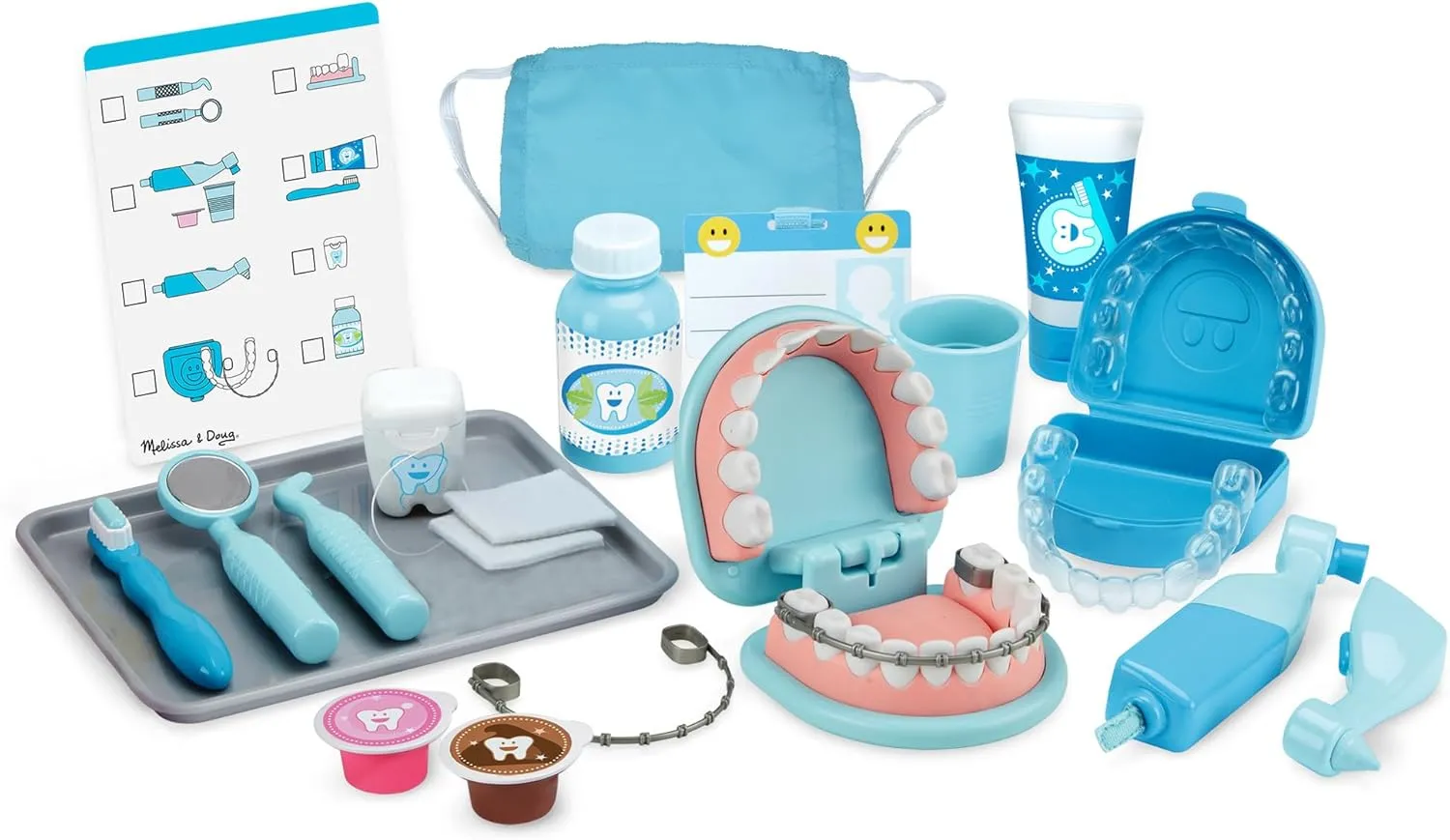
Maintaining dental hygiene at school is essential for your child’s oral health. Children often eat snacks during the day, which can increase the risk of cavities if teeth are not cleaned properly. Having a ready-to-use dental kit at school helps prevent tooth decay, freshens breath, and encourages independent oral care habits. A simple kit can make brushing, flossing, and rinsing easy, even outside the home. By providing the right tools, parents can ensure their children maintain a healthy smile. A well-organized kit also teaches responsibility and hygiene awareness.
Choosing the Right Toothbrush
Choosing the correct toothbrush is the first step to effective dental care. Children’s toothbrushes should have soft bristles and small heads to clean teeth without damaging gums. Fun designs or favorite cartoon characters can motivate children to brush regularly. Age-appropriate toothbrushes make it easier for kids to reach all areas of the mouth. Using the right toothbrush ensures that brushing is comfortable and effective. Parents should replace toothbrushes when bristles are worn or every three months.
Extra Toothbrushes
Keeping an extra toothbrush in the kit is always a smart idea. Sometimes a child may forget to bring their primary toothbrush or it may get lost. A spare ensures they can maintain proper hygiene without disruption. Regular replacement also reduces bacterial buildup on bristles. Parents can pack the spare in a protective cover to keep it clean. This small precaution ensures consistent oral care throughout the school day.
Fluoride Toothpaste
Fluoride toothpaste is crucial for preventing cavities and strengthening enamel. Even a small pea-sized amount is enough for young children. Fluoride protects teeth from decay caused by acids from food and plaque. Using the right amount prevents over-ingestion, which is important for kids under six. Fluoride toothpaste should be age-appropriate and child-safe. It is a simple yet powerful tool in maintaining long-term dental health.
Kid-Friendly Flavors
Children are more likely to brush consistently if they enjoy the taste of toothpaste. Mild, sweet flavors like strawberry or bubblegum are ideal. Avoid overly sugary flavors, which can contribute to cavities. Letting children choose their preferred flavor can make oral hygiene fun and engaging. Flavored toothpaste can reduce resistance to brushing at school. This encourages a positive attitude toward regular dental care.
Flossing Basics
Flossing removes plaque and food particles from areas toothbrushes cannot reach. It helps prevent gum disease and cavities between teeth. Floss picks or child-safe floss make the process simple and safe. Teaching children to floss early builds good dental habits. Regular flossing complements brushing for complete oral care. Even a few minutes a day can significantly improve oral health.
Alternatives for Younger Kids
For younger children who struggle with traditional floss, alternatives like soft picks or tiny brushes are useful. These tools are easier to handle and safer for small hands. They effectively clean between teeth without causing discomfort. Introducing these alternatives encourages children to floss regularly. Parents can gradually transition to regular floss as skills improve. These options make flossing less intimidating and more consistent.
Age-Appropriate Mouthwash
Mouthwash can help reduce plaque, freshen breath, and prevent cavities. For children, non-alcoholic, fluoride-based mouthwash is safe and effective. It is especially useful after snacks when brushing isn’t immediately possible. Mouthwash should never replace brushing or flossing but can complement them. Always supervise children to ensure proper use. Using the right mouthwash adds an extra layer of protection for teeth and gums.
When to Include Mouthwash
Mouthwash is optional for younger kids but beneficial for older children prone to cavities or bad breath. Including it in the school kit ensures they have a complete hygiene routine. Parents should teach proper rinsing techniques to prevent swallowing. Mouthwash is particularly useful for days with heavy snacking. Adding it is a simple step toward maintaining oral hygiene throughout the school day. It encourages a fresh, confident smile.
Toothbrush Covers and Holders
Toothbrush covers protect bristles from dust and germs at school. Ventilated covers allow airflow, preventing bacterial growth. A cover ensures the toothbrush stays clean between uses. Holding the toothbrush in a separate compartment of the kit keeps it sanitary. Covers are small, lightweight, and easy to carry. They are a simple yet essential addition to a school dental kit.
Small Travel Cases
A compact travel case keeps all dental items organized in one place. Toothbrush, toothpaste, floss, and mouthwash can fit neatly. A tidy kit encourages children to use it regularly and responsibly. Cases prevent leakage and damage to items during the day. Choosing a fun or personalized case can motivate kids further. Organization simplifies daily dental care at school.
Tongue Cleaner
Cleaning the tongue removes bacteria that cause bad breath and plaque buildup. Tongue scrapers designed for children are safe and easy to use. Regular use improves oral freshness and overall dental health. Adding one to the school kit encourages a more thorough hygiene routine. Kids develop awareness of complete oral care. Tongue cleaning complements brushing and flossing for a healthier mouth.
Sugar-Free Chewing Gum
Sugar-free gum stimulates saliva, which neutralizes acids and protects enamel. It is especially useful after snacks when brushing is not possible. Chewing gum helps maintain a fresh mouth between meals. Only sugar-free varieties are recommended to avoid cavity formation. It is a convenient and quick addition to the dental kit. Gum use can be a fun way to reinforce oral hygiene habits.
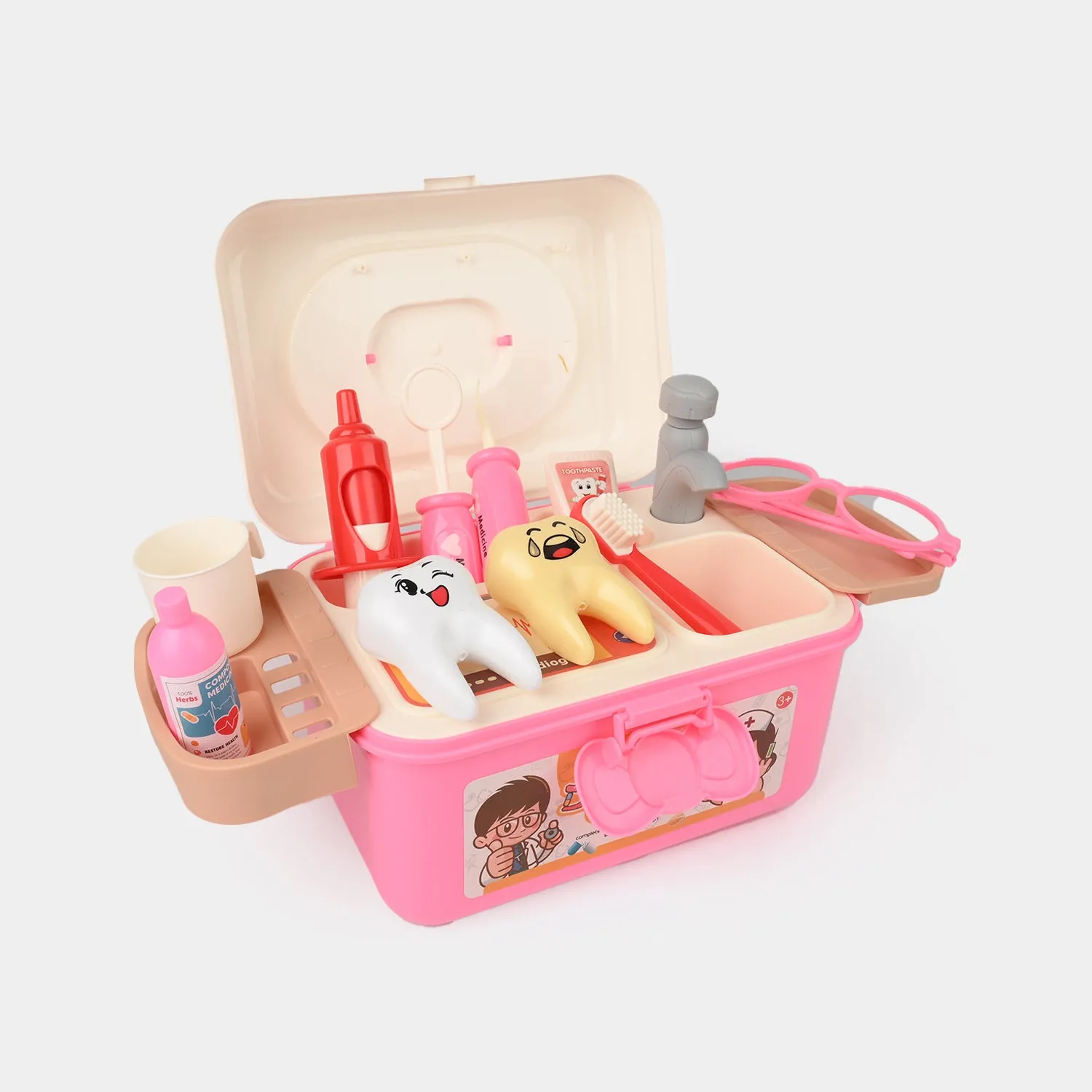
Check the kit weekly to replace used or expired items. Label each item to avoid mix-ups with classmates’ kits. Encourage children to use the kit daily after lunch or snacks. Involving children in assembling their kit helps build responsibility. Teach proper use of each tool to maximize benefits. A maintained and consistent dental kit supports lifelong healthy habits.
A school dental hygiene kit is a simple but effective way to protect your child’s oral health. It prevents cavities, ensures fresh breath, and fosters independence. Packing the right toothbrush, toothpaste, floss, mouthwash, and accessories equips children for a healthy day at school. Involving children in creating and maintaining the kit makes oral care engaging. Regular use reinforces lifelong dental habits. A well-planned kit is an investment in your child’s confident and healthy smile.
How often should my child use their dental kit at school?
After meals or snacks, ideally brushing for two minutes.
Can manual toothbrushes be used instead of electric ones?
Yes, soft-bristled manual brushes are effective and easier to pack.
Is mouthwash necessary for young children?
Not always; fluoride toothpaste is more important for daily use.
How do I make my child use the kit consistently?
Let them choose flavors, use fun cases, and supervise until habit forms.
How often should kit items be replaced?
Toothbrushes every three months, toothpaste as needed, floss when finished.
March 01, 2026
Managing Tooth Pain in Children | Home Relief & When to Call a DentistLearn safe home remedies to ease tooth pain in children and know the warning signs that mean it’s time to call a dentist for urgent care.
March 01, 2026
What to Expect When Kids Get Braces or Invisalign – Parent GuideLearn what to expect when kids start orthodontic treatment with braces or Invisalign. Understand the process, comfort level, adjustments, and care tips for parents.
February 08, 2025

January 28, 2025

January 10, 2025

January 05, 2025

January 01, 2025
