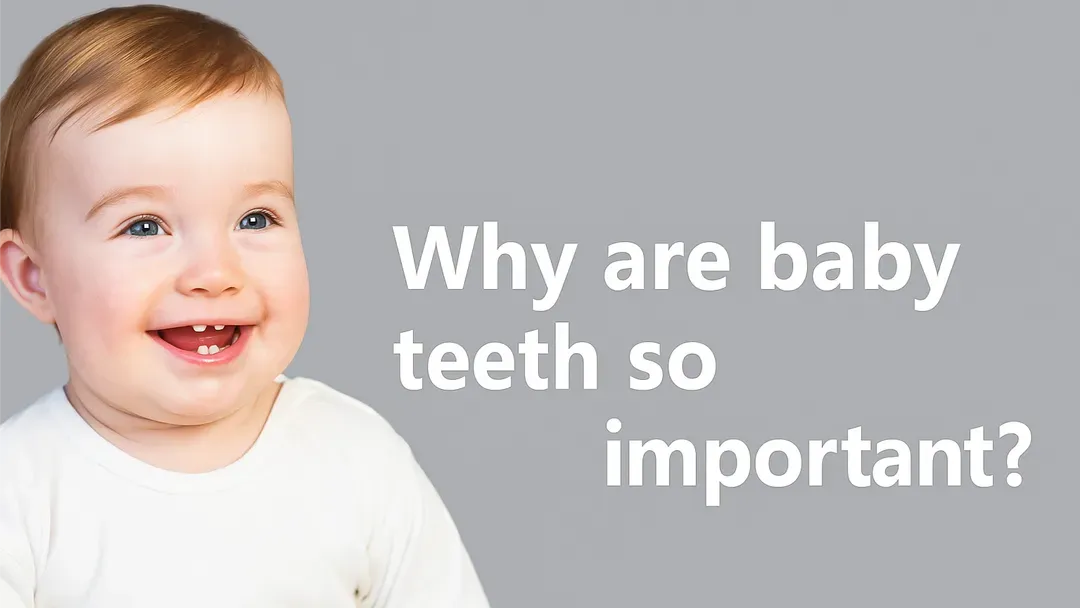
Many parents believe that baby teeth aren’t all that important since they eventually fall out. After all, why invest so much effort in something temporary? This common misconception, however, can lead to long-term dental and health problems for children.
In reality, baby teeth also known as primary teeth play a vital role in a child’s growth, oral health, and overall development. They help with chewing, speech, jaw alignment, and self-confidence. Just like adult teeth, they require proper dental cleaning, regular checkups, and care.
This article will explain why baby teeth matter, how they influence your child’s long-term dental health, the common problems they face, and the best ways to care for them. By understanding their importance, parents can take proactive steps to ensure their child’s smile stays bright and healthy from the very beginning.
The Important Roles of Baby Teeth
Although they’re temporary, baby teeth serve several crucial functions that affect how a child eats, speaks, and grows. Neglecting their care can lead to problems that persist long after they’ve fallen out.
Helping with Proper Chewing and Nutrition
Chewing is one of the first life skills children develop, and it depends heavily on strong, healthy teeth. Baby teeth allow children to break down food into smaller, digestible pieces, which is vital for good nutrition. When a child has cavities or missing teeth, chewing becomes painful or difficult, leading them to avoid certain foods especially those rich in fiber and nutrients, such as fruits, vegetables, and meats.
Over time, this can cause poor dietary habits and nutritional deficiencies. Proper chewing doesn’t just affect digestion; it also helps the jaw muscles develop evenly. Maintaining healthy baby teeth ensures your child can eat comfortably and enjoy a wide variety of foods necessary for balanced growth.
Supporting Speech Development
Speech development is another essential function supported by baby teeth. Teeth help the tongue and lips form specific sounds, especially consonants like “s,” “t,” and “th.” When children lose front teeth too early whether from decay or injury it can affect how they pronounce words and sentences.
Speech clarity during early childhood is crucial for communication and confidence. If a child struggles to pronounce words properly, it may affect their self-esteem and social interactions. Keeping baby teeth healthy until their natural shedding time helps children develop proper speech patterns and clear pronunciation during their formative years.
Guiding Permanent Teeth into Place
One of the most critical roles of baby teeth is guiding the eruption of permanent teeth. Each baby tooth holds a specific space in the jaw for its future adult replacement. When a baby tooth falls out too soon, the neighboring teeth may shift into the open space. This can cause crowding or misalignment when the adult teeth begin to emerge.
In some cases, dentists use space maintainers, which are small orthodontic devices designed to preserve the space left by an early-lost baby tooth. By keeping teeth in their proper positions, space maintainers help prevent crooked smiles, overcrowding, and the need for extensive orthodontic treatment later in life.
How Baby Teeth Affect Overall Health
Oral health is directly linked to overall health, even in young children. Healthy baby teeth don’t just protect smiles they also support a child’s physical, emotional, and social development.
Cavities and Their Consequences
Cavities in baby teeth may seem minor, but they can cause significant discomfort and health problems. When left untreated, tooth decay can spread quickly, leading to infection, swelling, and even abscesses.
Dental pain from cavities can make it difficult for children to eat or sleep properly, which affects growth and concentration in school. In severe cases, bacteria from untreated cavities can enter the bloodstream, potentially spreading to other parts of the body.
This is why early detection and treatment are vital. Regular dental checkups ensure that cavities are identified and treated before they lead to more serious infections.
The Connection Between Oral and General Health
The mouth is a gateway to the rest of the body. Infections in the gums or teeth can contribute to inflammation elsewhere. Studies show that poor oral health in childhood can be linked to a higher risk of systemic health problems later in life.
Moreover, tooth pain or visible decay can affect a child’s self-esteem. Children may smile less, avoid speaking, or withdraw socially. Maintaining oral health early in life prevents both physical and emotional distress, giving children the confidence to smile freely.
Common Problems with Baby Teeth
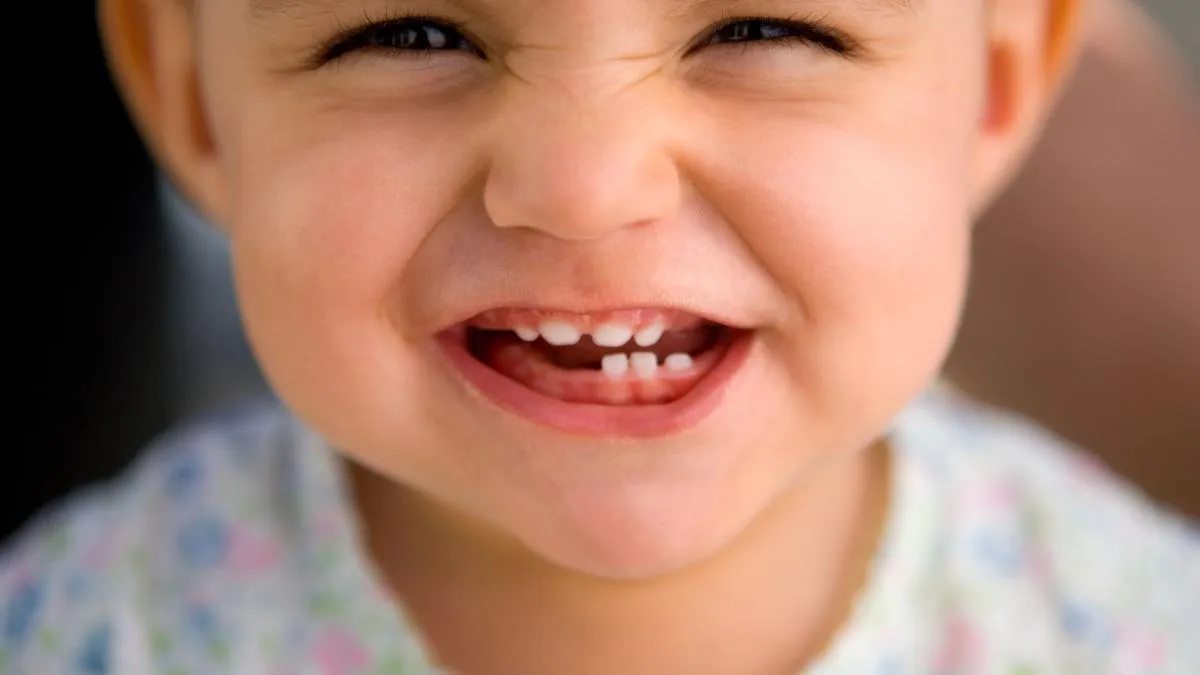
Even with the best intentions, children’s teeth are prone to certain problems. Understanding these common issues helps parents take preventive measures early.
Early Childhood Cavities (ECC)
Early Childhood Caries (ECC) commonly known as baby bottle tooth decay is one of the most prevalent dental issues in toddlers. It often occurs when children drink milk, formula, or juice from a bottle at bedtime. Sugars from these drinks remain on the teeth for extended periods, feeding bacteria that produce acids and wear away enamel.
Over time, this leads to visible brown or white spots, tooth sensitivity, and cavities. ECC can cause pain, infections, and early tooth loss. Parents can prevent it by avoiding sugary drinks before bedtime, encouraging water instead, and brushing their child’s teeth twice daily with a fluoride toothpaste.
Premature Tooth Loss
Sometimes, children lose baby teeth earlier than expected due to decay, trauma, or infection. This can disrupt the natural alignment of teeth and jaw growth. When the baby tooth is lost too soon, adjacent teeth often move into the empty space, preventing the permanent tooth from erupting correctly.
If premature loss occurs, a dentist might recommend using a space maintainer to preserve alignment until the permanent tooth emerges. This small step can prevent orthodontic problems that might otherwise require braces later on.
Gum Inflammation or Infection
Healthy gums are essential for supporting baby teeth and future permanent teeth. Poor brushing habits, plaque buildup, or bacteria can lead to swollen, red, or bleeding gums an early sign of gingivitis.Though gum disease is less common in children than in adults, it can still occur if oral hygiene is neglected. Parents should ensure their child brushes gently twice daily and begins flossing once teeth start touching. Healthy gums create a strong foundation for lifelong oral wellness.
When Do Baby Teeth Fall Out?
Every child’s tooth development follows a slightly different timeline, but baby teeth generally begin to fall out around age six. The lower front teeth (central incisors) usually fall out first, followed by the upper front teeth.By around age twelve, most children have lost all their baby teeth and have a nearly full set of permanent teeth. However, this process varies some children may start earlier or later, and that’s perfectly normal. If your child loses teeth too early or if new teeth seem delayed, it’s best to consult a dentist. Early assessment ensures there are no underlying issues affecting dental growth or jaw development.
How to Care for Baby Teeth
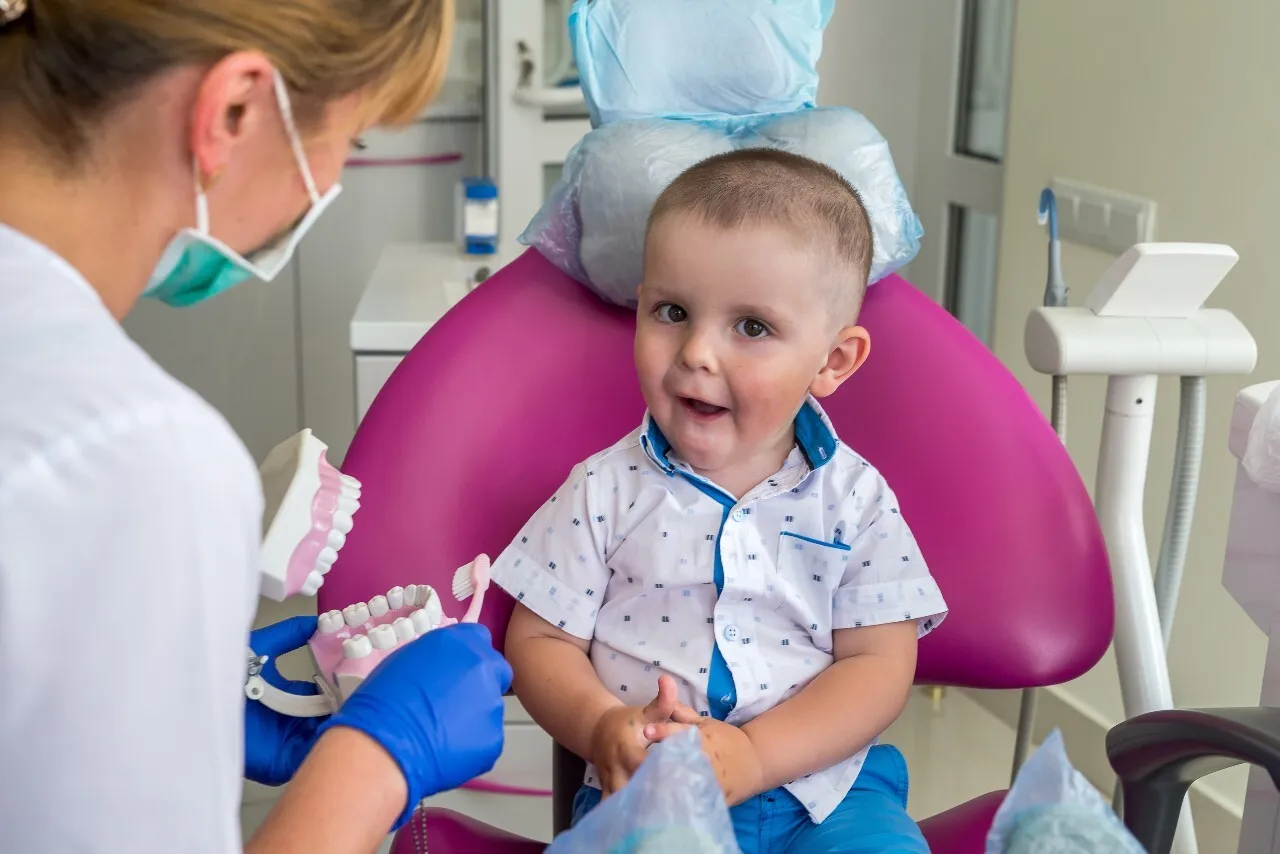
Taking care of baby teeth doesn’t have to be complicated, but it does require consistency. Establishing a good routine from infancy will set the stage for a lifetime of healthy oral habits.
Start Early with Oral Hygiene
Oral care begins even before the first tooth appears. Parents can gently wipe their baby’s gums with a soft, damp cloth after feeding. Once teeth erupt, use a small, soft-bristled toothbrush and a tiny smear of fluoride toothpaste (about the size of a grain of rice).
From the age of three, increase the toothpaste amount to a pea-sized dab. Encourage your child to spit out toothpaste after brushing but avoid rinsing with water this keeps a thin layer of fluoride on the teeth for added protection. Supervise brushing until around age seven or eight to ensure your child cleans every surface properly.
Maintain a Healthy Diet
Nutrition plays a huge role in oral health. A diet rich in fruits, vegetables, cheese, and whole grains helps strengthen teeth and gums. Water, especially fluoridated water, should be the main beverage for children.
Sugary foods, candies, and juices should be limited. These items can quickly lead to plaque buildup and tooth decay. If your child drinks juice, dilute it with water and serve it during meals rather than as a snack or bedtime drink.
Schedule Regular Dental Visits
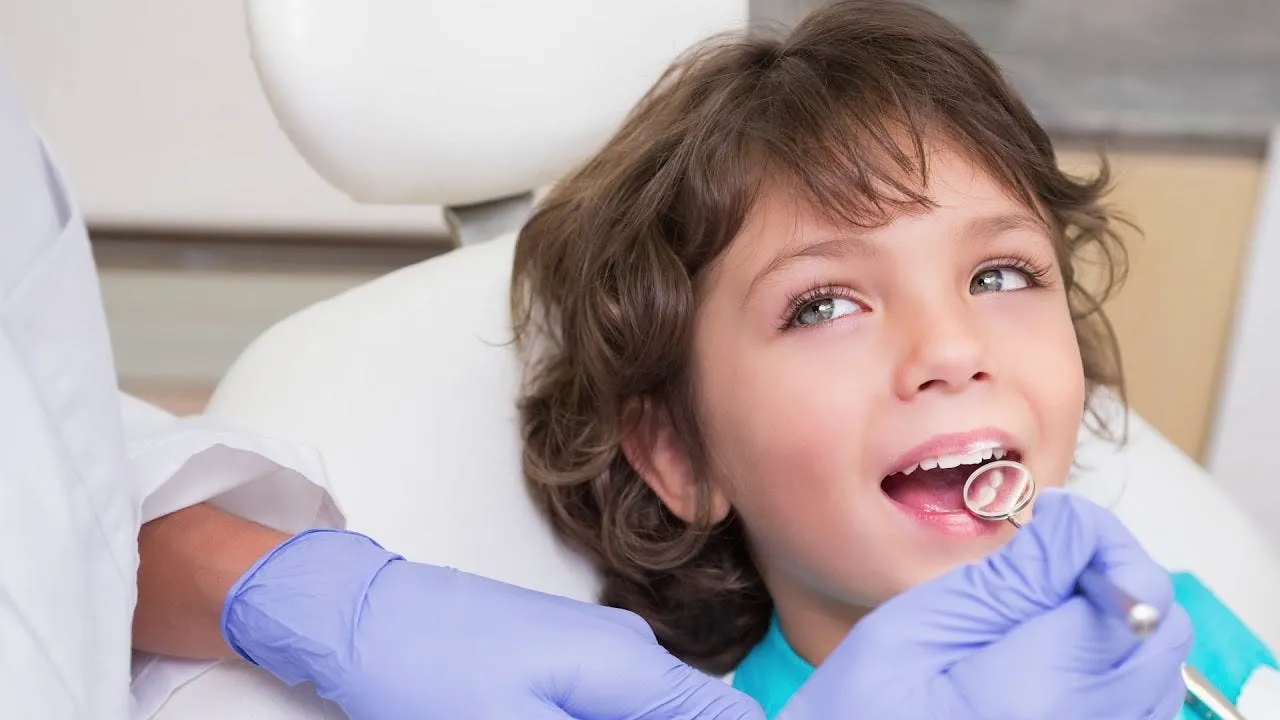
The firstdental visit should occur by your child’s first birthday or within six months of their first tooth erupting. Early dental visits allow the dentist to identify problems early and teach parents proper brushing techniques. Regular checkups typically every six months help monitor the growth and alignment of new teeth. Dentists can also provide fluoride treatments and sealants to protect the enamel from decay. These visits help children develop a positive relationship with dental care, making future appointments easier and stress-free.
The Long-Term Benefits of Healthy Baby Teeth
Caring for baby teeth does more than prevent cavities it builds the foundation for a lifetime of good oral health and confidence.
Healthy Permanent Teeth
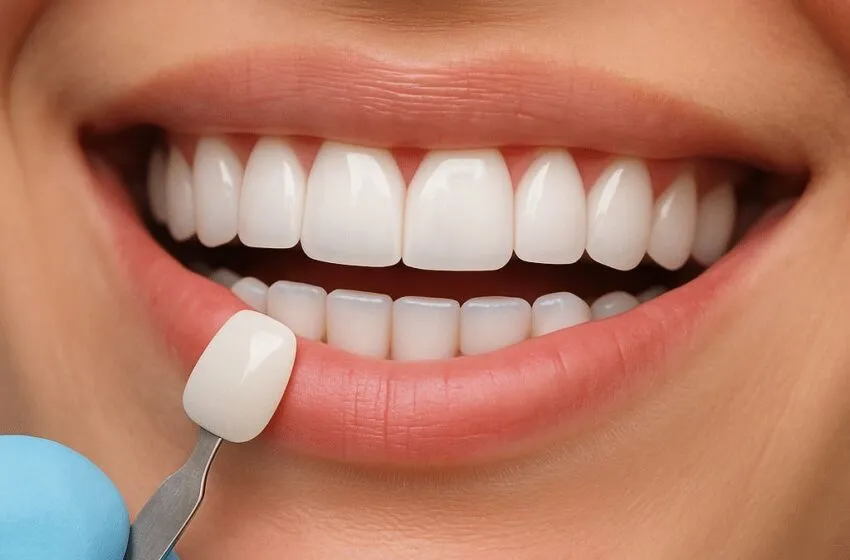
When baby teeth are properly maintained, they guide adult teeth into their correct positions. This helps prevent crooked teeth and bite problems, reducing the need for braces or other orthodontic treatments later. Healthy baby teeth also support the development of strong jawbones and healthy gums, ensuring that permanent teeth have the right environment to grow.
Confidence and Positive Habits
Children who have clean, healthy smiles feel more confident when interacting with others. Regular dental care also helps them build lifelong habits brushing, flossing, and attending dental checkups become second nature. Parents who encourage these habits early teach children that oral health is a vital part of self-care and overall well-being.
Conclusion
Baby teeth are not just temporary placeholders they are the foundation of your child’s lifelong oral health. They help children chew, speak, smile, and grow confidently. Neglecting them can lead to pain, infection, and long-term dental complications, but with proper care, these problems are entirely preventable.
Parents should begin oral hygiene routines early, encourage healthy eating habits, and schedule regular dental visits. Doing so ensures that when the permanent teeth finally arrive, they do so in a healthy, well-prepared mouth.