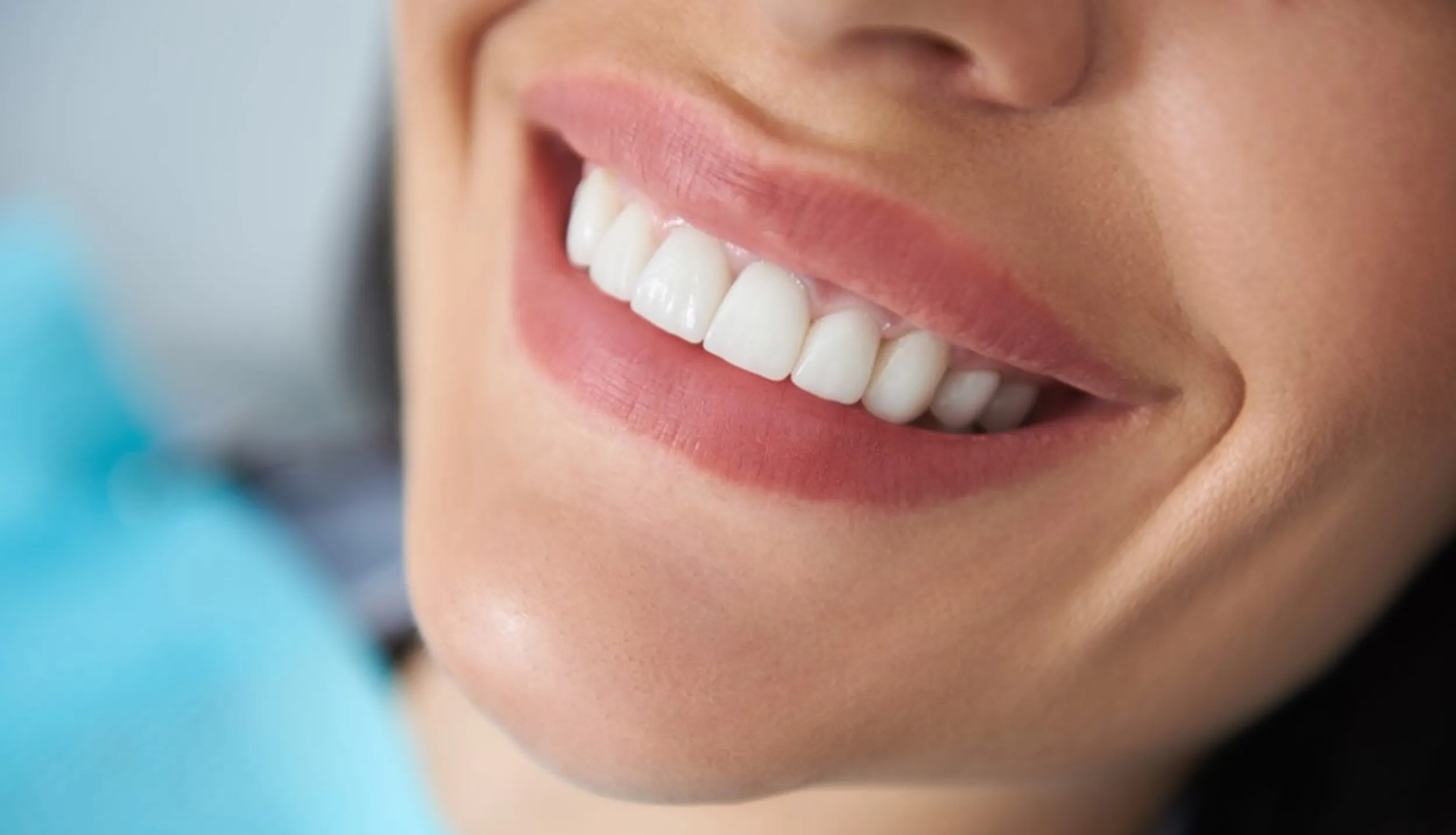
A bright, white smile is a goal for many people, and teeth whitening is one of the most popular ways to achieve it. Professional and at-home whitening treatments can effectively remove stains and lighten natural teeth, giving your smile a fresh, youthful appearance and boosting confidence in social and professional settings. However, achieving a consistently bright smile isn’t always straightforward. Not all teeth respond the same way to whitening. Dental restorations including crowns, veneers, or composite fillings often do not change color with traditional whitening methods. Attempting to whiten natural teeth without considering these restorations can result in uneven color and noticeable mismatches, which may require additional dental work to correct. It’s also important to understand that factors such as age, enamel thickness, and the type of stains (intrinsic vs. extrinsic) can influence whitening results. Professional guidance ensures that your expectations are realistic and that treatments are safe and effective, minimizing the risk of sensitivity or damage.
Dental restorations are designed to restore function, protect teeth, and improve appearance when natural teeth are damaged, worn, or discolored. Knowing how these restorations behave with whitening treatments is crucial for achieving a consistent, bright smile. Common types include:
Thin porcelain or ceramic shells bonded to the front of teeth to enhance shape, color, and overall aesthetics. Highly stain-resistant, making them durable and long-lasting. Do not respond to whitening treatments, so color matching with natural teeth is essential before whitening.
Caps that cover an entire tooth, restoring strength, function, and appearance after decay, damage, or root canal treatment. Made from porcelain, ceramic, or metal-ceramic combinations. Like veneers, crowns do not lighten with whitening, so surrounding natural teeth may need to be treated carefully to maintain uniformity.
Restorations are designed to be durable and stain-resistant, which is excellent for longevity but requires planning when teeth whitening. Even minor differences in shade between restorations and natural teeth can become noticeable after whitening. A dentist can evaluate your restorations, recommend appropriate whitening, and suggest replacement or adjustments if necessary. By understanding how veneers, crowns, and bonding behave, you can set realistic expectations and take steps to maintain a balanced, bright, and natural-looking smile.
Teeth whitening products are formulated to lighten natural enamel, but they generally do not affect artificial dental materials such as veneers, crowns, or bonding. Attempting to bleach these restorations can lead to several issues:
Uneven Color
Natural teeth may lighten while restorations remain the same shade, resulting in a mismatched smile.
Surface Damage or Bond Compromise
Harsh bleaching agents can weaken the material or the bond, potentially shortening the lifespan of restorations. Because of these risks, it’s crucial to consult a dentist before attempting any whitening treatment. A professional can evaluate your teeth and restorations and recommend a safe approach to achieving a bright, uniform smile.
How Each Restoration Responds to Whitening
Different dental restorations react differently to whitening treatments. Understanding these differences can help you achieve a consistent, bright smile:
Veneers
Porcelain veneers are highly stain-resistant but do not respond to bleaching. Whitening natural teeth around veneers may make the veneers appear darker by comparison, so planning is essential.
Crowns
Crowns made from porcelain or ceramic also do not whiten. Dentists can whiten the surrounding natural teeth to create a more uniform appearance.
Bonding
Composite bonding can stain over time but does not respond to traditional whitening. Dentists can polish or replace the bonding to match the shade of whitened natural teeth, ensuring a harmonious smile. By considering how each restoration behaves, your dentist can develop a tailored whitening plan that keeps your entire smile looking bright and balanced.
Options for Maintaining a Bright Smile with Restorations
Even if your teeth have restorations, there are effective ways to keep your smile bright and uniform:
Professional Cleaning and Polishing
Regular dental cleanings help remove surface stains from natural teeth and restorations, maintaining overall brightness.
Replacement or Re-Polishing of Restorations
Older bonding or veneers can be polished or replaced to match the color of your natural teeth, keeping your smile even and fresh-looking.
Dentist-Supervised Whitening for Natural Teeth
Whitening treatments can safely lighten natural teeth, while restorations remain unchanged. Professional guidance ensures a balanced, uniform appearance.
Avoid Stain-Causing Foods and Drinks
Limiting coffee, tea, red wine, and other dark-colored foods can prolong the brightness of both natural teeth and restorations. By combining professional care, maintenance, and smart habits, you can enjoy a bright, confident smile even with dental restorations.
Preventing Discoloration of Dental Restorations
Maintaining the color and appearance of dental restorations requires consistent oral hygiene and mindful habits. Here are effective strategies:
Brush and Floss Daily
Use non-abrasive toothpaste to clean natural teeth and restorations without scratching or dulling surfaces.
Rinse After Staining Foods or Beverages
Swishing water after consuming coffee, tea, red wine, or dark sauces helps minimize stain buildup.
Maintaining a Bright Smile with Dental Restorations
Keeping your smile bright when you have veneers, crowns, or bonding requires a combination of daily care, lifestyle habits, and professional guidance. In addition to regular brushing and flossing, the following strategies can help protect your teeth and restorations:
Schedule Regular Dental Check-Ups and Professional Cleanings
Routine visits allow your dentist to remove surface stains, plaque, and tartar, which helps maintain both natural teeth and restorations. Professional polishing can refresh the appearance of restorations and prevent discoloration from becoming noticeable. Dentists can also monitor for wear, cracks, or other issues that might affect the longevity of your restorations.
Use a Straw for Drinks
Beverages like coffee, tea, soda, or red wine can stain natural teeth and restorations.
Using a straw reduces direct contact with teeth, helping to minimize discoloration and extend the life of restorations.
Be Mindful of Staining Foods and Habits
Limit dark-colored sauces, berries, or candies that can leave surface stains.
Rinse with water or brush shortly after consuming staining foods to prevent buildup.
Avoid habits like smoking or chewing tobacco, which can significantly discolor teeth and restorations.
Protect Teeth During Activities
Wear a mouthguard during sports to prevent chips or cracks in natural teeth and restorations.
Avoid biting hard objects, ice, or pens, which can damage restorations and create areas that stain more easily.
Maintain Consistent Whitening for Natural Teeth
If you plan to whiten natural teeth, do so under professional supervision to avoid mismatched shades with existing restorations.
Dentists can recommend touch-up treatments or selective whitening that preserves uniformity.
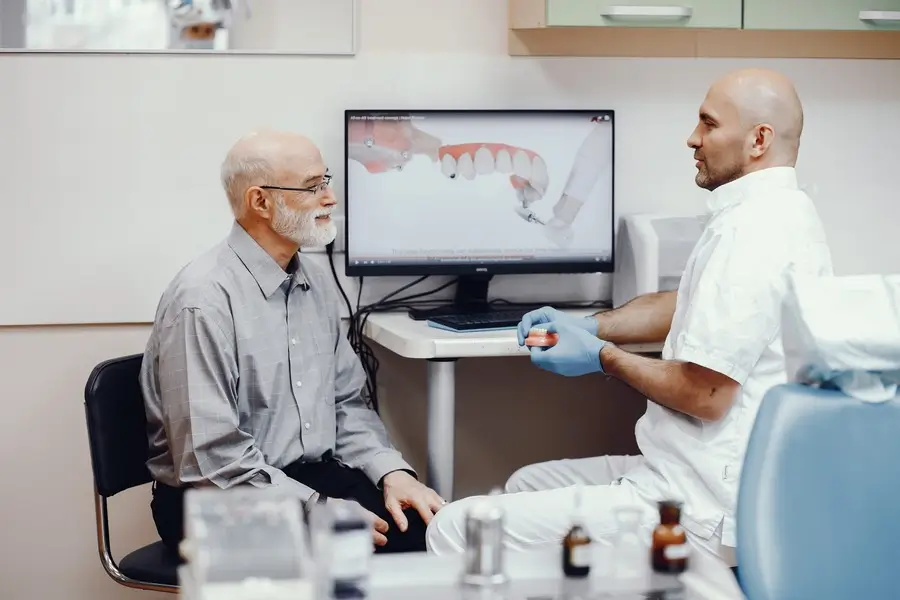
When to Consult a Dentist
Discolored Restorations or Color Mismatch: Professional assessment ensures appropriate polishing, repair, or replacement. Planning to Whiten Natural Teeth: Supervised whitening avoids uneven coloring and protects restorations. Replacing Old Restorations: Older veneers, crowns, or bonding may need updating to maintain aesthetics and functionality. By combining consistent at-home care, mindful habits, and professional oversight, you can protect your dental restorations, maintain a uniform bright smile, and enjoy long-lasting oral health and confidence.
Conclusion
While dental veneers, crowns, and bonding are durable and stain-resistant, they do not respond to traditional whitening treatments like natural teeth. Attempting to bleach restorations on your own can result in uneven color, surface damage, or compromised bonding, which may require costly repairs or replacements. In addition, adopting healthy habits such as rinsing after consuming stain-causing foods or drinks, using a straw for beverages, and attending regular check-ups can prolong the brightness of your teeth and restorations.
With a personalized plan and professional guidance, you can enjoy a radiant, confident smile that looks natural and lasts for years, all while protecting your dental investments. Want a brighter smile without risking your dental restorations? Book a consultation today we’ll help you safely whiten your teeth, maintain your restorations, and achieve a smile you’ll be proud to show off.