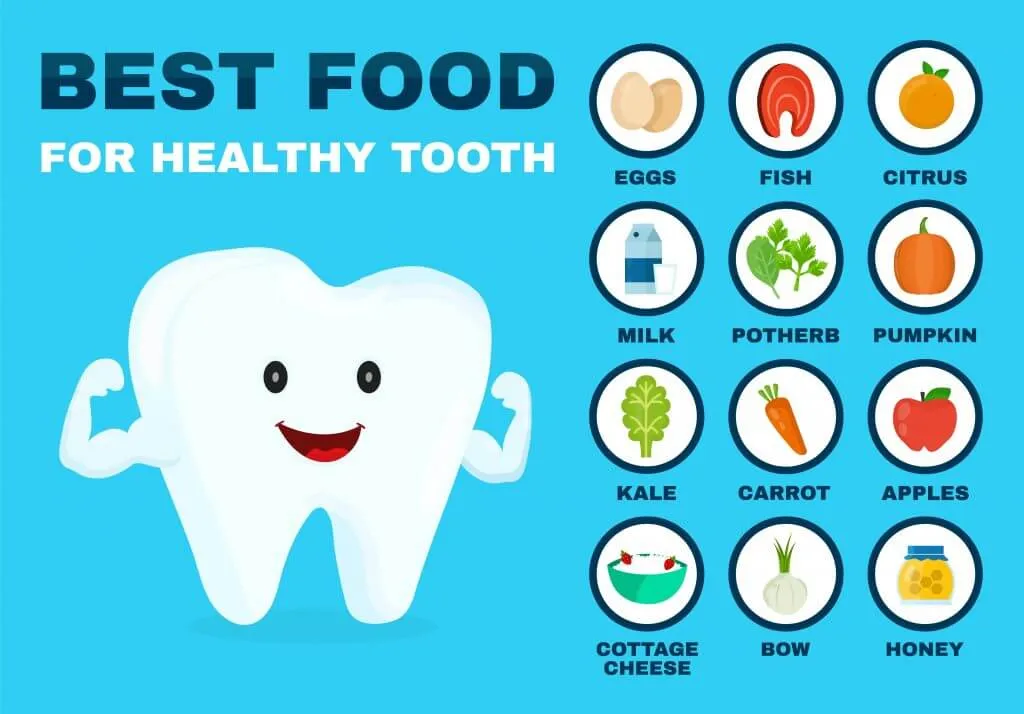
Good nutrition is the foundation of healthy teeth and gums. The vitamins and minerals you consume directly influence your enamel strength, gum health, and the bone that supports your teeth. Calcium, found in dairy products, leafy greens, and almonds, is essential for building and maintaining strong tooth enamel and jawbone. Phosphorus, present in fish, eggs, and nuts, works alongside calcium to repair and remineralize enamel the outer protective layer of your teeth. Vitamin D plays a crucial supporting role by helping your body absorb calcium and phosphorus effectively, ensuring that your teeth remain dense and resilient.
On the other hand, a poor diet high in sugar and processed foods can lead to plaque buildup, acid erosion, and weakened enamel. Over time, this increases the risk of tooth decay, gum inflammation, and even bone loss around the teeth. Eating the right balance of nutrients isn’t just good for your body it’s one of the best defenses against dental problems.

Dairy Products (Milk, Cheese, Yogurt)
Dairy products are among the best foods for maintaining strong, healthy teeth. They are rich in calcium and phosphorus, two key minerals that help rebuild and repair tooth enamel the hard, outer surface that protects against decay. Cheese and yogurt also contain casein, a type of protein that forms a protective film over your teeth, helping to neutralize acids produced by bacteria in your mouth. This not only reduces the risk of cavities but also helps maintain a balanced oral pH level. Whether it’s a glass of milk with breakfast, a slice of cheese after meals, or a serving of yogurt as a snack, incorporating dairy into your diet is an easy and delicious way to strengthen your teeth naturally.
Leafy Greens (Spinach, Kale, Broccoli)
Leafy greens are nutrient powerhouses that do wonders for your oral health. They’re high in calcium, which helps strengthen enamel, and folic acid, a B vitamin that supports healthy gums and reduces inflammation. Regularly eating spinach, kale, and broccoli can also boost overall oral tissue repair and resilience.
Crunchy Fruits and Vegetables (Apples, Carrots, Celery)
Crunchy fruits and vegetables act as natural toothbrushes. Their firm texture helps scrub away food particles and plaque from your teeth surfaces as you chew. Plus, they stimulate saliva production, which is your mouth’s natural defense against cavity-causing bacteria. The increased saliva flow helps wash away acids and maintain a healthy pH balance in your mouth.
Nuts and Seeds (Almonds, Sesame Seeds, Walnuts)
Nuts and seeds are packed with minerals like calcium, phosphorus, and magnesium, which help remineralize and strengthen tooth enamel. Their crunch also promotes chewing and saliva flow, helping to naturally clean your teeth. A handful of almonds or a sprinkle of sesame seeds can be a tooth-friendly snack that supports long-term dental health.
Fatty Fish (Salmon, Mackerel, Sardines)
Fatty fish are an excellent source of vitamin D, a nutrient essential for calcium absorption. Without adequate vitamin D, even a calcium-rich diet won’t fully benefit your teeth and bones. Including fish like salmon, mackerel, or sardines in your meals helps keep your enamel strong and your jawbone healthy.
Green Tea and Herbal Teas
Green tea and many herbal teas contain polyphenols, powerful antioxidants that help fight bacteria, reduce plaque buildup, and prevent gum disease. Drinking unsweetened tea also helps neutralize acids in the mouth and freshen your breath naturally.
Water
Water is one of the simplest yet most effective tools for maintaining oral health. It helps flush away food debris and acids, keeping your mouth clean between brushing sessions. Drinking enough water throughout the day also promotes healthy saliva flow, which protects enamel and prevents dry mouth a key factor in reducing decay and bad breath.
Foods and Drinks to Limit
While some foods strengthen your teeth, others can quietly damage them. Being mindful of what you eat and drink can go a long way in protecting your smile.
Sugary Snacks and Sodas
Foods and drinks high in sugar feed the bacteria in your mouth, producing acids that attack tooth enamel. Frequent snacking on sweets or sipping sugary sodas throughout the day increases your risk of cavities and enamel erosion. If you do indulge, try to rinse your mouth with water afterward and brush soon after.
Acidic Foods (Citrus, Vinegar, Carbonated Drinks)
Acidic foods and beverages can soften and wear down enamel, making your teeth more sensitive and prone to decay. While citrus fruits and vinegar have health benefits, consume them in moderation and rinse with water to reduce their acidic impact on your teeth.
Sticky Foods (Candies, Dried Fruits, Caramel)
Sticky or chewy foods cling to the tooth surface, giving bacteria more time to produce harmful acids. Even seemingly healthy snacks like dried fruits can promote decay if they stick between teeth. Choosing fresh fruits instead and maintaining regular brushing and flossing can help prevent damage. Limiting these foods or balancing them with tooth-friendly options helps keep your teeth strong, bright, and healthy for years to come.
Simple Tips to Support Stronger Teeth
Healthy eating works best when paired with consistent daily oral care. A few small habits can make a huge difference in protecting your enamel, preventing cavities, and keeping your smile bright. Here are dentist-approved tips to help you maintain strong, healthy teeth for life:
Brush and Floss Daily with Fluoride Toothpaste

Brushing your teeth at least twice a day is the foundation of good oral hygiene. Use a fluoride toothpaste to strengthen enamel and protect against decay. Take your time brush gently for two minutes, covering all surfaces of your teeth and along the gumline. Don’t forget your tongue, as it can harbor bacteria that cause bad breath.
Flossing once a day is equally important. It removes plaque and trapped food particles from between your teeth areas that your toothbrush can’t reach. Consistent brushing and flossing prevent tartar buildup, gum disease, and cavities before they start.
Drink Plenty of Water After Meals
Water is one of your best natural defenses for oral health. Drinking water after meals helps rinse away sugars, acids, and debris that can erode enamel. It also keeps your mouth hydrated and supports a healthy saliva flow which neutralizes harmful acids and helps rebuild enamel minerals naturally.
If your local water supply contains fluoride, that’s an added benefit fluoride strengthens enamel and offers ongoing protection against tooth decay. Make water your go-to beverage throughout the day, especially after eating or drinking anything acidic or sugary.
Visit Your Dentist Regularly
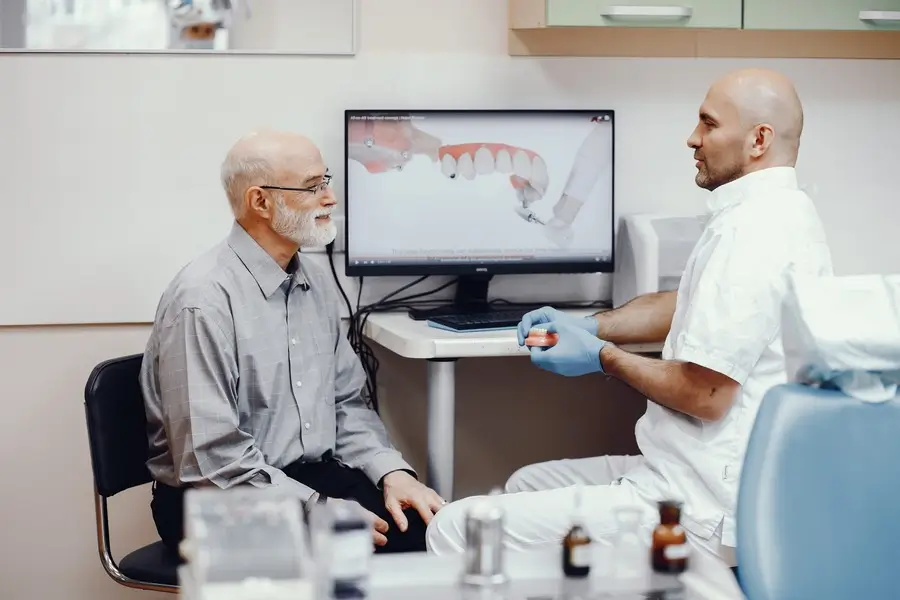
Even with perfect home care, regular dental check-ups are essential. Professional cleanings remove hardened plaque (tartar) that can’t be eliminated with brushing alone. During your visit, your dentist will check for early signs of decay, gum inflammation, or enamel erosion, allowing problems to be treated before they become serious. Scheduling a dental visit every six months or more frequently if recommended keeps your teeth strong, your gums healthy, and your smile confident.
Limit Sugary and Acidic Foods
While occasional treats are fine, frequent exposure to sugar and acid can weaken your enamel and promote cavities. Try to limit sodas, candies, and acidic fruits or juices. When you do consume them, rinse with water afterward and wait at least 30 minutes before brushing to avoid brushing softened enamel.
Eat a Balanced, Tooth-Friendly Diet
A diet rich in calcium, phosphorus, vitamin D, and antioxidants helps strengthen enamel and maintain healthy gums. Incorporate foods like milk, yogurt, cheese, leafy greens, nuts, and crunchy vegetables into your meals. These foods not only nourish your teeth but also stimulate saliva and naturally cleanse your mouth. By combining smart nutrition, consistent oral hygiene, and regular dental care, you can maintain stronger teeth, healthier gums, and a smile that lasts a lifetime. Small, daily efforts truly add up to long-term dental wellness.
Conclusion
A healthy, radiant smile truly begins with what you put on your plate. The foods you eat every day play a powerful role in shaping your oral health from the strength of your enamel to the vitality of your gums. A tooth-friendly diet rich in calcium, phosphorus, vitamin D, and antioxidants not only helps rebuild and protect enamel but also supports healthy gum tissue and jawbone strength. When you choose whole, nutrient-dense foods like dairy, leafy greens, nuts, and crunchy fruits and vegetables, you’re giving your teeth the building blocks they need to stay strong and resistant to decay. At the same time, reducing your intake of sugary snacks, acidic drinks, and sticky foods helps prevent the erosion and cavities that can compromise your smile over time.
Good nutrition works hand in hand with your daily oral care routine. Brushing twice a day, flossing, and visiting your dentist regularly are all essential steps that complement a balanced diet. Together, these habits help maintain not only your oral health but also your overall well-being since a healthy mouth contributes to a healthier body. Remember, you don’t need to make drastic changes overnight. Even small, consistent adjustments like drinking more water, swapping sugary treats for fruit, or enjoying more leafy greens can lead to noticeable improvements in your dental health.