You’ve probably heard that fluoride is good for your teeth but do you know why? Fluoride is a naturally occurring mineral found in water, soil, and certain foods, and it plays an essential role in keeping your teeth strong and healthy. From preventing cavities to repairing early signs of tooth decay, fluoride has become one of the most effective tools in modern dentistry for maintaining lifelong oral health.
This article explains what fluoride is, how it works, and why it’s important for both children and adults. You’ll also learn about its sources, safety, and how to make it a regular part of your oral care routine.
Fluoride is a natural mineral that strengthens tooth enamel the protective outer layer of your teeth. It helps make your teeth more resistant to decay caused by acids and bacteria in the mouth. Naturally, fluoride is found in groundwater and some foods, but it is also added to dental products such as toothpaste, mouthwash, and professional dental treatments to enhance its protective benefits.
Fluoride can be delivered in two main ways. Systemic fluoride is absorbed into the body through fluoridated water or supplements, helping to strengthen teeth during their development. Topical fluoride, on the other hand, is applied directly to the surface of the teeth through toothpaste, rinses, or dental treatments, and provides protection for already erupted teeth. Both forms of fluoride work together to reduce the risk of decay and strengthen enamel over time.

Every day, acids from bacteria and sugary foods attack tooth enamel in a process known as demineralization. Over time, this can weaken the enamel and lead to cavities. Fluoride plays a vital role in stopping this process and even reversing early damage.
Fluoride promotes remineralization by attracting minerals such as calcium and phosphate back into the enamel, repairing weakened areas before cavities form. It also reduces the ability of harmful bacteria to produce acids that erode the enamel. As a result, teeth become stronger and more resistant to decay, providing lasting protection for your smile.
Sources of Fluoride in Daily Life
Fluoridated Water
One of the most common and effective sources of fluoride is fluoridated water. Community water fluoridation has been proven to significantly reduce tooth decay across all age groups and is considered one of the top public health achievements of the 20th century.
Fluoride Toothpaste and Mouthwash
Fluoride toothpaste and mouthwash are simple yet powerful ways to protect your teeth. Brushing twice daily with fluoride toothpaste helps strengthen enamel and remove plaque. Using a fluoride mouthwash adds an extra layer of protection, especially for individuals who are more prone to cavities.
Professional Fluoride Treatments
At dental clinics, professional fluoride treatments are applied as gels, foams, or varnishes. These high-concentration treatments provide enhanced protection and are especially beneficial for children, seniors, and individuals with weak enamel or frequent decay.
Natural Dietary Sources
Certain foods and drinks also provide trace amounts of fluoride. Seafood, tea, and some mineral waters naturally contain fluoride, while some regions offer fluoridated salt as an additional source.
Who Benefits the Most from Fluoride?
Fluoride for Children
Fluoride is essential during the early years of tooth development. It helps form strong, healthy permanent teeth and protects against early childhood cavities. Used in moderation, fluoride is both safe and effective for children, provided brushing is supervised to avoid swallowing toothpaste.
Fluoride for Adults
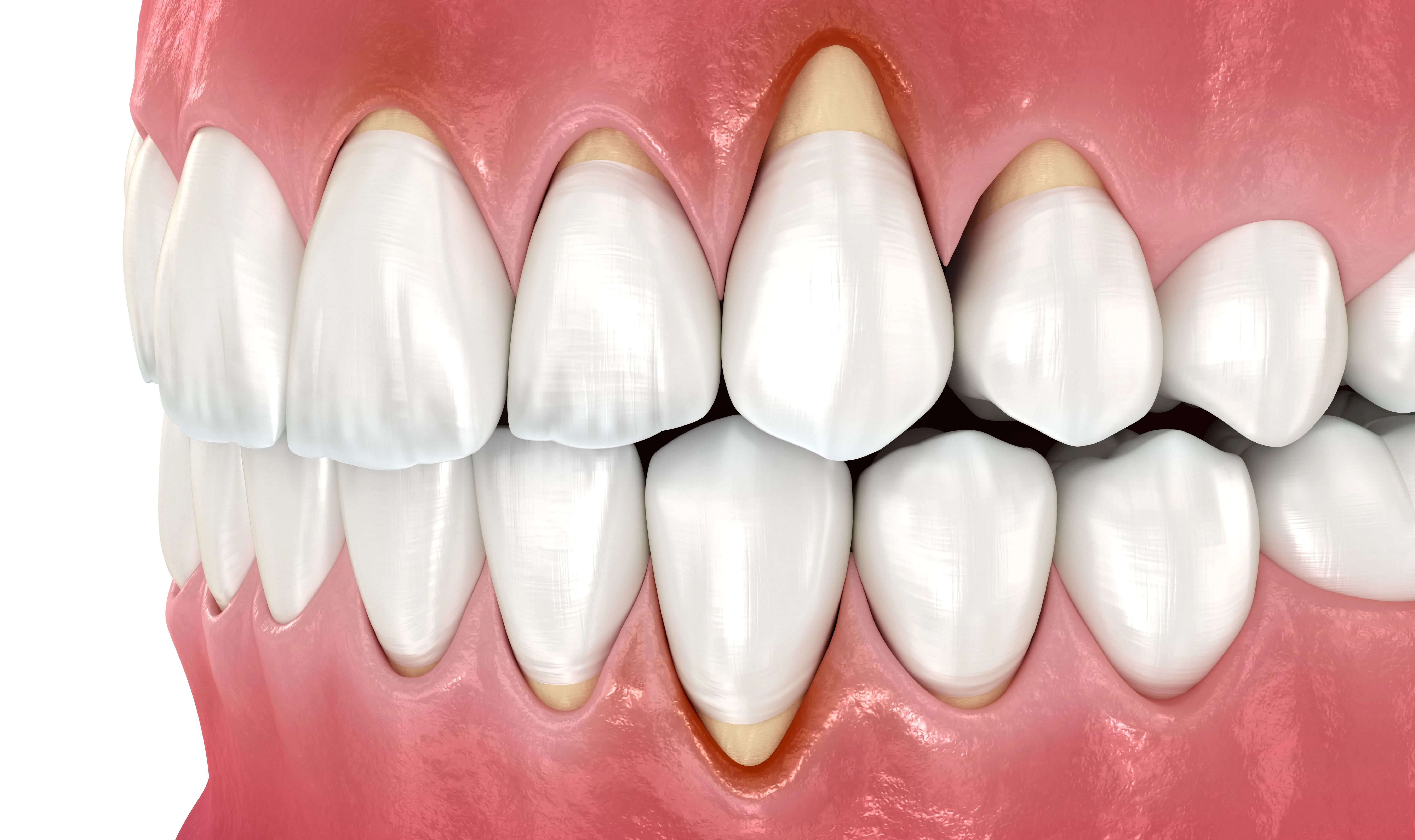
Even after teeth have fully developed, fluoride continues to protect enamel by remineralizing areas affected by acid erosion. Adults with gum recession, frequent snacking, or dry mouth can greatly benefit from consistent fluoride use to prevent decay.
Fluoride for Seniors
As people age, they face unique oral health challenges such as dry mouth caused by medications and receding gums that expose tooth roots. Fluoride helps protect these vulnerable areas, reducing the risk of root decay and keeping teeth strong well into later years.
Is Fluoride Safe? Understanding the Facts
Fluoride is one of the most studied and trusted elements in dental health. Leading organizations such as the World Health Organization, the American Dental Association, and the Centers for Disease Control and Prevention all confirm that fluoride use is both safe and effective when properly regulated.
Concerns about fluoride overexposure are often based on misunderstandings. At recommended levels, fluoride in water and dental products poses no health risks. Overexposure, known as dental fluorosis, can occur when children consume excessive fluoride during tooth formation, resulting in faint white lines or spots on the teeth. However, fluorosis is purely cosmetic and does not affect dental health. When used responsibly, fluoride provides powerful protection with minimal risk.
Signs You May Need More Fluoride Protection
If you notice frequent cavities, tooth sensitivity, or visible enamel wear, it could mean your teeth need extra fluoride support. People who suffer from dry mouth, use braces, or have a history of gum disease often require more fluoride to keep their enamel strong. A diet high in sugar or acidic foods can also accelerate enamel loss, making professional fluoride treatments even more important. Your dentist can evaluate your oral condition and recommend the right fluoride plan to suit your needs.
How to Incorporate Fluoride into Your Daily Routine
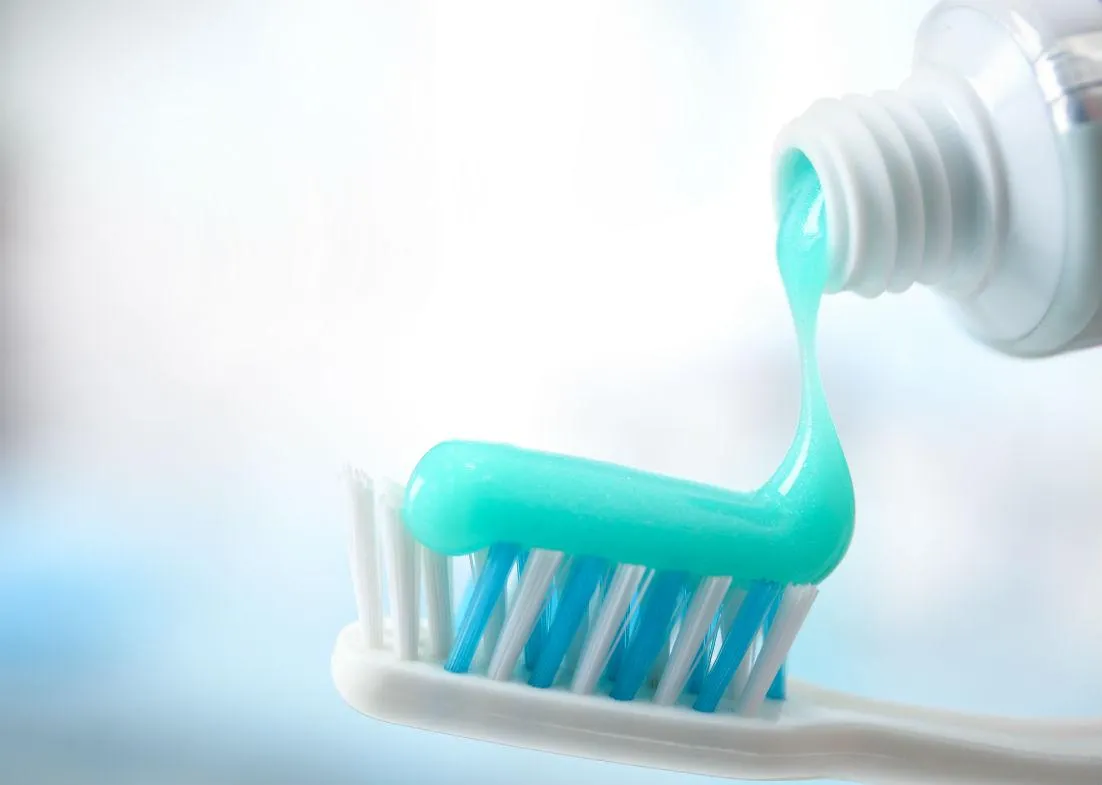
Maintaining a fluoride-rich oral care routine is simple but highly effective. Brushing your teeth twice a day with fluoride toothpaste remains the foundation of protection. Avoid rinsing immediately after brushing to allow the fluoride to stay on your teeth longer. If recommended by your dentist, using a fluoride mouthwash once a day can further reduce your risk of cavities.
Drinking fluoridated tap water whenever available ensures you receive consistent protection throughout the day. For those at higher risk of tooth decay, professional fluoride applications every six to twelve months can provide an added boost. Consistency is key combining these practices ensures that your teeth remain strong and decay-resistant for years to come.
The Dentist’s Role in Fluoride Care
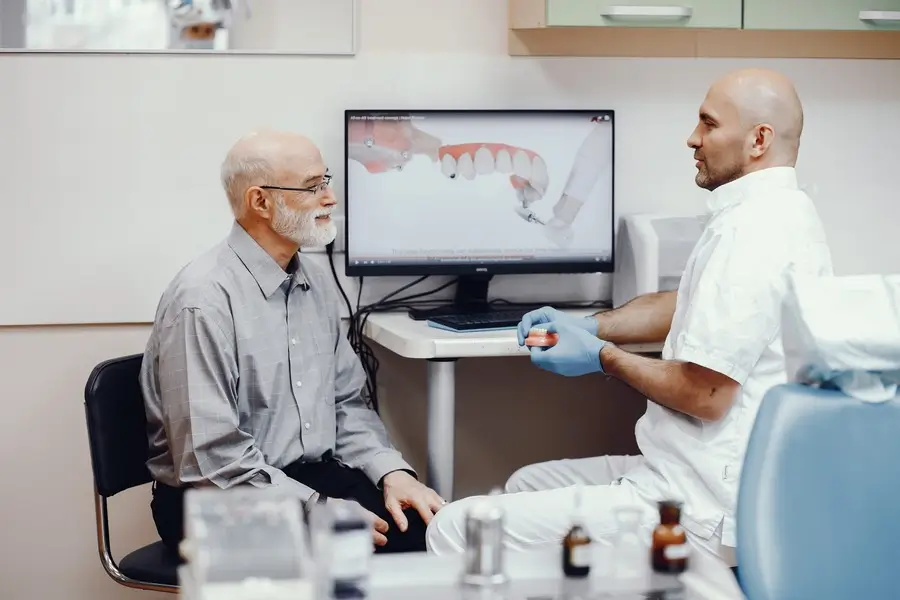
Dentists play a crucial role in helping patients make the most of fluoride. During regular dental checkups, they assess your risk of cavities, examine enamel strength, and provide personalized recommendations for fluoride use. They may suggest prescription-strength toothpaste or perform in-office fluoride treatments to strengthen weakened enamel. Regular visits not only help maintain fluoride balance but also prevent dental issues from progressing into more serious conditions.
Common Myths and Misconceptions About Fluoride
Despite decades of research proving fluoride’s effectiveness, myths about its safety and necessity persist. Some believe that fluoride is harmful, but scientific evidence overwhelmingly supports its benefits. Another common misconception is that children should avoid fluoride, when in fact, supervised use during early years helps prevent lifelong dental problems.
Natural or fluoride-free toothpaste may clean the teeth, but it lacks the decay-fighting power that fluoride provides. For effective cavity prevention, fluoride remains an essential part of oral care. Understanding the facts helps individuals make informed decisions about their dental health and avoid falling for misinformation.
Long-Term Benefits of Fluoride for Oral Health
Regular fluoride use offers more than just cavity prevention it contributes to long-term oral resilience. Teeth protected by fluoride are less likely to suffer from sensitivity, enamel erosion, or decay-related pain. Consistent exposure to fluoride strengthens the enamel’s structure and reduces the need for extensive restorative treatments later in life. By maintaining proper fluoride levels, you’re not just protecting your teeth you’re preserving your overall dental wellness and quality of life.
Conclusion: The Simple Secret to Stronger Teeth
Fluoride is one of the simplest yet most effective tools for maintaining a healthy smile. It strengthens enamel, reverses early signs of decay, and provides lifelong protection against cavities. By brushing with fluoride toothpaste, drinking fluoridated water, and scheduling regular dental checkups, you can keep your teeth strong, bright, and resilient for years to come.
But the power of fluoride goes beyond just protecting your teeth it’s about preserving your overall oral health and ensuring that your smile lasts a lifetime. Whether you’re a parent helping your child develop healthy brushing habits, an adult looking to prevent enamel wear, or a senior managing sensitivity and dry mouth, fluoride plays a crucial role at every stage of life.
Fluoride isn’t just a childhood benefit it’s something your teeth continue to need as you age. Everyday habits such as eating, drinking, and even brushing can expose your enamel to acids and wear. Fluoride helps repair this microscopic damage, restoring the minerals that protect the tooth surface. This process, known as remineralization, is vital for preventing the tiny weak spots that can eventually turn into cavities.