


February 27, 2026
Dental Bonding vs Veneers | Pros, Cons, Costs ExplainedCompare dental bonding and veneers to understand their benefits, drawbacks, costs, and which cosmetic dental option is right for your smile.


February 27, 2026
Invisalign has become a popular alternative to traditional braces due to its clear, removable aligners and discreet appearance. While it offers convenience, Invisalign requires diligent oral care to prevent dental issues during treatment. Poor hygiene can lead to cavities, gum inflammation, and enamel demineralization. This article explores the essential practices to maintain oral health, covering brushing, flossing, dietary habits, aligner care, and professional checkups. By understanding these factors, patients can achieve optimal results and enjoy a confident, healthy smile. Proper care during treatment ensures both aesthetics and long-term dental health.
Invisalign aligners are custom-made, transparent trays designed to gradually shift teeth into the correct position. Unlike traditional braces, they are removable, which allows easier cleaning but requires responsibility. Wearing aligners for the recommended 20–22 hours per day is crucial for effective treatment. The snug fit can trap food particles, saliva, and bacteria against the teeth, increasing the risk of cavities and gum problems. Neglecting oral hygiene during Invisalign treatment can cause enamel damage, white spots, or bad breath. Understanding these risks motivates patients to adopt proper care routines for a successful treatment journey.
Maintaining oral hygiene is the foundation of a successful Invisalign experience. Since aligners can trap debris and bacteria, brushing and flossing become more critical than ever. Daily cleaning routines prevent plaque buildup, tooth decay, and gum disease. Invisalign users need to adopt a structured hygiene regimen that fits into their lifestyle. Consistency is key, and small daily habits have a significant long-term impact. Proper oral hygiene ensures both the effectiveness of aligners and the overall health of teeth and gums.

Brushing teeth is the most critical step in preventing dental problems during Invisalign treatment. Dentists recommend brushing after every meal to remove trapped food particles. Using a soft-bristled toothbrush prevents damage to enamel and aligners. Fluoride toothpaste strengthens teeth and protects against decay. Proper technique involves brushing for two minutes, focusing on all tooth surfaces. By following these practices, patients can reduce plaque, prevent cavities, and maintain a bright smile throughout treatment.
Flossing is essential because aligners cannot reach the tight spaces between teeth. Using traditional floss or a water flosser helps remove plaque from areas prone to decay. Daily flossing prevents gum inflammation, bleeding, and bad breath. Proper technique includes gently sliding floss beneath the gumline and curving it around each tooth. Interdental brushes can also help clean hard-to-reach areas. Consistent flossing supports oral health and ensures teeth move safely and effectively during treatment.
Aligners themselves can harbor bacteria, leading to odor, staining, or infection if not cleaned. Rinsing aligners with lukewarm water after removal prevents food residue buildup. Brushing them gently with a soft toothbrush (without toothpaste) keeps them clear and smooth. Invisalign cleaning crystals or mild solutions are recommended for deep cleaning once daily. Avoid hot water, as it can warp the plastic. Clean aligners ensure effective tooth movement and prevent oral health complications.
Diet plays a significant role in oral health while wearing Invisalign. Certain foods can stain teeth, cause decay, or damage aligners. Patients must avoid sugary, sticky, and hard foods during treatment. Drinking beverages like coffee, tea, or soda while wearing aligners can lead to discoloration and enamel erosion. Maintaining a balanced diet rich in vitamins and minerals supports strong teeth and healthy gums. Mindful eating habits help Invisalign treatment progress smoothly while protecting oral health.
Sugary, sticky, and acidic foods can increase the risk of cavities and enamel damage. Hard foods may chip teeth or damage aligners if not removed. Drinks like coffee, tea, and soda can stain both teeth and aligners. Chewing gum or caramel can stick to teeth, creating bacteria-prone environments. Limiting these foods reduces plaque buildup and ensures aligners function effectively. Avoiding problematic foods helps patients maintain oral hygiene and achieve better treatment results.
Patients should always remove aligners before eating or drinking anything other than water. Brushing or rinsing teeth before reinserting aligners prevents bacterial buildup. Drinking plenty of water keeps the mouth hydrated and reduces plaque formation. Eating a diet rich in calcium, phosphorus, and vitamin D strengthens teeth and supports enamel. Planning meals around oral hygiene routines enhances treatment effectiveness. Following these practices ensures Invisalign therapy is both safe and efficient.
Mild discomfort is common during Invisalign treatment due to the pressure applied to move teeth. New aligners may cause soreness in the first few days, affecting eating and speaking. Using over-the-counter pain relievers and soft foods can alleviate discomfort. Rinsing with warm saltwater or using orthodontic wax can reduce irritation. Addressing these issues promptly prevents additional complications. Effective management of discomfort helps patients adapt comfortably to their aligners.
Initial soreness occurs because teeth are shifting and the gums are adjusting to pressure. Pain is typically mild and short-term, usually lasting a few days. Over-the-counter pain relievers or soft diets help reduce discomfort. Gentle brushing can soothe sensitive areas without causing additional irritation. Aligners should fit snugly but not painfully; adjustments may be necessary. Managing early soreness ensures a smoother, more comfortable treatment process.
Aligners can rub against gums, cheeks, or lips, causing irritation or small sores. Rinsing with warm saltwater can relieve inflammation and promote healing. Orthodontic wax may be applied to sharp edges to prevent friction. Keeping aligners and teeth clean reduces bacterial infection risks at sore sites. Maintaining proper hygiene and fit minimizes discomfort and protects oral tissues. Preventing irritation helps patients maintain consistent aligner use.
Even with excellent at-home care, professional dental visits are crucial. Dentists monitor tooth movement, aligner fit, and oral health. Checkups detect early signs of cavities, gum inflammation, or enamel issues. Routine cleanings every six months remove plaque and tartar that aligners cannot. Orthodontists also adjust aligners as needed for optimal results. Regular professional oversight ensures Invisalign treatment progresses effectively and safely.
Typically, Invisalign patients visit their orthodontist every 4–6 weeks. Routine dental cleanings remain important every six months. Additional visits may be necessary if issues arise, such as cavities, irritation, or broken aligners. Consistent monitoring helps maintain oral health throughout treatment. Aligners can be adjusted based on progress and feedback. Following a structured visit schedule ensures predictable and successful results.
Professional checkups help detect problems early before they escalate. Aligners can be modified for proper fit and effective tooth movement. Dental professionals provide guidance on hygiene practices, diet, and aligner care. Routine visits help prevent long-term damage to teeth or gums. Monitoring ensures treatment stays on track and is completed within the projected timeframe. Patients benefit from expert support alongside daily oral care routines.
White spots and stains may develop if plaque accumulates on teeth during Invisalign treatment. Decalcification occurs when enamel minerals are lost, creating visible spots. Proper brushing, flossing, and aligner cleaning prevent plaque buildup. Fluoride toothpaste strengthens enamel and reduces the risk of white spots. Limiting sugary and acidic foods further protects teeth. Early prevention ensures a bright, uniform smile post-treatment.
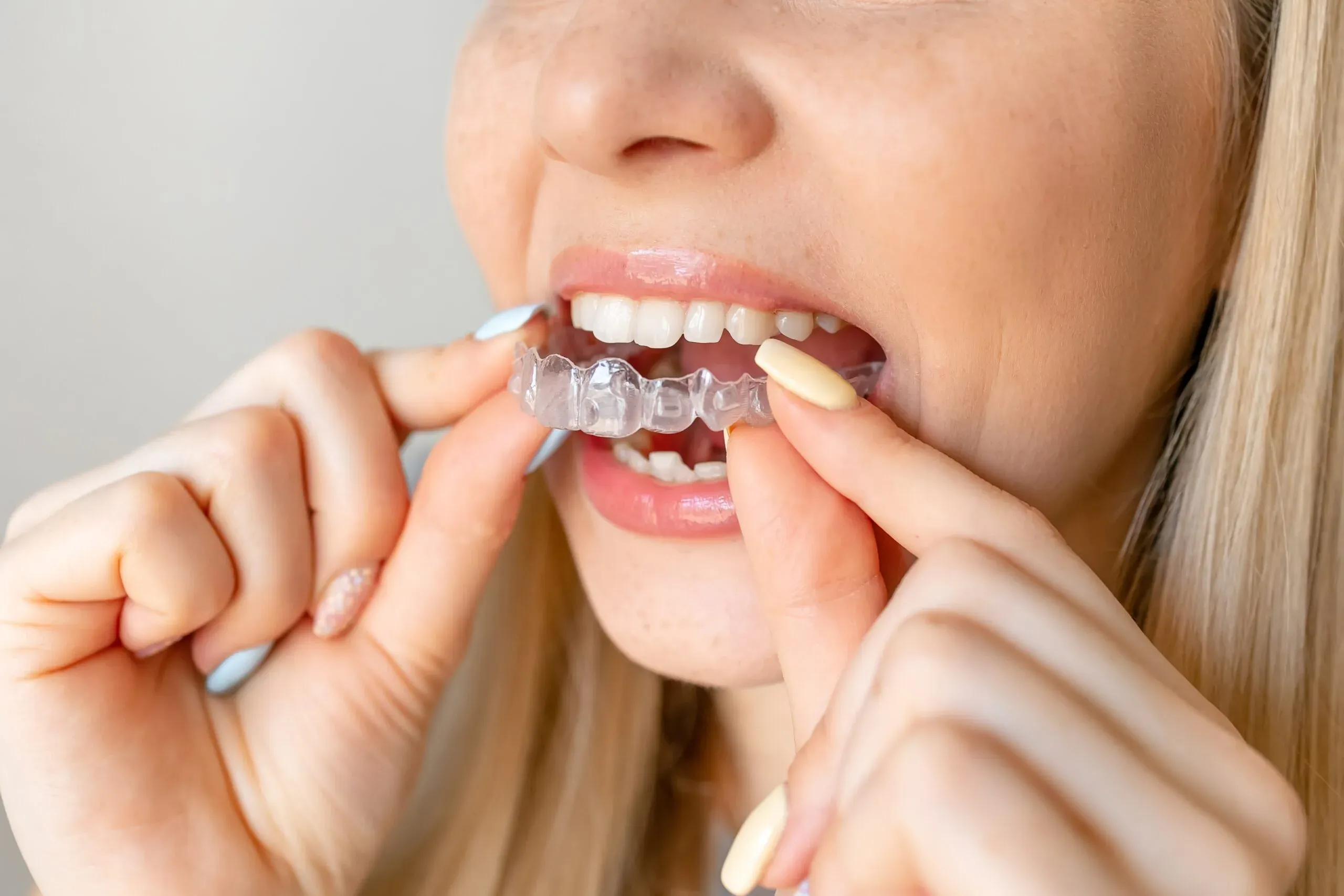
White spots are caused by prolonged plaque accumulation, which demineralizes enamel. Trapped food under aligners increases the likelihood of decalcification. Poor oral hygiene exacerbates the problem, especially with frequent sugary meals. These spots can appear as early as a few weeks into treatment if teeth are not cleaned properly. Fluoride application can strengthen enamel and reduce their formation. Preventing white spots maintains both aesthetics and oral health during Invisalign therapy.
Brushing and flossing consistently after meals is critical. Aligners should be cleaned daily to avoid bacterial buildup. Rinsing with water after snacks removes leftover debris. Fluoride treatments or mouth rinses can protect enamel further. Avoiding sugary and acidic foods supports enamel strength. Preventive care ensures teeth remain healthy and your smile stays bright.
Successful Invisalign treatment requires wearing aligners 20–22 hours per day. Consistency is key; missed hours slow treatment progress. Reminders or alarms can help maintain schedule adherence. Aligners should only be removed for meals, oral care, or specific medical reasons. A proper storage case prevents loss or damage when aligners are out. Maintaining consistent wear ensures treatment timelines are met efficiently.
Tracking wear hours ensures teeth move as planned. Digital apps or phone alarms can remind patients to insert aligners. Patients should log their usage to identify gaps. Wearing aligners consistently avoids delays or misalignment. Aligners must be removed for meals and cleaned before reinserting. Careful tracking enhances treatment efficiency and ensures optimal results.
Lost or damaged aligners must be reported to the orthodontist immediately. Using a previous or next set without guidance may cause improper movement. Spare aligners in a travel case are essential for emergencies. Replacements should be obtained promptly to maintain treatment schedule. Avoid skipping aligner sets as it may prolong therapy. Proper management prevents delays and protects treatment outcomes.
Bacteria trapped in aligners can cause bad breath. Brushing and flossing after meals prevents odor. Cleaning aligners daily removes bacteria and food particles. Drinking water frequently rinses the mouth and keeps breath fresh. Mouthwash and tongue cleaning provide additional freshness. Maintaining hygiene ensures comfort and confidence during treatment.
Some patients experience tooth sensitivity during Invisalign treatment. Pressure from aligners or enamel exposure can cause discomfort. Using sensitive toothpaste alleviates pain. Avoiding extremely hot or cold foods reduces triggers. Persistent sensitivity should be discussed with the orthodontist. Addressing sensitivity ensures comfort and prevents long-term enamel damage.
Soft-bristled toothbrushes prevent enamel and aligner damage. Floss or water flossers remove plaque from hard-to-reach areas. Fluoride toothpaste strengthens teeth against decay. Invisalign cleaning crystals or mild soap maintain aligner hygiene. Mouthwash reduces bacteria and freshens breath. Choosing appropriate products enhances oral care effectiveness and comfort.
Traveling requires preparation to maintain oral hygiene. Carry a toothbrush, toothpaste, and floss for convenience. A travel case ensures aligners are stored safely. Mouthwash can help rinse away bacteria when brushing isn’t possible. Planning meals allows time for brushing before reinserting aligners. Being prepared prevents interruptions in treatment and protects oral health.
Aligners can stain from beverages or poor cleaning. Rinse after meals to prevent discoloration. Clean daily using recommended solutions. Avoid colored drinks while aligners are in place. Proper care keeps aligners clear and teeth healthy.
Wearing aligners may reduce saliva flow, causing dry mouth. Drinking water frequently alleviates dryness. Chewing sugar-free gum (with aligners out) stimulates saliva. Saliva substitutes or humidifiers may help. Hydration prevents discomfort and reduces bacterial growth.
Plaque can accumulate under aligners, increasing decay risk. Brushing after meals and flossing reduces buildup. Fluoride rinse strengthens enamel against cavities. Routine dental cleanings remove stubborn plaque. Proactive care ensures teeth remain healthy throughout treatment.
After treatment, retainers prevent teeth from shifting. Brushing and flossing remain crucial for long-term oral health. Regular dental checkups ensure continued hygiene and prevent relapse. Whitening treatments can enhance aesthetics once teeth are healthy. Maintaining routines preserves both oral health and the smile achieved with Invisalign.
Caring for teeth during Invisalign treatment requires consistent hygiene, proper diet, and professional monitoring. Brushing, flossing, and aligner care prevent cavities and gum disease. Awareness of diet, sensitivity, and common issues ensures comfort and optimal results. Regular dental visits maintain oral health and treatment progress. By following these practices, patients can achieve a healthy, straight, and beautiful smile that lasts. Diligent care today guarantees long-term benefits for both aesthetics and dental well-being.
February 27, 2026
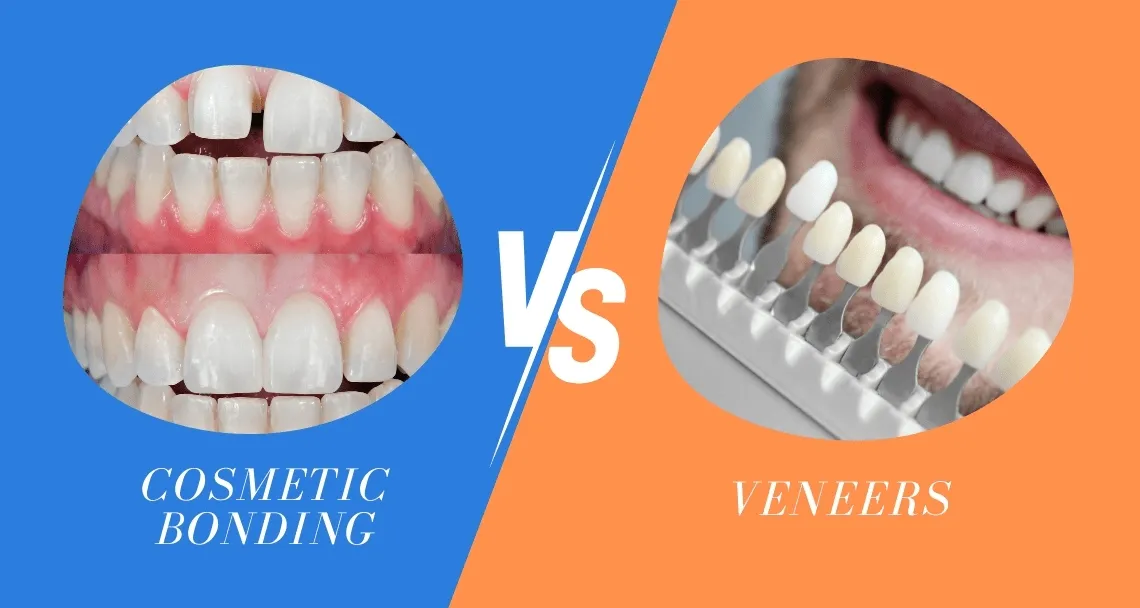
Dental Bonding vs Veneers | Pros, Cons, Costs ExplainedCompare dental bonding and veneers to understand their benefits, drawbacks, costs, and which cosmetic dental option is right for your smile.
February 27, 2026
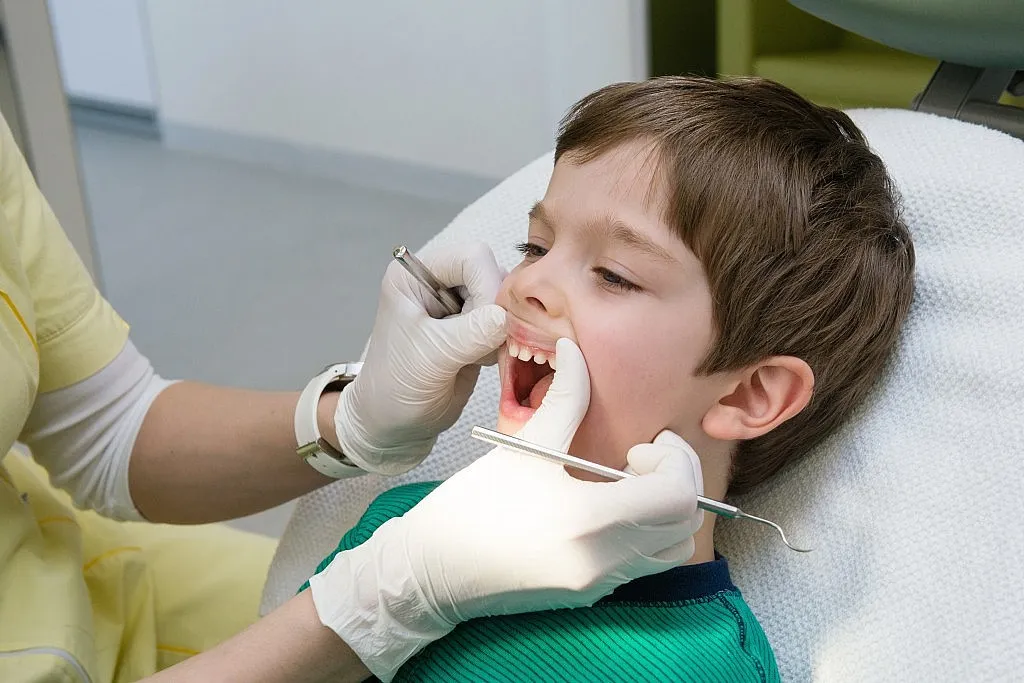
Managing Tooth Pain in Children | Home Relief & When to Call a DentistLearn safe home remedies to ease tooth pain in children and know the warning signs that mean it’s time to call a dentist for urgent care.
February 08, 2025

January 28, 2025

January 10, 2025

January 05, 2025

January 01, 2025
