


March 02, 2026
Caring for Your Teeth During Invisalign Treatment | Oral Care TipsLearn how to properly care for your teeth and aligners during Invisalign treatment to maintain oral hygiene and achieve the best results.

March 02, 2026
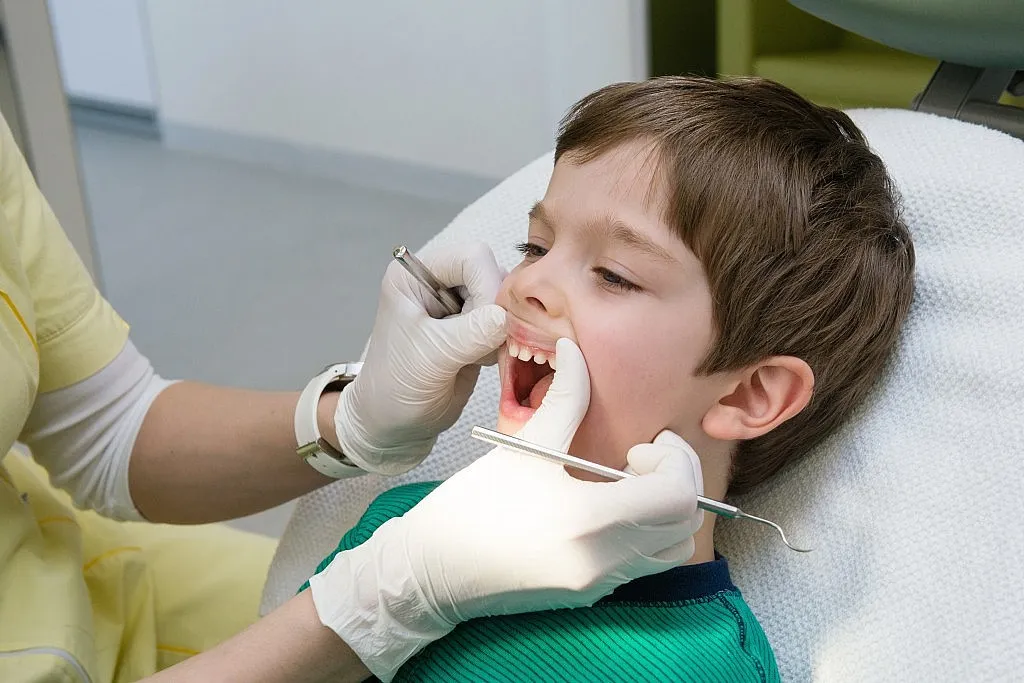
Tooth pain in children is a common problem that can affect eating, sleeping, and daily activities. Since children often cannot clearly describe the type or intensity of pain, parents must carefully observe symptoms. Toothaches may arise from cavities, gum infections, trauma, or even referred pain from the ears or sinuses. Proper home care can provide temporary relief, but recognizing signs that require a dentist’s attention is crucial. Timely intervention prevents complications like infection, abscesses, or permanent damage. This article provides practical guidance for managing tooth pain, including home remedies, preventive measures, and when professional care is necessary.
Dental cavities are the most frequent cause of tooth pain in children. Bacteria in the mouth feed on sugars and produce acids that erode the enamel. Early cavities may cause mild sensitivity, while advanced decay can lead to intense pain or infection. Cavities often appear as dark spots or pits on teeth, making them noticeable during brushing. Children with poor oral hygiene or high sugar intake are particularly at risk. Regular dental checkups and fluoride treatments can prevent cavities and reduce the risk of toothaches.
Gum infections can cause swelling, tenderness, and redness around the teeth. Gingivitis is an early-stage gum infection, while periodontitis is more severe and can affect the bone supporting teeth. Children with poor brushing and flossing habits are more likely to develop these infections. Pain from gum disease may increase when chewing or brushing, and gums may bleed easily. Persistent infections can lead to abscesses if untreated. Good oral hygiene and professional dental care are essential for prevention and management.
Children are active and prone to accidents, which can result in chipped, cracked, or knocked-out teeth. Even minor injuries can cause sensitivity or dull pain that worsens when eating or touching the area. Trauma may not always be visible externally but can damage internal tooth structures or the root. Immediate dental evaluation is necessary to prevent long-term problems like infection or tooth loss. Using protective gear, such as mouthguards during sports, helps reduce the risk of dental injuries. Prompt care ensures proper healing and minimizes pain.
Teething is a natural developmental process in infants and toddlers that can cause pain and discomfort in the gums. Symptoms may include swollen, tender gums, irritability, drooling, and difficulty sleeping. Teething pain is usually temporary and can be managed with gentle massage, teething rings, or cool compresses. Over-the-counter pain relief may be used in moderation under pediatric guidance. Severe or unusual symptoms, such as fever or vomiting, should be checked by a doctor. Understanding teething helps parents provide comfort and reassurance to their child.
Sometimes, tooth pain is not caused by dental issues but by referred pain from the ears or sinuses. Upper teeth share nerve pathways with the sinuses, so sinus infections can mimic toothaches. Ear infections can also radiate pain to nearby teeth, especially in younger children. Identifying the source of the pain is essential to provide proper treatment. Misdiagnosis may lead to unnecessary dental procedures. Consulting a pediatrician or dentist can ensure accurate evaluation and relief.
A saltwater rinse is a safe and effective way to soothe mild tooth pain and reduce bacteria. Mixing half a teaspoon of salt in warm water creates a solution for gentle rinsing. Children should swish the solution for 30 seconds and spit it out without swallowing. Saltwater helps reduce inflammation and can prevent infection from developing. It is particularly useful for children with gum irritation or early cavities. Using this rinse 2–3 times daily provides temporary comfort until professional care is obtained.
Applying a cold compress to the outside of the cheek helps reduce pain and swelling caused by dental injury or inflammation. Ice wrapped in a clean cloth should be applied for 10–15 minutes at a time. Cold therapy constricts blood vessels, numbing the affected area and reducing discomfort. This method is especially effective for trauma-related toothaches or swelling from gum infections. Parents should ensure the compress is never applied directly to the skin. Repeating several times a day can provide significant relief.
Pain relievers like acetaminophen or ibuprofen can be given to children to manage moderate to severe tooth pain. Dosage should always follow pediatric guidelines based on age and weight. These medications reduce inflammation, relieve discomfort, and improve the child’s ability to eat and sleep. Aspirin should never be given to children due to the risk of Reye’s syndrome. While helpful for temporary relief, medication does not treat the underlying cause of the toothache. Dental evaluation is still necessary if pain persists.
Clove oil contains eugenol, a natural compound that acts as an analgesic and antibacterial agent. Applying a small amount to a cotton ball and placing it on the affected tooth can provide temporary relief. It is important to dilute clove oil before use to prevent irritation. This remedy is effective for mild toothaches or gum discomfort. However, it should not replace professional dental treatment for cavities or infection. Parents should supervise usage and avoid ingestion.
Gentle brushing and flossing are crucial even when a child experiences tooth pain. Using a soft-bristled toothbrush and child-friendly toothpaste helps remove food particles and bacteria. Consistent oral hygiene reduces the risk of worsening infection or cavity progression. Parents should encourage children to brush twice daily and floss once a day. Proper care can prevent recurrent toothaches and maintain long-term dental health. Painful areas should be cleaned delicately to avoid aggravating the discomfort.
Soft, bland foods are easier for children to eat when they have tooth pain. Avoiding extremely hot, cold, or sugary foods helps prevent further irritation. Foods like yogurt, mashed vegetables, and smoothies provide nutrition without causing pain. Encouraging water intake also helps wash away bacteria and reduce discomfort. Avoid carbonated drinks or acidic juices during this period. Thoughtful dietary choices support healing and reduce the likelihood of worsening pain.
Mild herbal remedies like chamomile or peppermint tea can provide additional relief. Chamomile has anti-inflammatory properties, while peppermint offers a cooling effect on sore gums. Warm tea can also be used as a gentle rinse or soothing drink. These remedies are generally safe but should complement, not replace, professional dental care. Parents should ensure the child does not ingest excessive amounts. Herbal approaches can provide comfort and improve the child’s overall sense of well-being.
Continuous or intense tooth pain that does not improve with home remedies signals a serious dental problem. Deep cavities, abscesses, or trauma may be causing ongoing discomfort. Severe pain, especially at night or when chewing, requires immediate attention. Ignoring such pain can lead to infection and damage to permanent teeth. Parents should monitor the intensity and duration of the pain carefully. Prompt dental evaluation ensures early treatment and prevents complications.
Visible swelling in the cheeks, gums, or jaw is a sign of infection that may need urgent intervention. Redness, warmth, or tenderness around the tooth often indicates inflammation. If swelling spreads to the face or neck, professional care becomes critical. Untreated infections can lead to serious systemic complications. Cold compresses may provide temporary relief, but dental treatment is necessary. Early intervention reduces pain and prevents long-term damage.
A toothache accompanied by fever, fatigue, or general unwellness can indicate that the infection is affecting the body. Systemic symptoms mean the infection may have spread beyond the tooth. Children may also show irritability, loss of appetite, or discomfort during daily activities. This situation requires urgent medical and dental attention. Over-the-counter remedies alone are insufficient in these cases. Early intervention prevents severe complications and promotes faster recovery.
Pain severe enough to interfere with eating, drinking, or swallowing is a clear warning sign. Children may avoid brushing or touching the mouth due to discomfort. This can exacerbate the underlying issue and lead to nutritional deficiencies. Soft foods and hydration may help temporarily, but professional care is essential. Persistent difficulty can also affect sleep and mood. Timely dental intervention ensures comfort and proper oral function.
Pus around the tooth or gums, foul odor, or discoloration is a clear indication of infection. Abscesses can spread quickly, leading to serious health risks if untreated. Children with these symptoms need immediate dental attention, often including antibiotics or drainage. Parents should avoid trying home remedies alone in these cases. Early treatment prevents complications like bone or systemic infections. Quick response ensures the child’s safety and comfort.

Routine dental visits every six months help identify cavities, gum issues, or other problems early. Pediatric dentists provide preventive treatments like fluoride application and sealants. Early detection allows minor problems to be treated before they become painful or complicated. Children become familiar with the dental environment, reducing anxiety. Checkups also allow parents to receive guidance on oral hygiene practices. Consistent monitoring promotes long-term dental health.
Teaching children to brush twice daily and floss once helps remove plaque and food debris. Soft-bristled toothbrushes and fluoride toothpaste reduce enamel damage and sensitivity. Proper technique ensures all areas of the mouth are cleaned, minimizing cavity formation. Regular brushing also prevents gum inflammation and related discomfort. Parents should supervise younger children to ensure thorough cleaning. These habits establish lifelong oral hygiene practices.
Excessive sugar consumption increases the risk of cavities and tooth decay. Sugary snacks and beverages provide food for bacteria, producing acids that erode enamel. Encouraging fruits, vegetables, and dairy products helps maintain healthy teeth. Water should be the primary drink to rinse away bacteria. Limiting sugar reduces the frequency of toothaches and promotes stronger teeth. Balanced nutrition supports overall oral and physical health.
Children involved in sports or rough play are at higher risk for dental injuries. Mouthguards protect teeth from fractures, chips, and trauma. Custom-fitted mouthguards provide optimal protection compared to generic versions. Wearing protective gear prevents emergency dental visits and associated pain. Mouthguards are especially important for contact sports like football or martial arts. Early use instills safety habits and reduces dental emergencies.
Teaching children about oral hygiene and the consequences of neglecting teeth encourages responsibility. Explaining how cavities, gum disease, and trauma cause pain helps children understand the importance of care. Children are more likely to maintain brushing and flossing routines when aware of potential consequences. Educating them also reduces dental anxiety during visits. Awareness fosters proactive oral health practices. Empowered children develop healthy habits that prevent future tooth pain.
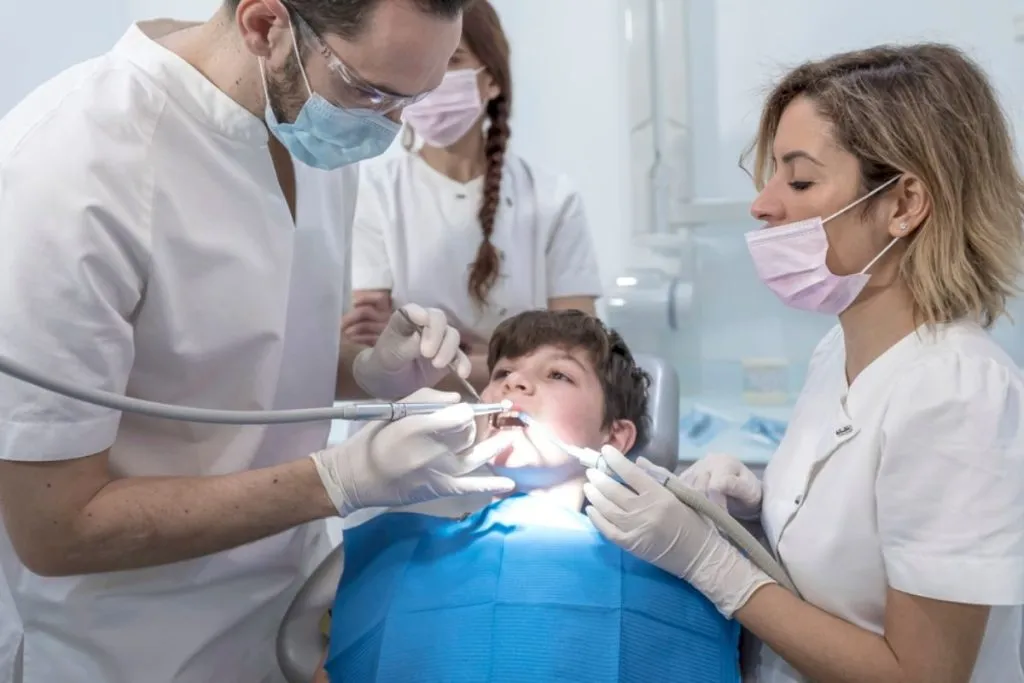
If tooth pain persists despite home care, professional intervention is necessary. Delaying treatment can lead to infections, abscesses, or permanent damage. Pediatric dentists can provide fillings, crowns, root canal therapy, or extractions depending on the severity. Early consultation ensures rapid relief and proper management of the underlying cause. Home remedies are supportive, not curative, for serious dental issues. Timely treatment maintains oral health and prevents complications.
Tooth pain in children can be distressing, but understanding the causes, home remedies, and warning signs can make management effective. Simple measures such as saltwater rinses, cold compresses, dietary changes, and gentle oral hygiene can provide temporary relief. Recognizing signs that require professional care prevents serious complications like abscesses or permanent damage. Regular dental checkups, preventive care, and parental guidance are key to maintaining oral health. Combining home management with timely dental visits ensures children remain comfortable and healthy. Early intervention and proper education lay the foundation for lifelong oral hygiene habits

March 02, 2026
Caring for Your Teeth During Invisalign Treatment | Oral Care TipsLearn how to properly care for your teeth and aligners during Invisalign treatment to maintain oral hygiene and achieve the best results.
March 02, 2026
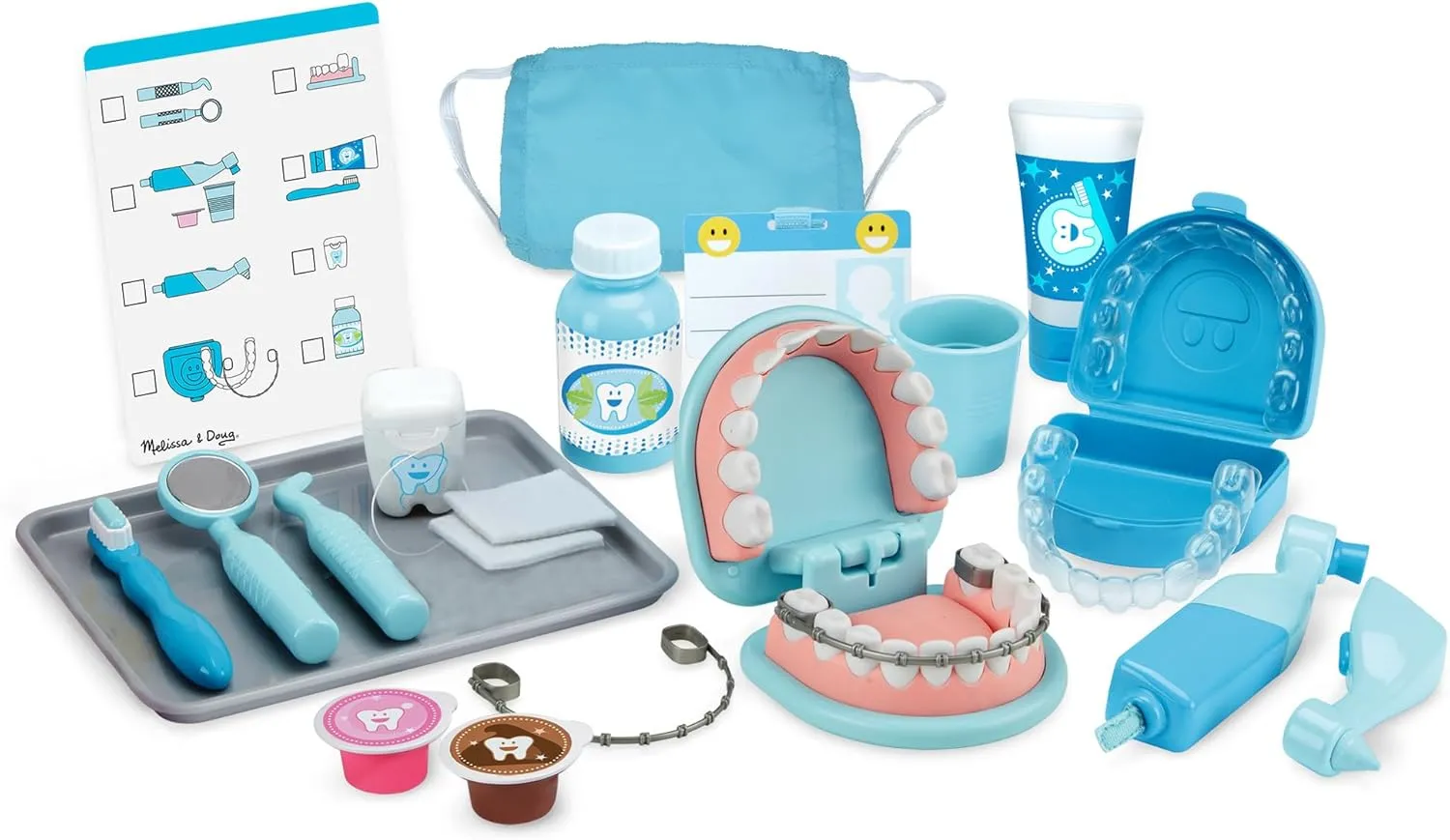
What to Pack in Your Child’s Dental Hygiene Kit for School – Essential ChecklistDiscover the must-have items to pack in your child’s dental hygiene kit for school. Keep their smile clean, healthy, and cavity-free throughout the day.
February 08, 2025

January 28, 2025

January 10, 2025

January 05, 2025

January 01, 2025
