In recent years, charcoal toothpaste has taken social media by storm. From influencers flaunting black foam smiles to brands claiming “natural whitening power,” activated charcoal has become a global oral care trend. You’ve probably seen those dramatic before-and-after photos and wondered does it really work, or is it just hype?
Charcoal toothpaste is marketed as a natural alternative to chemical whiteners, promising to lift stains and detoxify your mouth for a fresher, brighter smile. But as more people turn to this trend, dental experts have raised questions about its safety, effectiveness, and long-term impact on enamel health.
This article explores what charcoal toothpaste actually is, how it works, what the science says, and whether it’s truly a good choice for your teeth. By the end, you’ll know whether charcoal toothpaste deserves a spot in your daily routine or belongs in the occasional-use category.
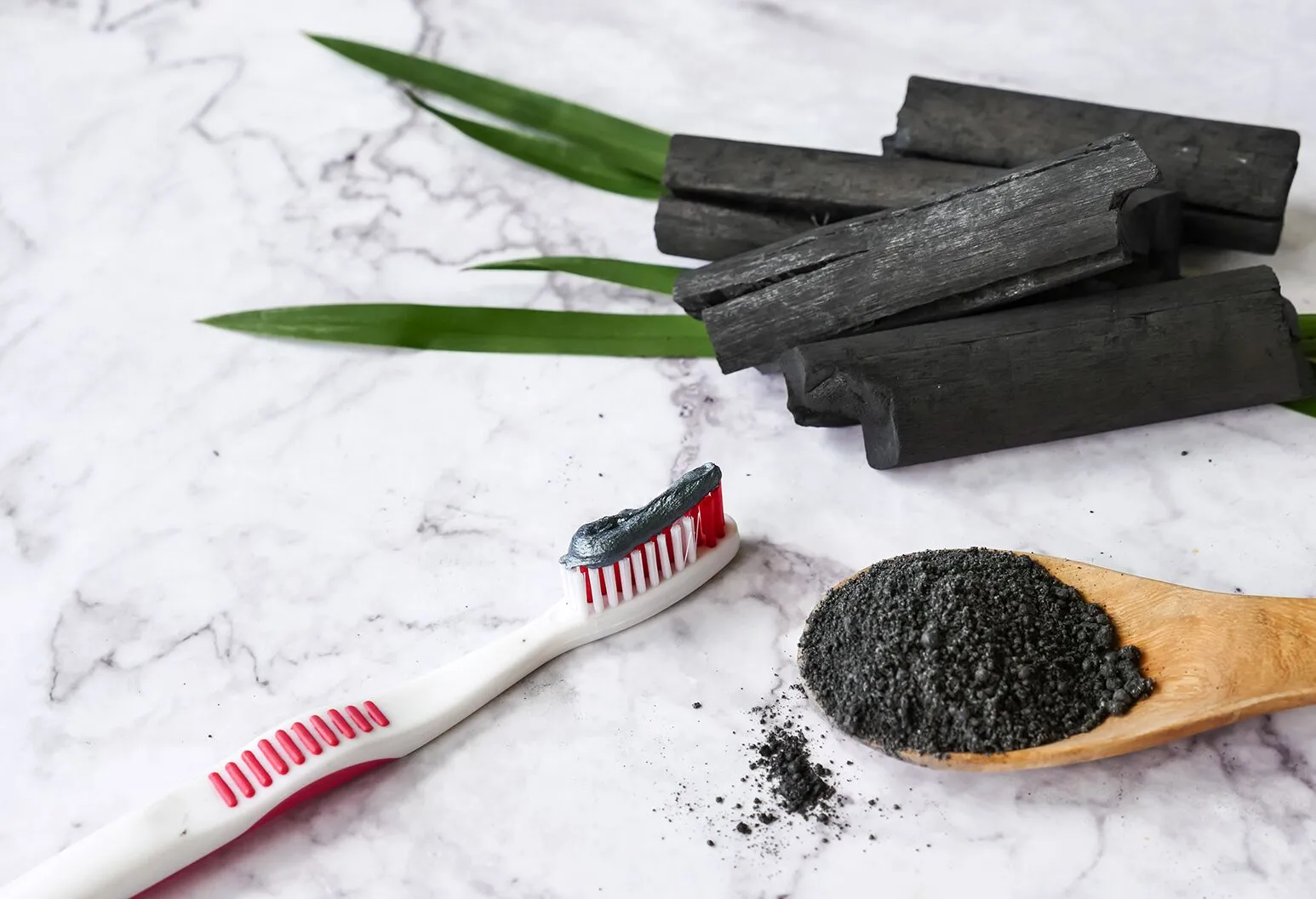
Activated charcoal is a fine, black powder created by heating carbon-rich materials such as coconut shells, wood, peat, or even sawdust at very high temperatures. This activation process increases its surface area and porosity, allowing it to effectively attract and bind substances a property that makes it popular in medicine for treating poisoning and filtering toxins.
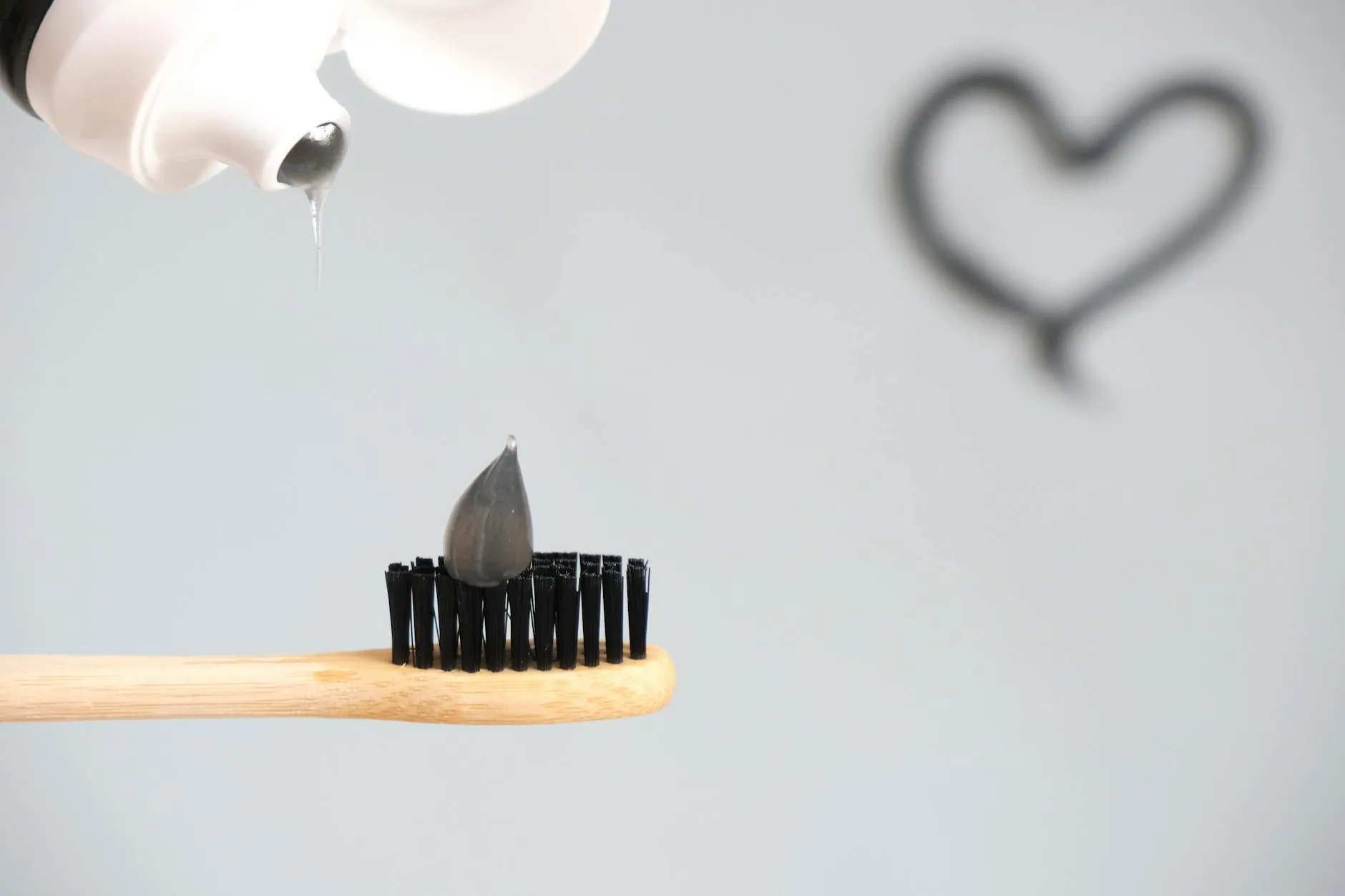
When added to toothpaste, this porous structure is believed to absorb surface stains on the teeth, such as those caused by coffee, tea, wine, and tobacco. Many brands promote charcoal as a natural, chemical-free way to whiten teeth and freshen breath.
One reason for the growing popularity of charcoal toothpaste is its image as a natural solution. Consumers are increasingly drawn to products that avoid synthetic ingredients, and charcoal seems to fit the bill. Its jet-black color and “detoxifying” claims make it stand out on the shelf but visual impact doesn’t always equal dental benefit.
While it’s true that activated charcoal has strong adsorptive properties, its performance on enamel and safety for everyday use are still under debate among dental professionals.
The Whitening Mechanism
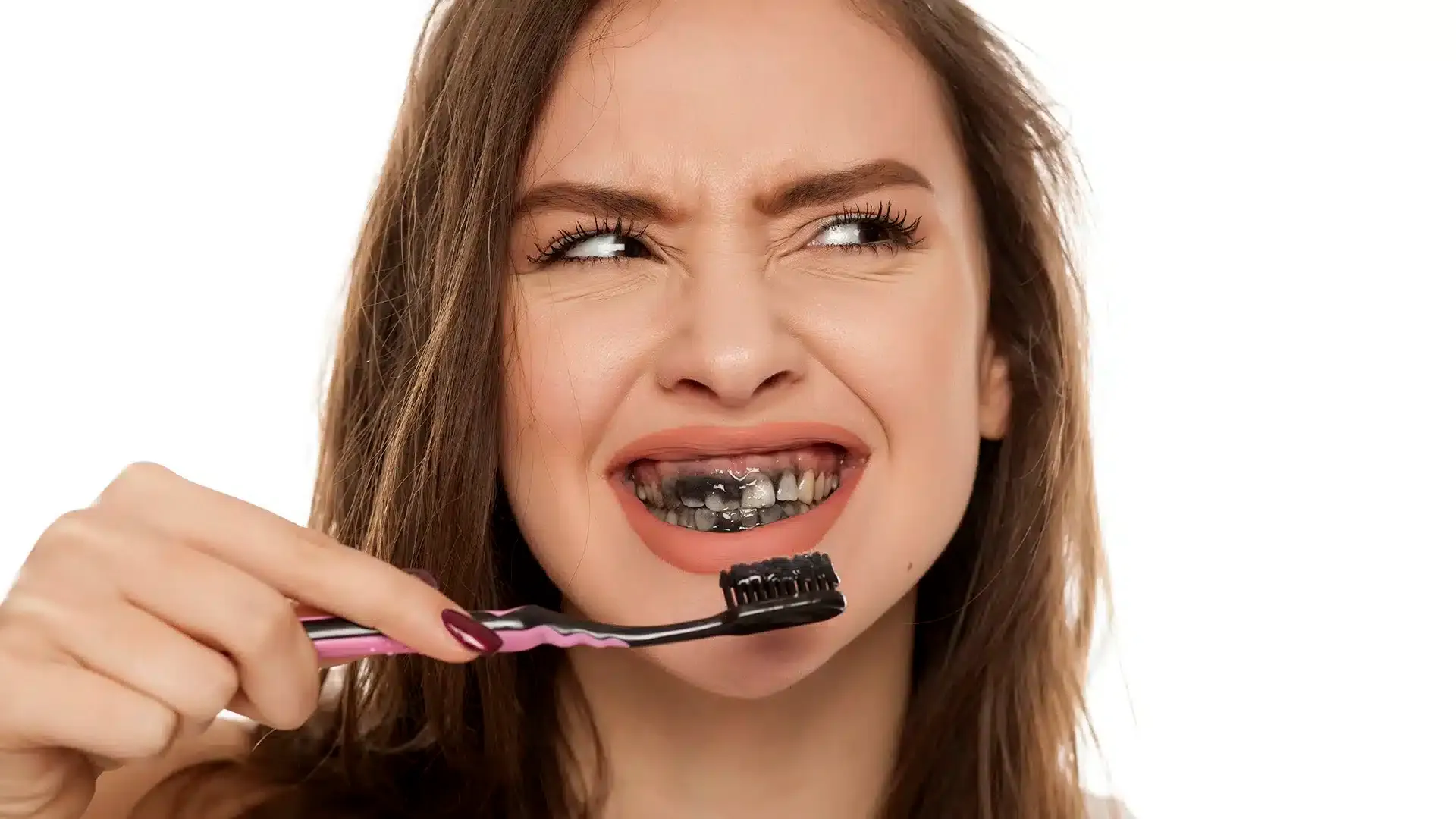
Charcoal toothpaste manufacturers claim that the product whitens teeth by binding to surface stains and lifting them away during brushing. The idea is that the micro-porous particles attract tannins the dark pigments in beverages like coffee, tea, and red wine leaving teeth looking cleaner and brighter.
However, it’s important to understand that these are surface-level (extrinsic) stains. Charcoal toothpaste does not penetrate enamel or chemically bleach teeth the way peroxide-based whitening agents do. In other words, it may make teeth appear slightly brighter temporarily, but it cannot alter the internal color of the enamel or dentin.
The “Detox” Myth
Some charcoal toothpaste brands go a step further by claiming to “detoxify” the mouth, removing bacteria and toxins. Scientifically, this claim doesn’t hold up. The mouth isn’t a system that requires detoxing and while charcoal may absorb certain compounds, it doesn’t selectively remove harmful bacteria or improve oral health in any measurable way.
What Science Says About Charcoal Toothpaste
Limited Evidence for Whitening
Scientific studies on charcoal toothpaste are limited, but existing research paints a cautious picture. Several reviews, including those published in The Journal of the American Dental Association (JADA), have concluded that there is insufficient evidence to support the long-term teeth whitening claims of charcoal-based products.
While some short-term improvements in stain removal are possible, these effects are primarily due to the toothpaste’s abrasiveness rather than any chemical whitening action. Over time, that same abrasiveness can do more harm than good.
Lack of ADA Approval
The American Dental Association (ADA) has not granted its Seal of Acceptance to any major charcoal toothpaste brands. This means that these products have not met the ADA’s rigorous safety and efficacy standards. The main concerns include enamel wear, absence of fluoride, and lack of long-term clinical data.
Enamel Abrasion and Long-Term Risks
Many charcoal toothpastes are highly abrasive, meaning the particles can physically scrape away stains but also thin the enamel layer that protects your teeth. Once enamel wears down, it doesn’t regenerate, leading to permanent damage, increased sensitivity, and even a dull yellow appearance as the underlying dentin becomes visible.
In short, while charcoal toothpaste may provide a brief polishing effect, the long-term trade-off could be a weaker, more vulnerable smile.
Potential Risks of Using Charcoal Toothpaste
Enamel Erosion: The Hidden Cost of a “Whiter” Smile
The gritty texture that gives charcoal toothpaste its polishing ability can also wear away the enamel surface over time. Repeated brushing with an abrasive paste can create microscopic scratches on the enamel, making it more susceptible to acid erosion and decay. Ironically, this damage can make teeth appear more yellow, not whiter.
Gum Irritation and Sensitivity
Charcoal particles are extremely fine, and if not properly rinsed, they can accumulate along the gumline. This can lead to irritation, inflammation, and even gum recession. People with existing gum problems or sensitive teeth are particularly at risk when using these products regularly.
Lack of Fluoride Protection
Many charcoal toothpaste formulas are marketed as fluoride-free. While this appeals to some consumers seeking “natural” products, it also removes one of the most important defenses against cavities. Fluoride strengthens enamel and helps prevent decay without it, teeth are far more vulnerable to bacterial damage.
Discoloration of Dental Restorations
Another concern is that charcoal may stain or dull the surfaces of dental restorations such as veneers, crowns, or composite fillings. This can result in uneven coloring across your smile, which is difficult to correct without professional treatment.
Are There Any Benefits?
Short-Term Cosmetic Effects
To be fair, charcoal toothpaste can provide a short-term aesthetic benefit. The abrasive particles can remove surface stains and leave teeth feeling smoother and cleaner. Some users also report that their mouth feels fresher after use, likely due to the absorbent nature of charcoal removing odor-causing compounds.
Temporary Brightening, Not True Whitening
However, these effects are purely cosmetic and temporary. True whitening involves changing the intrinsic color of the enamel and dentin something only peroxide-based agents can do. Charcoal toothpaste simply polishes the surface and may slightly enhance brightness for a few hours or days.
Safer and More Effective Alternatives for Teeth Whitening
Professional Whitening Treatments
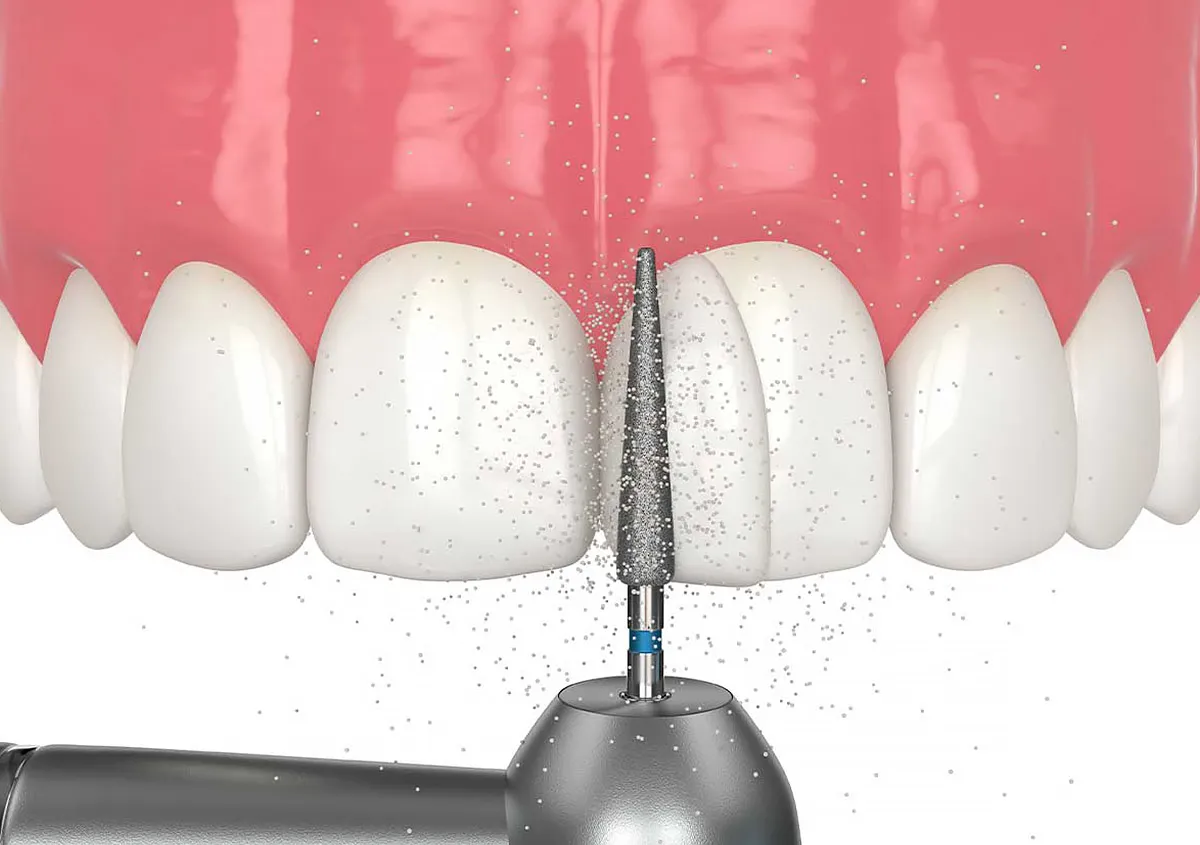
For those seeking noticeable and lasting results, professional in-office whitening is the gold standard. Dentists use controlled concentrations of peroxide gels that penetrate enamel safely to break down deep-set stains. These treatments are closely monitored to minimize sensitivity and protect enamel health.
Whitening Toothpastes with ADA Approval
There are many toothpastes on the market that contain mild polishing agents and fluoride, providing a safe way to maintain brightness without the risks associated with charcoal. Products carrying the ADA Seal of Acceptance have been clinically tested for safety and effectiveness.
At-Home Whitening Kits
Dentist-recommended at-home whitening kits are another effective option. These typically use custom-fitted trays or whitening strips containing low concentrations of peroxide, allowing gradual whitening over several days or weeks. The process is slower than in-office treatment but still delivers noticeable results.
Healthy Daily Habits for Natural Brightness
Good oral hygiene remains the foundation of a bright smile. Brushing twice daily with fluoride toothpaste, flossing to remove plaque, and reducing consumption of stain-causing foods and drinks all contribute to natural whiteness. Drinking water after coffee or tea, and visiting your dentist regularly for cleanings, will also help maintain your teeth’s brightness without risk.
What Dentists Say About Charcoal Toothpaste
Professional Opinions and Cautions
Most dental professionals agree that while charcoal toothpaste may offer a temporary cleaning effect, it’s not suitable for regular, long-term use. Dentists caution that the abrasiveness of charcoal can lead to enamel thinning, gum irritation, and increased sensitivity if used daily.
Occasional Use and Professional Guidance
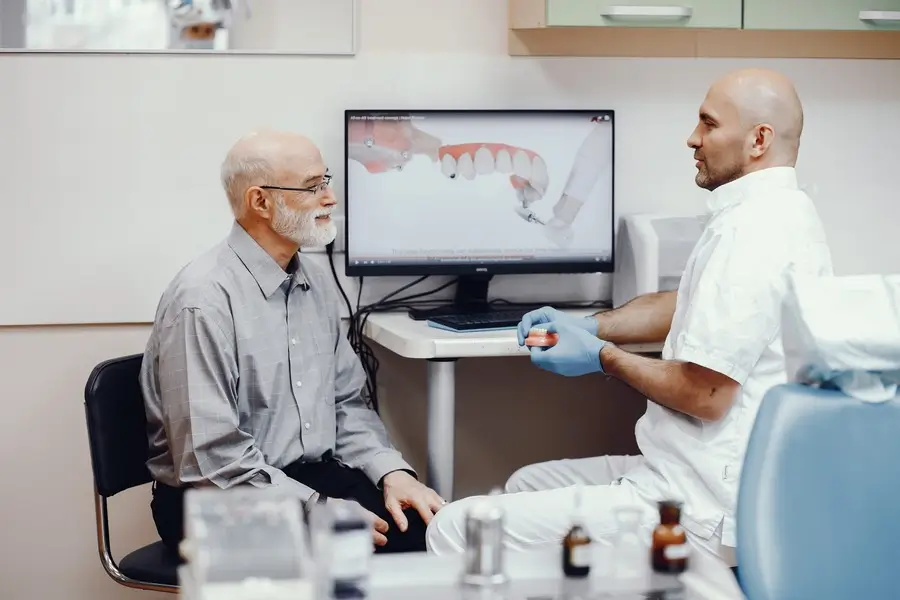
If you’re curious to try charcoal toothpaste, dentists recommend using it only occasionally perhaps once or twice a week and alternating with a fluoride toothpaste. Always look for formulations with a low abrasivity score (RDA value) and consult your dentist before incorporating any new whitening product into your routine.
Should You Try Charcoal Toothpaste?
Balancing Curiosity with Caution
It’s understandable to want a quick, natural fix for a brighter smile, and charcoal toothpaste might seem appealing at first glance. However, the evidence shows that it offers only surface-level improvements and may cause long-term damage if overused.
If you decide to experiment, use it sparingly and pay close attention to how your teeth and gums respond. If you notice increased sensitivity, discoloration, or discomfort, stop using it immediately and switch back to a fluoride-based toothpaste.
The Dentist’s Perspective
Dentists emphasize that enamel preservation should always come before cosmetic results. A bright smile means little if it comes at the cost of thinning enamel or irritated gums. Professional whitening treatments and fluoride-based products remain the safest and most effective routes for achieving a healthy, radiant smile.
The Future of Charcoal Toothpaste
Innovation and Research Ahead
Charcoal toothpaste isn’t going away anytime soon its popularity has prompted many companies to explore gentler, fluoride-infused formulas that balance whitening effects with enamel protection. Future research may provide better understanding and product improvements, but for now, caution remains the best approach.
Consumer Awareness Is Key
As consumers become more informed, it’s crucial to look beyond trendy marketing claims. Checking for ADA approval, reading ingredient lists, and consulting a dentist are simple yet powerful steps toward maintaining both oral health and aesthetics.
Conclusion: A Trend Worth Thinking Twice About
Charcoal toothpaste may make your teeth feel cleaner and look slightly brighter after brushing, but there’s little scientific proof that it delivers real whitening benefits. Worse, frequent use can erode enamel, irritate gums, and reduce your teeth’s natural protection against cavities.
For a truly whiter smile that lasts, trust methods backed by science professional whitening, fluoride-based products, and consistent oral care. The key takeaway is clear: while charcoal toothpaste may be trendy, your enamel’s long-term health is far more valuable than any short-lived shine.