Chipped teeth are a common dental problem that can result from accidents, biting hard foods, or everyday wear and tear. Although the damage may appear minor, it can affect both the appearance and function of your smile. Fortunately, dental bonding provides one of the quickest and most affordable cosmetic treatments to restore chipped teeth. This simple, non-invasive procedure can improve the look and feel of your teeth, helping you regain confidence in your smile.
Dental bonding is often chosen for its simplicity and effectiveness. Unlike more invasive procedures such as veneers or crowns, bonding preserves most of your natural tooth structure while providing immediate, aesthetic improvement. The treatment can be used for a single tooth or multiple teeth, depending on the extent of damage or cosmetic concerns.
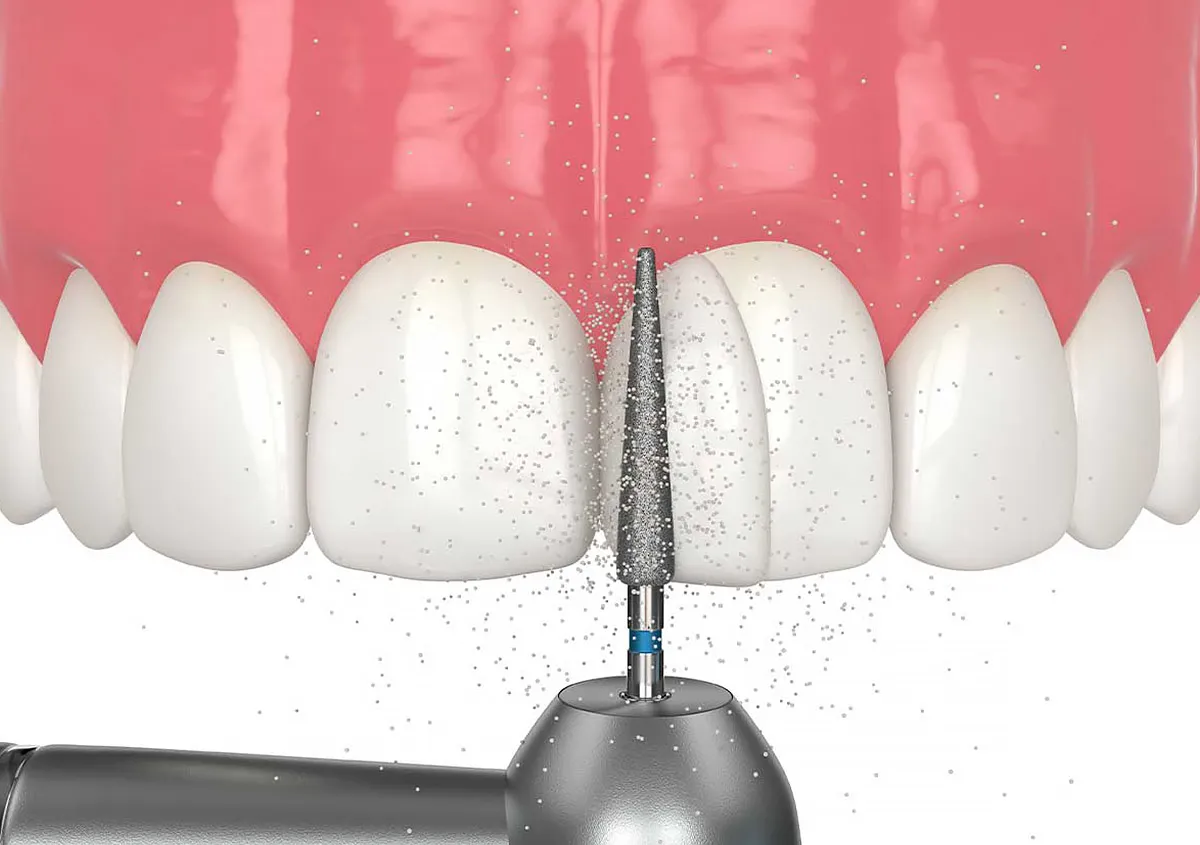
Next, a pliable resin carefully matched to your natural tooth color is applied in layers. Your dentist sculpts and molds the resin to achieve the desired shape, whether it’s to fill a chip, close a small gap, or even out tooth edges. Once properly shaped, a special blue curing light is used to harden the resin within seconds.
After the material sets, the dentist trims and polishes the bonded area until it matches the surrounding teeth in texture and shine. The final result is a smooth, natural-looking restoration that enhances your smile instantly.
Dental bonding is one of the least invasive cosmetic treatments available. It typically requires no anesthesia unless the procedure involves repairing a decayed tooth. Most appointments are completed in under an hour per tooth, allowing you to leave the clinic with immediate results.
Because it involves minimal enamel removal and is fully reversible if needed, bonding is an excellent first step for patients looking to explore cosmetic dentistry without permanent alterations. It’s ideal for those seeking a quick, pain-free, and affordable solution to restore confidence in their smile.
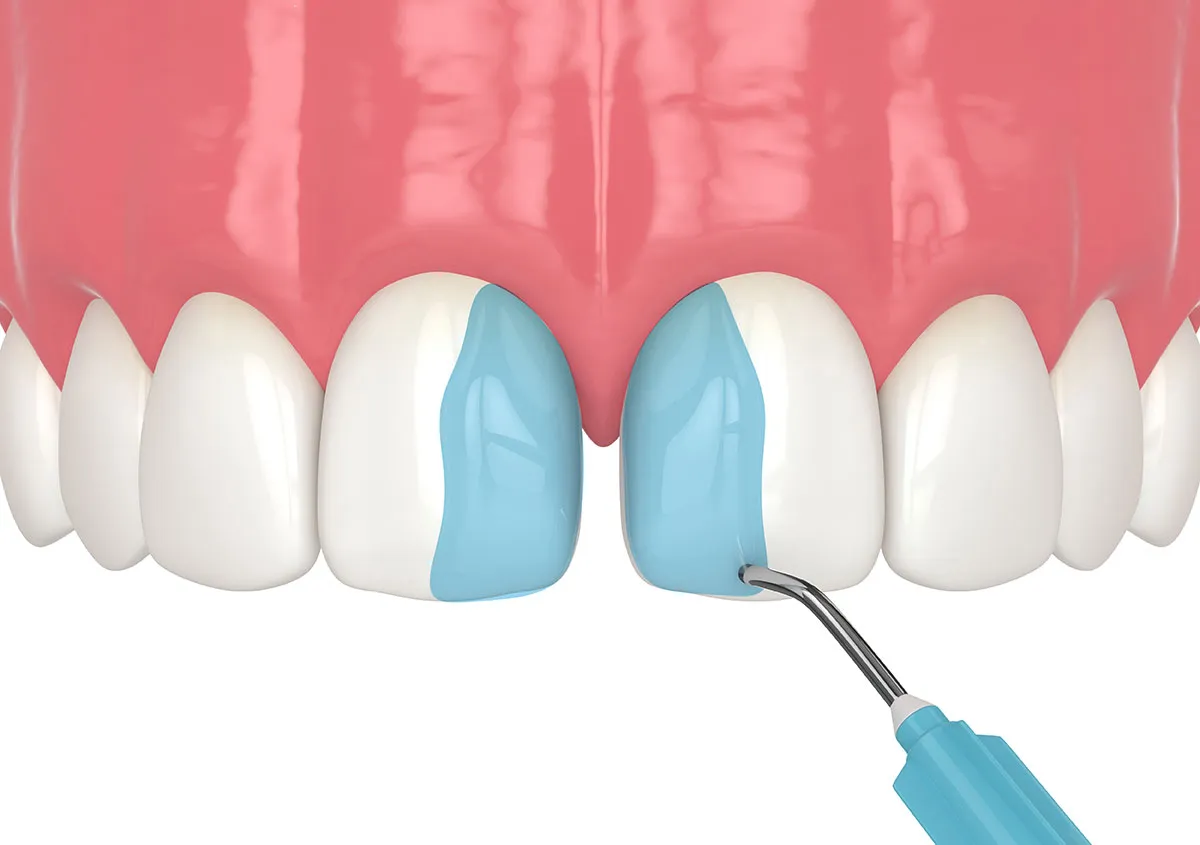
Dental bonding is best suited for minor imperfections such as small chips or cracks that do not affect the tooth’s structure. It can also correct minor gaps, discoloration, or uneven edges and is often used to enhance the appearance of front teeth where aesthetics are most noticeable. For patients seeking a simple and quick cosmetic improvement without undergoing extensive dental work, bonding is an excellent solution.
Benefits of Dental Bonding for Chipped Teeth
Dental bonding offers a combination of practicality, aesthetics, and affordability, making it one of the most popular solutions for repairing chipped or slightly damaged teeth. It not only restores your smile’s appearance but also strengthens the affected tooth, preventing further wear or breakage.
Quick and Simple Procedure
One of the greatest advantages of dental bonding is its speed and convenience. In most cases, the entire procedure can be completed in a single visit, often within 30 to 60 minutes per tooth. There’s no need for anesthesia (unless the chip exposes the tooth nerve), drilling, or laboratory work. This makes bonding an ideal choice for busy individuals who want a same-day solution for minor cosmetic flaws. You can walk into your dentist’s office with a chipped tooth and leave the same day with a beautifully restored smile.
Affordable Cosmetic Fix
Compared to veneers or dental crowns, bonding is one of the most cost-effective cosmetic treatments available. It delivers noticeable results at a fraction of the cost of more complex procedures. Because it’s a straightforward, minimally invasive process, dental bonding doesn’t involve expensive lab fabrication or multiple appointments, helping patients achieve aesthetic improvements even on a modest budget. It’s particularly beneficial for young adults or those looking for a short- to medium-term solution before committing to more permanent options.
Natural-Looking Results
Modern composite resins are highly advanced and come in a variety of shades to match your natural teeth perfectly. Your dentist carefully selects and layers the resin to mimic the translucency, shine, and color gradient of real enamel. Once sculpted and polished, the bonded area reflects light similarly to natural teeth, ensuring the restoration is virtually indistinguishable from the surrounding tooth structure. The result is a flawless, confident smile that feels as natural as it looks.
Preserves Natural Tooth Structure
Unlike crowns or veneers, which require reshaping or removing a portion of the tooth enamel, dental bonding is a conservative treatment that leaves most of your natural tooth intact. The dentist only roughens the surface slightly to help the resin adhere properly.
This preservation of the natural structure means less discomfort, faster recovery, and no long-term compromise of the tooth’s integrity. It’s a gentle, reversible option that enhances your smile while maintaining the health and strength of your teeth.
Instant Improvement and Versatility
Beyond repairing chips, bonding can address multiple aesthetic issues such as discoloration, gaps, and uneven edges all in one procedure. The instant transformation it offers makes it one of the most gratifying treatments in cosmetic dentistry. Whether you’re preparing for a big event, an important meeting, or simply want to regain confidence in your smile, dental bonding delivers beautiful, immediate results with minimal effort or downtime.
Limitations of Dental Bonding
Durability
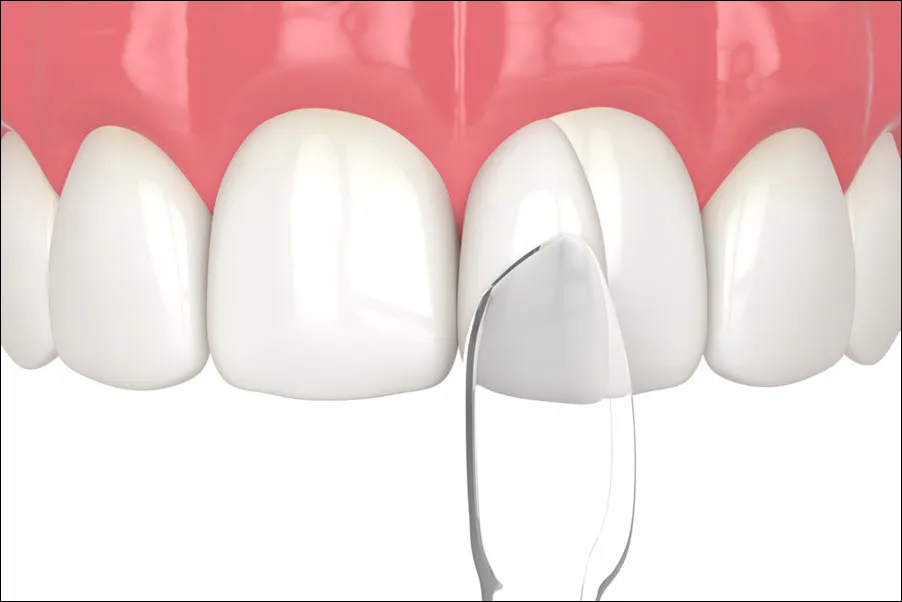
Although bonding materials are strong, they are not as durable as porcelain veneers or crowns. Over time, the bonded area can chip or wear down, especially if you frequently bite hard foods or objects. Proper care and mindful habits can, however, extend its lifespan.
Staining Over Time
Composite resin is more susceptible to staining than porcelain. Foods and beverages like coffee, tea, and red wine, as well as smoking, can cause discoloration. Regular polishing and professional cleaning help maintain its brightness.
Not Suitable for Major Damage
Dental bonding is best for small cosmetic corrections. In cases of significant fractures, decay, or structural damage, alternative treatments such as crowns or veneers may be more appropriate for lasting strength and protection.
How Long Does Dental Bonding Last?
Dental bonding typically lasts between five and ten years, depending on oral hygiene and lifestyle habits. Regular brushing, flossing, and dental checkups help preserve the bonded tooth. Avoiding hard foods and maintaining good dental practices can also prolong the life of your restoration.
Alternatives to Dental Bonding
For patients with more extensive dental concerns, alternatives such as porcelain veneers, dental crowns, or inlays and onlays may be considered. Veneers offer superior durability and stain resistance, making them ideal for front teeth. Crowns provide maximum strength and protection for larger fractures, while inlays and onlays serve as a middle ground for moderate damage.
Aftercare Tips for Bonded Teeth
Caring for bonded teeth is simple but essential. Avoid biting or chewing on hard objects like ice, pens, or fingernails, as this can cause chips or cracks. Brush and floss daily to prevent plaque buildup and discoloration. Try to limit consumption of stain-causing drinks like coffee, tea, and red wine. Regular dental visits allow your dentist to polish and maintain your bonded teeth, keeping them smooth and glossy for years.
Conclusion: A Quick, Effective Smile Restoration
Dental bonding stands out as one of the most accessible and effective solutions for restoring chipped or slightly damaged teeth. It’s a simple procedure that blends artistry with science reshaping, repairing, and refining your smile in just one visit. The process is gentle, painless, and affordable, making it a preferred choice for patients seeking instant results without extensive dental work.
Beyond aesthetics, bonding helps protect the tooth from further wear or sensitivity by sealing exposed areas and reinforcing weak edges. This added protection ensures that your teeth not only look better but also function comfortably during daily activities such as eating and speaking.
While dental bonding isn’t designed to last a lifetime like porcelain veneers or crowns, its easy maintenance and low cost make it a practical solution for minor cosmetic concerns. Small touch-ups can be performed during regular dental visits, keeping your smile looking bright and even for years. Many patients even choose bonding as a temporary enhancement before investing in longer-term treatments.