


February 26, 2026
What If I Haven’t Seen a Dentist in Years? What to Do NextHaven’t visited a dentist in years? Learn what to expect, how to prepare, and why it’s never too late to restore oral health.

February 26, 2026
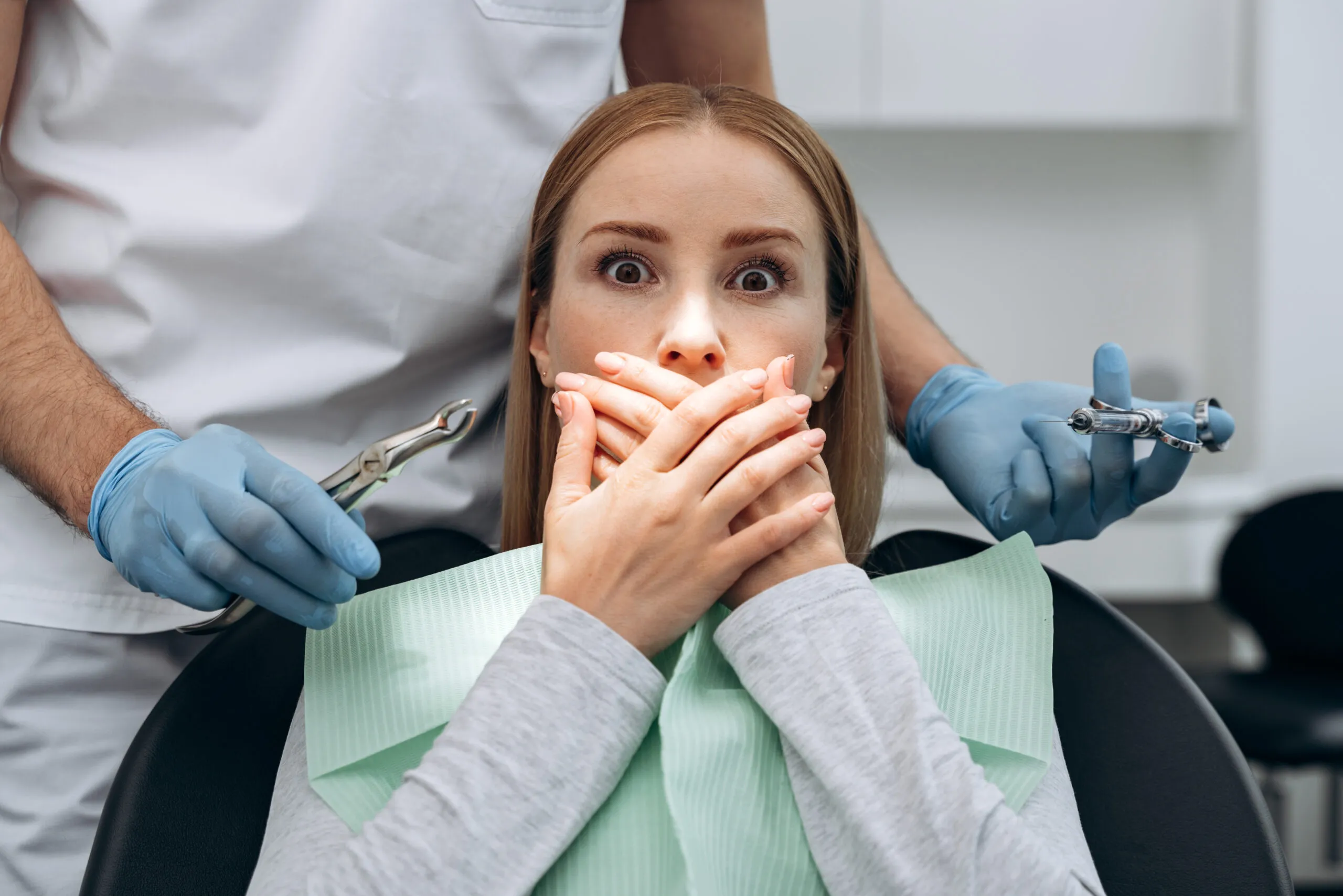
Visiting the dentist can trigger anxiety for many people, even for something as routine as a dental cleaning. Nervousness before a dental visit is a common experience, and understanding why it occurs can help reduce fear. This article explores the causes of dental anxiety, its effects, and practical ways to manage it, making your next dental visit more comfortable. By addressing these concerns, individuals can maintain oral health without unnecessary stress or delay.
Dental appointments are essential for maintaining healthy teeth and gums, yet many people postpone visits due to fear. Even routine procedures like dental cleanings can create a sense of worry or unease. The anticipation of discomfort, embarrassment, or unfamiliar procedures often heightens anxiety. Recognizing that nervousness is normal can help reduce its intensity. With proper preparation and understanding, a dental visit can be a manageable, even positive experience. Awareness and education about dental anxiety are key to overcoming it and maintaining oral health.
Dental anxiety is the fear or apprehension experienced before or during dental appointments. It can range from mild nervousness to severe phobia, significantly affecting oral health if not addressed. Anxiety may be triggered by past negative experiences, fear of pain, or the loss of control during treatment. Understanding the root causes of dental anxiety is essential for managing it effectively. Being aware of the prevalence of this issue helps normalize the experience. It is important to recognize that anxiety does not indicate weakness but a natural human response to stress.
Dental anxiety is an emotional response characterized by worry, stress, or fear related to dental care. It can manifest physically, emotionally, or behaviorally, influencing a person’s willingness to seek treatment. While some people experience mild apprehension, others develop phobia-level anxiety that can prevent routine visits. Symptoms often include tension, restlessness, and avoidance behaviors. Recognizing dental anxiety as a real condition helps patients seek supportive strategies. Proper understanding ensures that patients receive care without unnecessary distress.
Studies suggest that over one-third of the population experiences some form of dental anxiety. A smaller percentage suffers from severe dental phobia that can prevent them from visiting the dentist for years. Anxiety is not limited by age, gender, or socioeconomic status; it can affect anyone. Awareness of its prevalence helps individuals realize they are not alone. Dentists are trained to accommodate anxious patients and make the experience as comfortable as possible. Understanding statistics also encourages the development of supportive strategies in dental care.

Dental anxiety often develops due to a combination of personal experiences and psychological factors. Past negative dental experiences, such as pain or discomfort, are common triggers. Fear of the unknown, sensory sensitivities, and concern about losing control during procedures also contribute. Media depictions of dental pain can exaggerate fears. Understanding why anxiety develops allows patients to address specific triggers. Awareness helps patients adopt coping strategies to reduce nervousness before dental appointments.
Even routine dental cleanings can trigger anxiety, especially for first-time patients. The anticipation of discomfort or judgment about oral health often heightens nervousness. People may worry about the sensation of cleaning tools on teeth and gums. The unfamiliar sights, sounds, and smells of a dental office can also create tension. Nervousness is a normal human response to situations perceived as stressful or uncertain. Recognizing the reasons behind these feelings is the first step in managing them effectively.
One of the most common causes of dental anxiety is the fear of pain. Despite advances in pain management, many individuals anticipate discomfort during cleanings. This fear can be intensified by stories from others or past experiences. Understanding that modern dentistry is designed to minimize pain can help reduce anxiety. Dentists are skilled in using anesthetics and gentle techniques to make cleanings virtually painless. Addressing this fear openly with the dentist often alleviates much of the tension before the appointment.
Feeling self-conscious about the state of one’s teeth or gums is another source of anxiety. Some patients worry about judgment from the dentist or dental staff. This embarrassment can create tension even before the appointment begins. It is important to remember that dentists are professionals trained to treat patients without judgment. Open communication about oral hygiene habits allows the dentist to provide supportive care. Recognizing that embarrassment is common can help normalize these feelings.
Uncertainty about what will happen during a dental cleaning can provoke nervousness. For those who have not visited a dentist in years, the fear of unknown procedures is significant. Worrying about potential discomfort, tools, or sensations often amplifies anxiety. Learning about the procedure beforehand can reduce fear. Dentists usually explain the cleaning steps in detail, helping patients feel informed and prepared. Understanding what to expect fosters confidence and decreases stress.
Many people are sensitive to the sights, sounds, and smells of a dental office. The sound of suction tools, drills, or scraping instruments can create anticipatory fear. Certain smells, such as antiseptic solutions, can also trigger nervousness. Even minor physical sensations can feel amplified when anxious. Awareness of sensory triggers allows patients to prepare coping strategies. For example, listening to music or using calming techniques can help minimize sensory-induced anxiety.
Recognizing symptoms of dental anxiety is crucial for effective management. Anxiety can manifest physically, emotionally, and behaviorally, often in subtle ways. Physical symptoms may include sweating, increased heart rate, or stomach discomfort. Emotional symptoms often include fear, restlessness, and irritability. Behavioral symptoms might involve avoidance of appointments or nervous fidgeting. Identifying these signs early allows patients to implement strategies to stay calm and comfortable.
Yes, it is completely normal to feel nervous before a dental cleaning. Feeling anxious is a natural human response to situations perceived as potentially uncomfortable or painful. Mild nervousness often motivates preparation and awareness about oral health. Understanding that nervousness is common can reduce feelings of shame or embarrassment. Most people experience some degree of stress before dental visits. Accepting nervousness as normal is the first step toward managing it effectively.
While mild nervousness is normal, dental phobia is a more severe condition. Phobia-level anxiety may cause panic attacks, extreme sweating, and avoidance for years. It often requires professional intervention to manage. Differentiating between normal fear and phobia helps in selecting appropriate coping strategies. Patients with phobias may benefit from therapy or sedation options. Understanding this distinction allows dentists to tailor care to individual needs.
Dental cleanings are vital for preventing oral health problems. Regular cleanings remove plaque, tartar, and bacteria that cause cavities and gum disease. They also help maintain fresh breath and overall oral hygiene. Dentists can detect early signs of dental issues during these visits. Routine cleanings are an essential preventive measure, reducing the need for extensive treatment later. Understanding the benefits of cleanings can help reduce anxiety by highlighting their value.
Psychological factors often intensify nervousness before dental appointments. Past traumatic experiences at the dentist, such as painful procedures, strongly influence current anxiety. Individuals with high sensitivity to discomfort or stress are more prone to nervousness. Media portrayals of dental pain can exaggerate fears. Negative thinking patterns or worry about judgment also contribute. Recognizing these psychological triggers allows patients to implement effective coping strategies.
Negative experiences in the dental chair can leave lasting impressions. Painful procedures or perceived negligence may cause lingering fear. These experiences often trigger heightened nervousness in future visits. Addressing past trauma with the dentist helps in tailoring a comfortable approach. Many dentists use gentle techniques and clear communication to rebuild trust. Understanding that past experiences shape anxiety allows patients to proactively manage their fears.
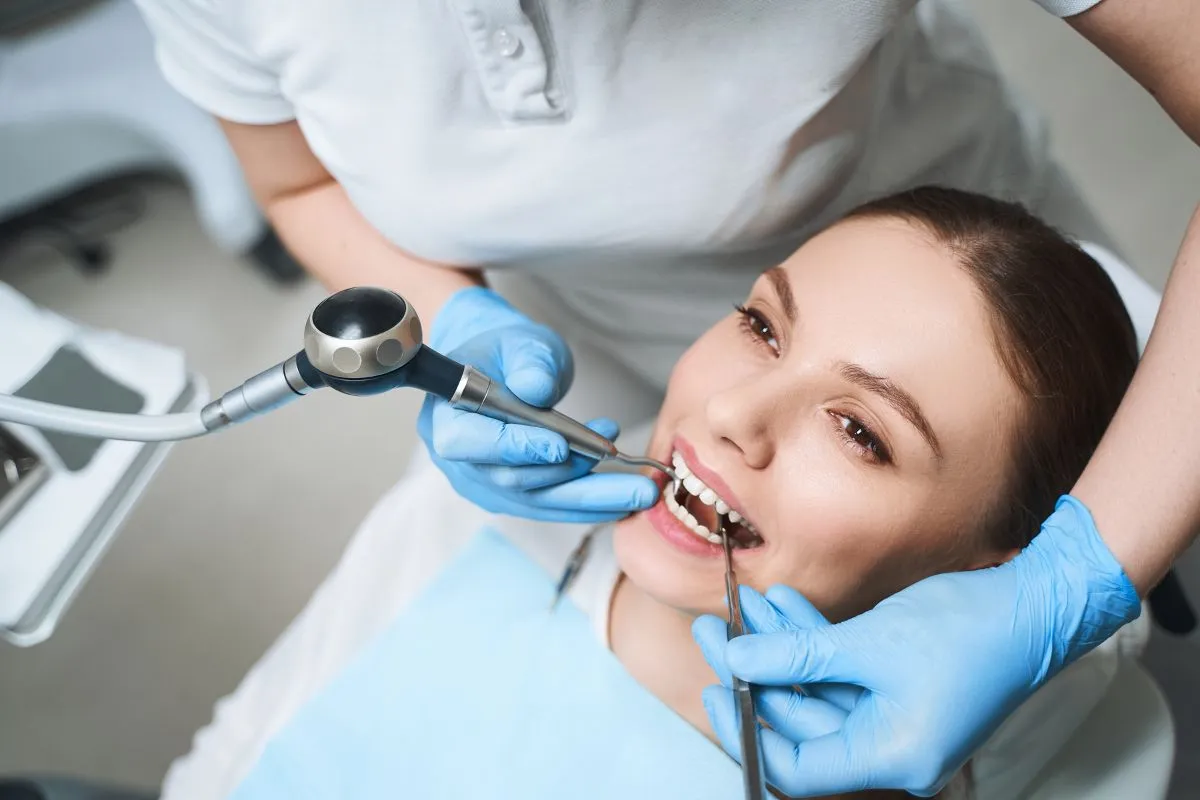
Some people are naturally more sensitive to sensations, sounds, or stress. This heightened awareness can make even routine dental visits feel overwhelming. Individuals with low pain tolerance may feel more nervous than others. Being aware of personal sensitivity allows patients to choose strategies that provide comfort. Dentists can offer options like numbing gels, breaks, or music to ease discomfort. Sensitivity is not a weakness, but a normal variation in how people experience the world.
Movies, TV shows, and social media often exaggerate the dangers or pain associated with dental care. These portrayals can create unrealistic fears in viewers. Anticipating similar experiences during real visits may heighten anxiety. Recognizing the influence of media helps individuals differentiate between fact and fiction. Education about modern dental practices counteracts misleading portrayals. Being informed about actual procedures reduces unnecessary worry.
Physical conditions can increase vulnerability to dental anxiety. Low pain tolerance or chronic stress may amplify nervousness during appointments. Conditions such as high blood pressure or heart issues may cause additional concern about medical safety. Sensory processing differences can make dental tools or sensations feel intense. Awareness of these physical factors allows for appropriate planning and communication with the dentist. Preparing the body through relaxation techniques or light exercise can mitigate physical stress.
There are several practical strategies to manage nervousness before dental visits. Open communication with the dentist helps establish trust and comfort. Bringing a supportive companion can reduce stress and provide reassurance. Relaxation techniques such as deep breathing or meditation calm the mind and body. Scheduling appointments at less busy times or early in the day can reduce waiting anxiety. Being proactive about anxiety management improves the overall dental experience.
Informing your dentist about fears and concerns is essential. Dentists can explain procedures clearly and adjust techniques for comfort. Open communication ensures that pain management options are discussed beforehand. Patients often feel more in control when they share their anxieties. This approach allows the dentist to provide personalized care. Feeling heard reduces stress and promotes a positive dental experience.
Having a trusted friend or family member accompany you can provide emotional support. Their presence often alleviates feelings of vulnerability. Support persons can help distract or calm the patient during waiting or procedures. This strategy is especially useful for those with high anxiety levels. Knowing someone is nearby provides reassurance. Many dental offices encourage support companions for anxious patients.
Techniques such as deep breathing, progressive muscle relaxation, and meditation are effective. Listening to calming music or guided imagery can redirect focus from fear. Practicing relaxation regularly helps the body respond calmly to stress. Combining these methods before and during appointments reduces nervousness. Mindfulness can create a sense of control during procedures. Consistent use of these strategies enhances overall dental experiences.
Scheduling appointments early in the day prevents anxiety from building. Waiting for hours before a visit often intensifies nervousness. Morning appointments allow patients to attend with a fresh, rested mind. Early visits also reduce conflicts with daily responsibilities. Consistency in timing helps create a predictable routine. A structured schedule can lessen anticipatory fear.
Modern dentistry offers multiple ways to minimize discomfort and anxiety. Local anesthetics numb specific areas, ensuring painless cleaning. Nitrous oxide or “laughing gas” induces relaxation while keeping patients awake. Oral sedatives help those with moderate anxiety feel calm during procedures. For severe cases, IV sedation allows deeper relaxation under professional supervision. Discussing these options with the dentist ensures a comfortable and stress-free experience.
Numbing gels or injections target specific areas of the mouth. Patients feel little to no pain during cleanings. Local anesthetics are safe and effective for routine procedures. They help reduce anticipatory fear about discomfort. Communicating areas of concern with the dentist allows tailored application. This option ensures a smooth and painless cleaning experience.
Nitrous oxide helps patients relax without losing consciousness. It is ideal for mild to moderate anxiety and can be adjusted during treatment. The effects wear off quickly after the procedure. Many patients report feeling calm and comfortable throughout the cleaning. Dentists monitor patients closely to ensure safety. This method is a popular choice for nervous patients.
Prescription oral sedatives help reduce anxiety before or during visits. They are particularly useful for patients with moderate to severe dental fear. The sedative induces calmness without full unconsciousness. Patients may need someone to accompany them due to drowsiness. Oral sedatives are part of a comprehensive anxiety management plan. They allow patients to attend necessary dental care without extreme stress.
IV sedation provides a deeper level of relaxation for patients with severe anxiety or phobia. It is administered under careful monitoring by dental professionals. Patients may have little to no memory of the procedure afterward. This method ensures complete comfort and safety during complex or stressful procedures. IV sedation is often used for prolonged or invasive treatments. It allows anxious patients to receive necessary care without distress.
Cognitive-behavioral strategies can be highly effective in managing dental anxiety. Techniques focus on changing negative thought patterns and behaviors related to dental care. Gradual exposure to dental environments reduces fear over time. Guided imagery and relaxation exercises create positive associations with dental visits. Patients learn to cope with anxiety in a structured and controlled manner. These approaches empower individuals to attend appointments confidently.
Desensitization involves gradual exposure to the dental environment. Starting with short visits or casual office tours reduces fear. Patients become familiar with sounds, smells, and sights. Over time, exposure diminishes the emotional response to dental stimuli. This method builds confidence and reduces avoidance behavior. Desensitization is effective for patients with mild to moderate anxiety.
Cognitive restructuring challenges negative beliefs about dental procedures. Patients learn to replace irrational fears with realistic expectations. Techniques include reframing thoughts and visualizing positive outcomes. This approach reduces anticipatory anxiety before appointments. Consistent practice strengthens confidence and reduces fear. Cognitive restructuring is a key element in long-term anxiety management.
Guided imagery uses mental visualization to create calm, positive experiences. Patients imagine relaxing scenarios during dental procedures. This method redirects attention from fear and discomfort. It can be combined with deep breathing for maximum effect. Guided imagery enhances relaxation and reduces anxiety in real-time. Many patients find this approach simple yet highly effective.
Certain lifestyle practices can help reduce anxiety before dental appointments. Eating a light, balanced meal ensures energy and comfort during the visit. Staying hydrated prevents additional discomfort or irritability. Avoiding excess caffeine or stimulants minimizes nervousness. Practicing meditation or mindfulness before appointments calms the mind. Adequate sleep the night before helps maintain emotional stability. Preparing physically and mentally enhances the overall dental experience.
Consistent dental visits reduce fear by creating familiarity. Regular exposure to the dental environment builds comfort and confidence. Patients become accustomed to staff, procedures, and routine checks. Familiarity helps normalize the experience and reduce anticipatory anxiety. Preventive care visits also minimize the risk of painful interventions. Over time, regular visits make dental cleanings a routine, manageable part of life.
If nervousness prevents dental visits for years or causes panic attacks, professional help is necessary. Therapists specializing in anxiety or phobias can provide coping strategies. Hypnotherapy may help some patients reduce extreme fear. Prescribed medications are available for severe cases under medical supervision. Seeking help ensures oral health is maintained despite anxiety. Addressing severe dental fear early prevents long-term health complications.
Feeling nervous before a dental cleaning is normal and experienced by millions of people. Recognizing anxiety as a natural response helps normalize the experience. Understanding triggers, symptoms, and strategies to manage nervousness empowers patients. Open communication with dental professionals, lifestyle preparation, relaxation techniques, and sedation options make dental visits manageable. Regular visits build familiarity, reducing fear over time. With awareness and proactive strategies, dental cleanings can become comfortable, routine, and even stress-free.
February 26, 2026
What If I Haven’t Seen a Dentist in Years? What to Do NextHaven’t visited a dentist in years? Learn what to expect, how to prepare, and why it’s never too late to restore oral health.

February 26, 2026
Dental Hygiene Tips for Kids Ages 5–10 | Healthy SmilesHelp kids ages 5–10 build strong oral habits with easy dental hygiene tips that prevent cavities and support lifelong healthy smiles.
February 08, 2025

January 28, 2025

January 10, 2025

January 05, 2025

January 01, 2025
