


February 28, 2026
Is a Smile Makeover Worth It? Benefits, Costs & ResultsConsidering a smile makeover? Explore the benefits, costs, longevity, and whether cosmetic dentistry is truly worth the investment.


February 28, 2026
Bad breath, or halitosis, is more than just a social inconvenience it can indicate underlying health issues. While occasional bad breath is often harmless and caused by diet or temporary oral bacteria, persistent halitosis may point to serious oral or systemic conditions. Understanding when bad breath is a sign of something more significant is essential for maintaining overall health. Early recognition can prevent complications and improve quality of life. Identifying the source of bad breath requires careful observation of additional symptoms and patterns. Professional evaluation may be necessary to address the root cause effectively.
Bad breath occurs when bacteria in the mouth break down food particles, releasing sulfur-containing compounds. These compounds create the unpleasant odor commonly associated with halitosis. Saliva naturally helps wash away bacteria and neutralize acids, but a dry mouth allows bacteria to thrive. Bad breath can be temporary, triggered by certain foods or habits, or chronic, persisting for weeks or months. Chronic halitosis may indicate more severe oral or systemic issues that require attention. Being aware of its causes helps differentiate between minor and serious problems.
Most bad breath originates in the mouth due to trapped food, poor oral hygiene, or bacterial overgrowth. Foods like garlic, onions, and spices release strong-smelling compounds that contribute to odor. Tobacco use, alcohol, and coffee can exacerbate the problem by drying the mouth and introducing chemicals that bacteria feed on. Dry mouth, or xerostomia, reduces saliva, creating an ideal environment for odor-producing bacteria. Even without underlying disease, these factors can cause persistent halitosis. Addressing diet, hygiene, and lifestyle often improves breath odor significantly.
Persistent bad breath is a warning sign that the cause may extend beyond temporary oral issues. If halitosis continues despite proper brushing, flossing, and mouthwash use, underlying conditions should be considered. This could include gum disease, dental infections, respiratory infections, or systemic disorders like diabetes or kidney disease. The pattern of bad breath—such as timing, intensity, and triggers—provides important clues for diagnosis. Monitoring additional symptoms like gum bleeding, dry mouth, or digestive issues helps determine severity. Prompt evaluation can prevent minor problems from escalating into more serious health concerns.
Gum disease is a major cause of chronic bad breath, resulting from bacterial infection in the gums. Plaque accumulation leads to gingivitis, which, if untreated, progresses to periodontitis. Periodontitis causes the gums to recede and form pockets that harbor bacteria. These bacteria produce volatile sulfur compounds that cause persistent halitosis. Other symptoms include swollen, red gums, bleeding during brushing, and loose teeth. Professional dental treatment, including cleaning and possibly deep scaling, is required to manage periodontitis and eliminate bad breath.
Tooth decay allows bacteria to penetrate the inner layers of the tooth, leading to infections and abscesses. Infected teeth emit foul-smelling compounds, which contribute to bad breath. Common signs include toothache, sensitivity, swelling, and visible cavities. Abscesses are severe infections that can spread to surrounding tissues, worsening halitosis and causing systemic symptoms like fever. Treating tooth decay through fillings, root canals, or extractions is crucial to prevent chronic bad breath. Early intervention prevents more complex dental problems and restores oral health.
The tongue, particularly the back, can trap food particles, dead cells, and bacteria, forming a coating that emits odor. Tongue coating is often overlooked in oral hygiene but is a major contributor to bad breath. Regular cleaning using a tongue scraper or brush significantly reduces bacteria and volatile compounds. Persistent coating may indicate oral infections or digestive issues if it accompanies other symptoms. Tongue health reflects overall oral hygiene, making it a key focus for halitosis management. Proper tongue cleaning is simple yet highly effective for improving breath quality.
Neglecting daily brushing and flossing allows food debris and bacteria to accumulate, producing foul odors. Irregular dental care contributes to plaque buildup, gum disease, and tooth decay—all of which exacerbate bad breath. Using mouthwash alone is insufficient if underlying hygiene practices are poor. Establishing a consistent oral care routine is essential for long-term breath freshness. Brushing twice a day, flossing, and regular dental checkups help eliminate preventable causes of halitosis. Good hygiene is the foundation of both oral and overall health.
Sinusitis, bronchitis, and tonsillitis can contribute to bad breath through bacterial overgrowth in the respiratory tract. Post-nasal drip carries mucus and bacteria to the throat, producing foul odors. Chronic respiratory infections may also cause cough, congestion, and sore throat. Treating the underlying infection often resolves associated halitosis. Ignoring these infections can worsen breath odor and lead to complications like pneumonia. Maintaining respiratory health is essential for fresh breath and overall wellbeing.
Digestive issues, including GERD, gastritis, and ulcers, can cause persistent bad breath. Stomach acid reflux can produce a sour or bitter odor that reaches the mouth. Infections with H. pylori bacteria are also linked to halitosis. Symptoms like heartburn, nausea, and abdominal discomfort often accompany digestive-related bad breath. Proper diagnosis and treatment by a gastroenterologist are essential to address the root cause. Managing diet, lifestyle, and medications can significantly improve both digestive health and breath odor.
Uncontrolled diabetes can lead to diabetic ketoacidosis, producing a fruity or acetone-like odor in the breath. High blood sugar creates a metabolic environment that promotes ketone production, expelled through the lungs. Bad breath may be an early warning sign of poor glucose control or serious complications. Other symptoms may include excessive thirst, frequent urination, fatigue, and blurred vision. Prompt medical evaluation and proper management of blood sugar levels are essential. Early recognition prevents complications and improves overall health outcomes.
Kidney dysfunction results in uremia, where toxins accumulate in the blood, leading to ammonia-like breath odor. Additional symptoms include fatigue, swelling, changes in urination, and nausea. Chronic kidney disease often progresses silently, making early recognition critical. Halitosis in kidney disease reflects the body’s inability to eliminate waste products efficiently. Medical evaluation, including blood and urine tests, is necessary to confirm diagnosis. Early intervention can prevent further kidney damage and improve patient outcomes.
Liver conditions, such as cirrhosis or liver failure, can produce a sweet or musty odor in the breath. Toxin buildup due to impaired liver function leads to this characteristic halitosis. Other symptoms include jaundice, abdominal swelling, fatigue, and confusion. Recognizing liver-related bad breath can prompt timely diagnosis and treatment. Proper medical management may include lifestyle changes, medications, or advanced therapies depending on disease severity. Addressing liver health improves both systemic function and breath quality.

Tobacco use is a major contributor to chronic bad breath due to chemical residue and reduced saliva flow. Nicotine and other chemicals dry the mouth and promote bacterial growth. Tobacco also increases the risk of gum disease, tooth decay, and oral cancer. Quitting smoking significantly improves oral health and breath quality. Combining cessation with proper oral hygiene accelerates recovery from halitosis. Awareness of tobacco’s impact motivates long-term lifestyle changes.
Foods like garlic, onions, and spices produce sulfur compounds that travel from the bloodstream to the lungs. These odors persist even after brushing or using mouthwash. Regular consumption of these foods without proper oral care can mask other causes of bad breath. Moderation and oral hygiene practices are key to controlling diet-related halitosis. Identifying trigger foods allows individuals to manage breath proactively. Incorporating fresh fruits and vegetables helps neutralize odors and support oral health.
Alcohol and coffee contribute to dry mouth, reducing saliva and allowing bacterial growth. Chronic consumption can leave a lingering odor that temporary oral hygiene measures cannot fully eliminate. Staying hydrated and moderating intake mitigates these effects. Incorporating water and saliva-stimulating foods helps maintain a clean oral environment. Good dietary habits complement oral care routines in managing breath. Lifestyle adjustments often result in noticeable improvements in halitosis.
Persistent bad breath combined with additional symptoms should raise concern. Red flags include chronic gum bleeding, pain, dry mouth, unexplained weight loss, and unusual breath odors. These signs may indicate serious dental, metabolic, or systemic issues. Early recognition allows prompt evaluation and treatment, preventing complications. Monitoring symptoms helps differentiate minor causes from significant health concerns. Awareness empowers individuals to seek timely professional care.
A dental professional examines teeth, gums, and tongue to identify common causes of halitosis. Treatments may include cleaning, fillings, periodontal therapy, or tongue care. Dentists may recommend antimicrobial rinses, tongue scrapers, or adjustments in oral hygiene routines. Addressing dental causes often eliminates persistent bad breath. Routine dental checkups prevent the recurrence of halitosis and other oral diseases. Professional care ensures long-term oral health and fresh breath.
If oral causes are excluded, a physician may investigate systemic conditions. Blood tests, imaging studies, and specialist consultations help identify underlying problems such as diabetes, kidney disease, or liver dysfunction. Treating the root cause often resolves bad breath associated with systemic conditions. Coordination between dental and medical professionals ensures comprehensive care. Timely intervention prevents complications and improves overall health outcomes. A multidisciplinary approach is essential for chronic halitosis.
Daily oral hygiene, including brushing, flossing, and tongue cleaning, is crucial for preventing bad breath. Staying hydrated helps maintain saliva flow, while avoiding tobacco and moderating alcohol and coffee supports oral health. Regular dental visits detect and treat early problems before they worsen. Proper diet, including fresh fruits and vegetables, helps neutralize bacterial growth and odors. Consistent home care reduces the risk of chronic halitosis. Preventive strategies promote both oral and systemic wellbeing.
While occasional bad breath is usually harmless, persistent or severe halitosis can signal serious health issues. Recognizing the causes, accompanying symptoms, and risk factors is essential for timely intervention. Dental and medical evaluations help identify and treat underlying problems effectively. Maintaining proper oral hygiene, healthy lifestyle choices, and regular checkups can prevent most causes of bad breath. Early recognition and proactive care improve both oral health and overall quality of life. Understanding when bad breath is a sign of a bigger problem ensures individuals take the necessary steps for long-term wellness.

February 28, 2026
Is a Smile Makeover Worth It? Benefits, Costs & ResultsConsidering a smile makeover? Explore the benefits, costs, longevity, and whether cosmetic dentistry is truly worth the investment.
February 28, 2026
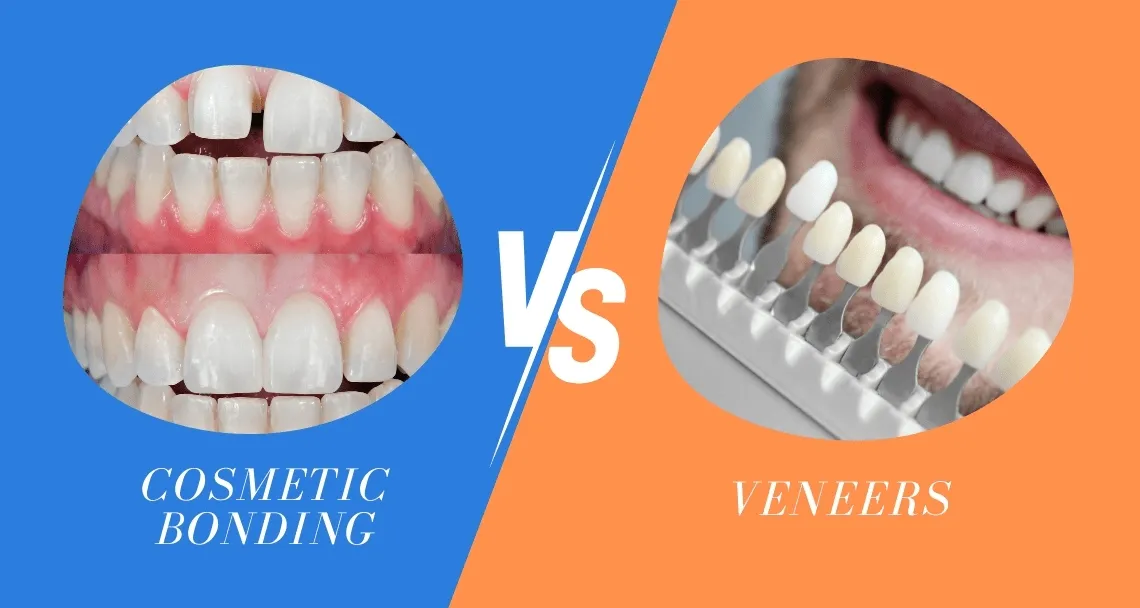
Dental Bonding vs Veneers | Pros, Cons, Costs ExplainedCompare dental bonding and veneers to understand their benefits, drawbacks, costs, and which cosmetic dental option is right for your smile.

February 08, 2025

January 28, 2025

January 10, 2025

January 05, 2025

January 01, 2025
